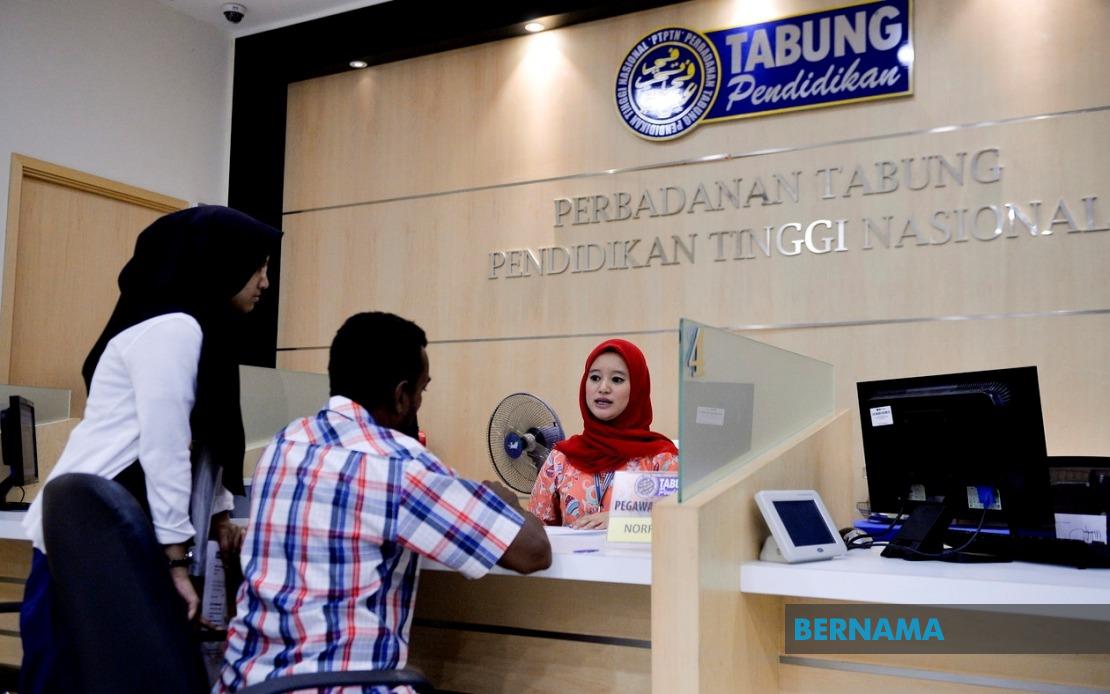
The Women's Wing of Parti Keadilan Rakyat has called on the government to fundamentally restructure how the National Higher Education Fund Corporation operates, specifically targeting the punitive fees and bureaucratic obstacles that have compounded the financial struggles of student loan borrowers across the country. Speaking through her executive committee member Karen Kasturi on July 15, PKR Wanita has positioned itself as an advocate for the thousands of Malaysians caught in a system that, it argues, prioritises debt recovery over borrower welfare.
The centrepiece of the appeal is a straightforward demand: eliminate the 15 per cent debt collection agency fee that is currently imposed on borrowers whose accounts have been referred to external agencies. This fee, according to Kasturi, represents a particularly egregious burden because it is layered atop other demands already placed on struggling borrowers, many of whom have been instructed to pay lump sums amounting to half their outstanding balance. The cumulative effect transforms what should be a pathway to financial recovery into an increasingly insurmountable obstacle.
What makes this intervention noteworthy is its timing and focus. Prime Minister Datuk Seri Anwar Ibrahim recently indicated, during his Question Time in the Dewan Rakyat, that the government would explore whether the PTPTN itself should be abolished entirely following discussions raised during the Johor state election campaign. This broader policy reconsideration prompted PKR Wanita to shift the conversation toward immediate, implementable reforms that would benefit current borrowers rather than waiting for a wholesale overhaul that may take months or years to materialise.
Kasturi's statement reveals a critical flaw in the current system: a structural confusion about how borrowers should proceed when they wish to restructure their repayments. She describes a pattern whereby borrowers seeking to work with the PTPTN directly are instead redirected to debt collection agencies, creating a perverse incentive structure that punishes compliance. Borrowers who attempt to be responsible by contacting the PTPTN proactively find themselves trapped in a process they did not choose, complete with fees they were not clearly informed about and without the option to negotiate terms directly with the original lender.
This procedural opacity has particularly damaging consequences for borrowers from lower-income households. PKR Wanita explicitly calls attention to those from the B40 and M40 income groups, suggesting that these demographics face disproportionate hardship under the current system. The argument carries weight in Malaysia's context, where student loan burdens have become increasingly correlated with socioeconomic outcomes. For many graduates from disadvantaged backgrounds, the PTPTN was intended as an equalising tool—a means of accessing higher education that would otherwise remain financially out of reach. When the repayment system itself becomes a barrier to economic stability, the original promise of social mobility is undermined.
A secondary concern raised by Kasturi involves the Employees Provident Fund, Malaysia's mandatory retirement savings scheme. When borrowers' EPF contributions are directed toward PTPTN repayment, the intermediary charges—most significantly the debt collection agency fees—reduce the net amount actually applied to loan principal. This mechanism effectively uses retirement savings as collateral for debt collection profits, a dynamic that few borrowers may fully understand when they authorise such arrangements.
The substantive reform agenda outlined by PKR Wanita encompasses several elements. Most immediately, the abolition of the 15 per cent fee would provide direct relief. Beyond this, enabling borrowers to negotiate directly with the PTPTN rather than through agencies would restore what might be called the relational dimension of lending—the possibility that a creditor and debtor, operating in good faith, might reach mutually acceptable terms. The call for more flexible restructuring options reflects recognition that borrowers' circumstances vary widely and that a one-size-fits-all approach fails to account for temporary hardship versus chronic inability to pay.
Kasturi's framing of borrowers as Malaysians deserving dignity and support, rather than merely as debtors requiring punishment, represents a philosophical pivot from how such discussions have often been conducted. By emphasising that these individuals were given opportunities to pursue education on behalf of national development, she reframes the PTPTN not as a collection problem but as an investment in human capital that has, in some cases, failed to deliver proportional economic returns. The implication is that borrowers bearing the burden of education inflation, wage stagnation, and rising living costs warrant policy consideration rather than aggressive recovery tactics.
The government's willingness to discuss PTPTN abolition, as signalled by Prime Minister Anwar Ibrahim, suggests receptiveness to fundamental reform. However, PKR Wanita's intervention usefully translates this high-level openness into concrete, implementable changes that do not require waiting for a complete institutional overhaul. These reforms would address what Kasturi identifies as immediate, pressing concerns while longer-term policy questions are debated. By emphasising the inconsistency between official encouragement of borrowers to negotiate and the reality of referral to debt collectors, she highlights a governance problem that could be resolved through administrative clarification and policy change without legislative delay.
The question now facing the Ministry of Higher Education, under Datuk Seri Dr Zambry Abd Kadir, is whether the government will adopt these incremental reforms while considering broader structural changes. The political calculation is complex: the PTPTN has become a focal point for frustration among younger voters and those contending with precarious finances, yet it remains an essential funding mechanism for Malaysia's higher education system. Any solution must balance the needs of future borrowers with the immediate circumstances of those already trapped in repayment cycles.
PKR Wanita's advocacy also carries implicit pressure on the government to move decisively. By framing the current system as fundamentally unjust and suggesting that genuine reform begins with listening to existing borrowers, the party is positioning itself as attuned to grassroots concerns. The expectation, articulated clearly, is that reforms should commence without delay, not be indefinitely postponed in favour of comprehensive policy reviews. Whether this pressure translates into concrete action will be a significant indicator of the government's commitment to addressing what has become one of Malaysia's most persistent education finance challenges.

