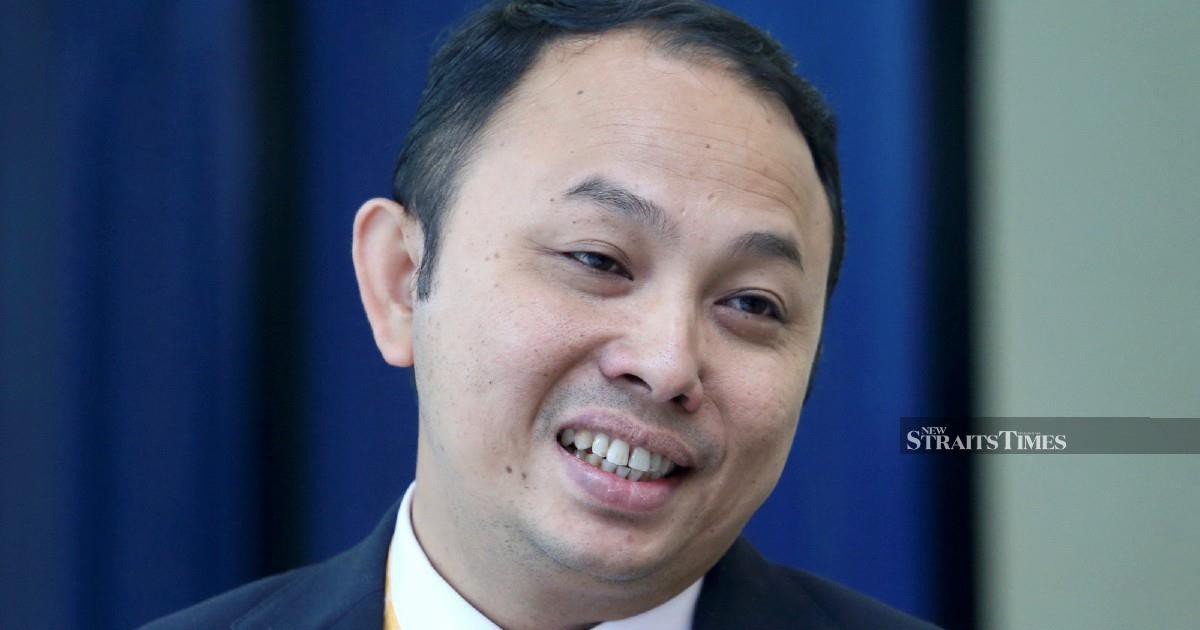
Generasi Keadilan, a faction within the People's Justice Party (PKR), has issued a pointed call for party members to maintain integrity when presenting the electorate's grievances to Prime Minister Datuk Seri Anwar Ibrahim. Speaking at an event in Ayer Keroh, the group emphasised that authentic party commitment should extend beyond mere cheerleading and obedience, encompassing instead the fortitude to express valid concerns when the situation demands it.
The statement reflects growing tensions within PKR regarding how the party's grassroots membership relates to the premier and his administration. Generasi Keadilan's intervention suggests that some within the party believe existing channels for feedback may be constrained or that members feel reluctant to articulate dissenting viewpoints. This concern is particularly relevant given PKR's crucial position within the current federal coalition under PM Anwar's leadership, where the party functions as both a governing force and a grassroots movement that must maintain credibility with ordinary Malaysians.
The faction's emphasis on "genuine loyalty" carries significant weight in Malaysian political discourse. Loyalty in Malaysia's party structures is often conflated with unquestioning obedience, yet Generasi Keadilan is attempting to reframe this concept. By suggesting that true support for leadership includes the willingness to voice legitimate concerns, the group is articulating a vision of party culture that prioritises the welfare of constituents over internal hierarchy. This distinction matters considerably in a context where politicians frequently face criticism for becoming detached from voter priorities once they assume office.
PKR's internal dynamics have evolved considerably since Anwar Ibrahim assumed the premiership in November 2022. The party has had to navigate the complexities of wielding executive power while simultaneously maintaining its identity as a reform-oriented political force. Members now occupy ministerial positions, parliamentary seats, and administrative roles across multiple government levels, creating potential conflicts between their responsibilities to the public and pressures from within party structures. Generasi Keadilan's call essentially addresses this tension head-on, suggesting that members should prioritise constituent welfare.
The timing of this statement is noteworthy, arriving at a moment when Malaysian voters across the federation are grappling with economic pressures, cost-of-living challenges, and varied expectations regarding government performance. Public confidence in political institutions remains variable, and perceptions that elected representatives have lost touch with ordinary concerns can rapidly erode support. Generasi Keadilan's intervention suggests the faction believes PKR members possess genuine constituency feedback that may not be reaching senior leadership through normal party channels or government mechanisms.
For PKR members themselves, the message from Generasi Keadilan effectively provides permission to engage in constructive criticism without fear of being branded as disloyal or factious. In hierarchical political environments, this permission carries considerable psychological weight. Members who have hesitated to raise issues fearing retribution or marginalisation may now feel emboldened to contribute their perspectives, knowing that doing so aligns with authentic party values rather than contravening them. This could potentially strengthen internal party discourse and decision-making processes.
The broader implications for Malaysian politics warrant examination as well. If PKR members do become more vocal about public concerns, this could either strengthen the coalition's responsiveness to voter needs or generate visible internal discord that opposition parties might exploit. The trajectory will likely depend on how party leadership receives and responds to such feedback. Should senior figures welcome candid input, the exercise could enhance governance effectiveness. Conversely, if senior members view such input as disloyalty, it could deepen internal fractures that already exist within Malaysia's governing coalition.
Generasi Keadilan has established itself as a significant voice within PKR, particularly among younger members and those concerned with upholding the party's original reform credentials. The faction's intervention in this matter reflects broader questions about how governing parties in Malaysia maintain their legitimacy and responsiveness once they transition from opposition to power. These questions are not unique to PKR; they affect all governing coalitions and represent enduring challenges in Malaysian democracy.
The call also resonates with international trends regarding internal party democracy and member engagement. Political scientists increasingly recognise that parties maintaining vibrant internal debate and permitting grassroots voices tend to demonstrate greater resilience and public credibility than those characterised by rigid hierarchies and suppressed dissent. Generasi Keadilan's statement implicitly aligns PKR with this democratic principle, suggesting that the party's strength ultimately derives from member commitment grounded in genuine representation rather than enforced conformity.
Moving forward, the practical application of Generasi Keadilan's exhortation will be illuminating. Whether PKR members actually intensify their communication of constituent concerns to Prime Minister Anwar Ibrahim, and whether such communication generates measurable policy adjustments, will determine whether this call represents meaningful advocacy for internal democratic reform or merely aspirational rhetoric. The coming months will likely reveal whether this faction's intervention catalyses substantive cultural change within PKR regarding how feedback flows through party structures.

