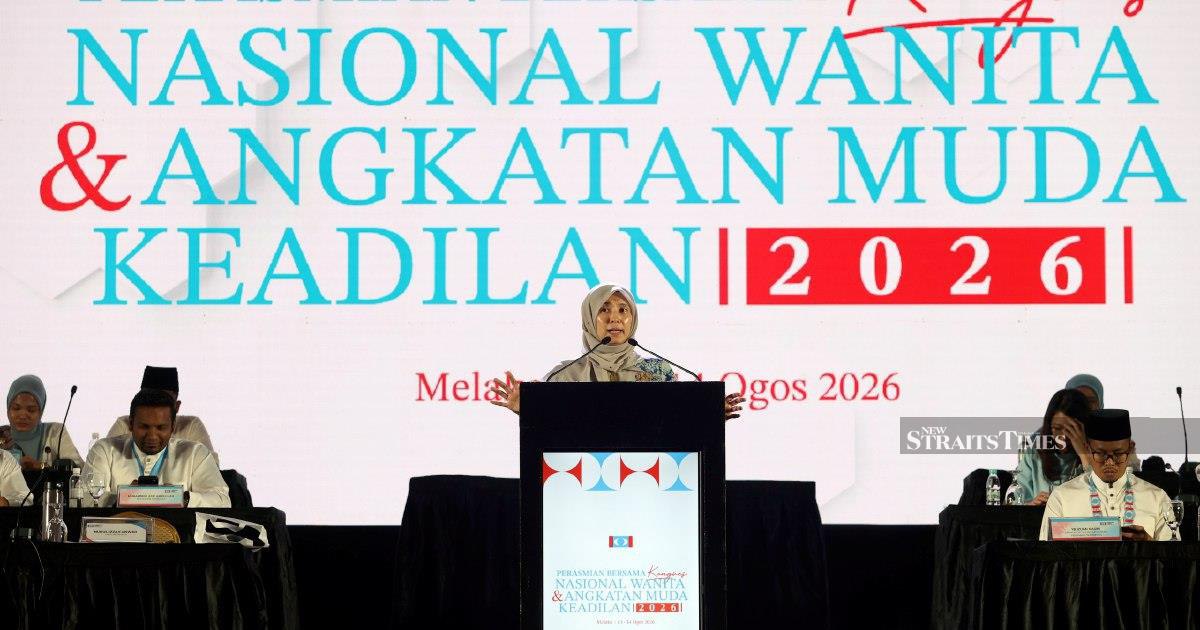
Speaking at an event in Ayer Keroh, PKR deputy president Nurul Izzah Anwar has urged the party to establish unmistakable ethical parameters that would prevent political pragmatism from becoming a cover for institutional misconduct. Her remarks come at a time when Malaysian political coalitions face mounting scrutiny over how their members balance ideological commitments with the realities of governing consensus across competing factions and interests.
Nurul Izzah's intervention signals a growing concern within PKR's leadership about maintaining the party's foundational principles as it navigates complex coalition politics. Since the reformasi movement's inception, PKR has positioned itself as an advocate for institutional accountability and democratic reform—principles that risk erosion if political expediency consistently trumps ethical considerations in decision-making processes.
The deputy president's statement addresses a persistent tension within Malaysian politics. Coalition governments often require compromises that can be difficult to reconcile with campaign promises or stated party values. However, Nurul Izzah's framing distinguishes between reasonable political negotiation and the kind of compromise that actively enables corruption or governance failures. This distinction matters because it sets an operational standard: some concessions may be acceptable within normal political discourse, but others cross into territory where party integrity becomes compromised.
For PKR specifically, this intervention carries particular weight given the party's historical role as a political opposition force that built legitimacy partly through anti-corruption messaging. The transition from opposition politics to coalition governance requires recalibrating how the party applies those principles without abandoning them entirely. Nurul Izzah's call for clearly defined red lines suggests she recognises the risk of gradual ethical drift if boundaries remain ambiguous.
The broader Malaysian context makes this statement timely. Across Southeast Asia, political parties struggle with similar challenges as they move between opposition and government roles. The region has witnessed numerous instances where incoming reformist governments faced accusations of abandoning anti-corruption platforms once in power. Clear institutional guidelines—the kind Nurul Izzah advocates—can help insulate parties against such criticisms by providing objective criteria for evaluating difficult decisions.
PKR's position within current coalitions amplifies the relevance of these concerns. As part of broader governing arrangements, the party must coordinate with other stakeholders whose priorities may not always align with its stated values. This structural reality creates pressure points where compromise becomes inevitable. However, Nurul Izzah's emphasis on establishing advance boundaries suggests that PKR can prepare itself to navigate these pressures while maintaining core principles intact.
The concept of political "red lines" has become increasingly important in Malaysian discourse as stakeholders demand greater clarity about what compromises various parties will or will not accept. By publicly advocating for such boundaries, Nurul Izzah invites both internal discussion within PKR about where those lines should be drawn and external accountability once they are established. This transparency can serve as a check against the gradual normalisation of ethically questionable decisions.
Demanding that political compromise never shield corrupt practices or abuse of power addresses a specific governance failure pattern observed in Malaysian politics. Historically, officials have sometimes justified controversial actions by citing coalition necessities or the need for political stability. Nurul Izzah's framing rejects this justification by clarifying that institutional integrity cannot be sacrificed on the altar of political convenience, regardless of external pressures.
The timing of this statement also reflects internal PKR dynamics. As Malaysia's political landscape shifts and various coalitions test their durability, party members may experience uncertainty about which political moves remain consistent with PKR's identity and mission. Nurul Izzah's clarion call for established guidelines provides members with concrete reference points for evaluating leadership decisions and holding the party accountable to its principles.
Moving forward, how PKR operationalises these red lines will matter significantly. Establishing them requires difficult conversations about priorities and tolerance thresholds. It also demands mechanisms to enforce them when actual political situations test whether the party will uphold stated boundaries or abandon them when circumstances become complicated. Without such enforcement mechanisms, red lines risk becoming rhetorical flourishes rather than operational guidelines.
For Malaysian voters and civil society organisations focused on governance quality, Nurul Izzah's intervention offers an opportunity to press PKR and other parties for specificity. Rather than accepting vague commitments to ethics and accountability, stakeholders can demand that parties articulate concrete red lines and establish transparent processes for ensuring compliance. This approach transforms abstract principles into measurable standards against which political performance can be evaluated.
The statement also resonates with broader Southeast Asian discussions about how political parties can maintain reform credentials while exercising governing responsibility. Countries across the region have experienced cycles where reform movements enter government with strong anti-corruption mandates, then gradually moderate their positions as they confront the complexities of actual governance. Nurul Izzah's emphasis on predefined boundaries suggests an alternative path where principled compromise remains possible without abandoning institutional integrity.

