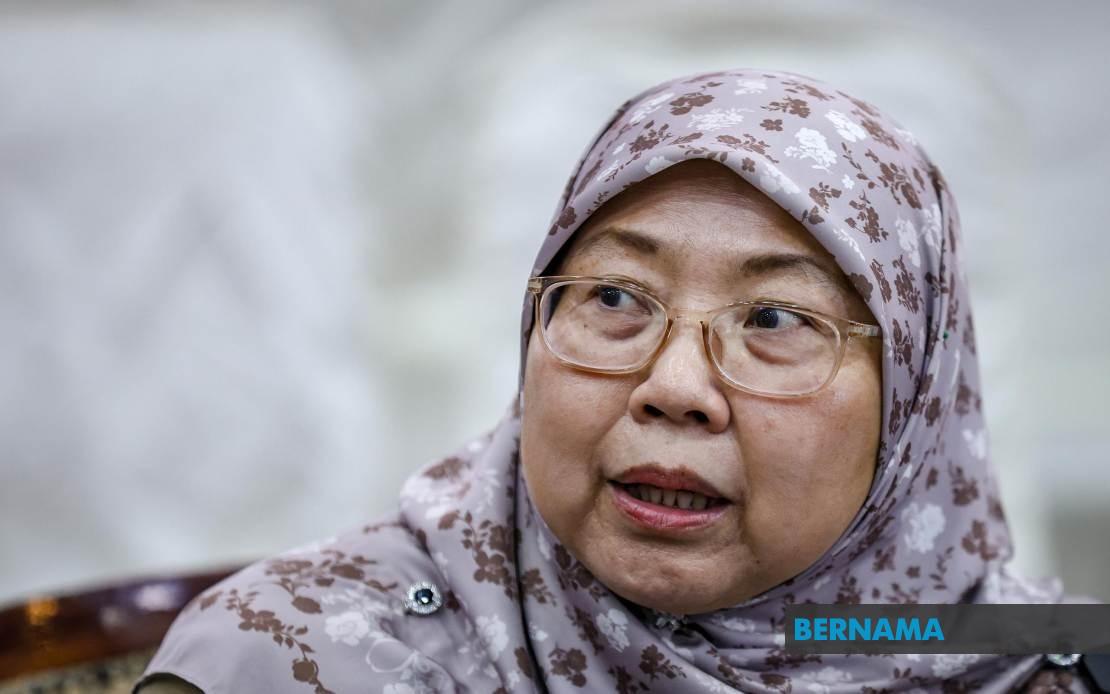
Parti Keadilan Rakyat (PKR) moved swiftly to dismiss speculation about businessman Datuk Seri Nicky Liow Soon Hee's membership status after claims surfaced on social media platforms, with party secretary-general Datuk Dr Fuziah Salleh confirming through official channels that the entrepreneur holds no affiliation with the political party.
The clarification came after an image circulated online showing Liow dressed in apparel bearing the Angkalan Muda Keadilan (AMK) insignia, sparking public conjecture that he maintained formal party standing. Such visual evidence on social media often triggers assumptions about political alignment, particularly when individuals are photographed in partisan attire, underscoring how easily misinformation can proliferate in the digital sphere.
PKR's verification process involved systematically checking the KEADILAN Membership System, the party's official database designed to maintain accurate records of enrolled members. The comprehensive review revealed no evidence that Liow had ever formally applied to join the party ranks, providing categorical documentation of his non-membership status. This transparency in verifying claims against institutional records represents a standard governance practice among Malaysian political organisations seeking to counteract false attributions.
The situation reflects the broader challenge Malaysian political parties face in managing their public image when individuals associated with controversial activities are mistakenly linked to their organisations. Such associations can damage reputational standing, particularly when the individuals in question face serious legal difficulties that might otherwise taint the party's credibility.
Liow's legal predicament adds significant context to why PKR deemed it necessary to issue an immediate and unambiguous statement. The businessman has faced charges in the Shah Alam Sessions Court concerning his alleged involvement with the "Nicky Gang," an organised crime syndicate reportedly engaged in illegal activities. Additionally, he confronts money laundering allegations, which represent serious criminal matters under Malaysian law.
The intersection of Liow's criminal proceedings and his apparent association with PKR imagery illustrates the reputational risks parties encounter when their visual branding becomes attached to individuals subsequently connected with organized crime investigations. Political organisations must protect their institutional credibility by clearly demarcating boundaries between formal membership and casual association or misidentification.
This incident also highlights the vulnerability of political institutions to misinformation campaigns, whether intentional or accidental. The rapid spread of the photograph across social media platforms demonstrates how quickly unverified claims can gain traction, potentially creating lasting damage to party reputation if left unaddressed. PKR's proactive approach in issuing a formal denial through its secretary-general represents a defensive strategy increasingly adopted by Malaysian political entities confronting social media-driven rumours.
For Malaysian observers, the case underscores the importance of distinguishing between formal party membership and incidental association with party materials or imagery. Individuals photographed wearing political party merchandise or attending public events do not necessarily maintain official member status, yet public perception often conflates appearance with affiliation. The distinction carries particular weight in Malaysian political discourse, where factional divisions and party loyalty remain highly sensitive topics.
The implications for PKR extend beyond mere clarification of membership records. In Malaysia's competitive political landscape, where party coalitions and internal cohesion directly influence electoral performance and governance capacity, any suggestion that significant figures with criminal entanglements hold party standing could undermine organisational integrity. Political parties must therefore maintain meticulous membership verification systems and communicate clearly when such questions arise.
From a broader perspective, this incident reflects the evolving relationship between Malaysian political institutions and digital communication platforms. As social media continues reshaping how political information circulates, traditional party structures must adapt by implementing rapid response mechanisms to counter misattributions. The speed of PKR's response demonstrates institutional awareness of the damage uncontested false claims can inflict on political standing.
The case also carries lessons for civil society and media observers in Malaysia regarding verification practices. Before amplifying claims about political affiliations, particularly those supported only by photographic evidence, stakeholders should seek official confirmation from party authorities. Such disciplined information practices would reduce the proliferation of false narratives that ultimately undermine public trust in both political institutions and information sources themselves.
Moving forward, the Liow situation may prompt Malaysian political parties to implement clearer communication strategies regarding their visual branding and public representation. Establishing protocols for addressing misattributions swiftly and transparently could become standard practice across Malaysia's political landscape, contributing to more robust information ecosystems where official positions receive emphasis over viral speculation.

