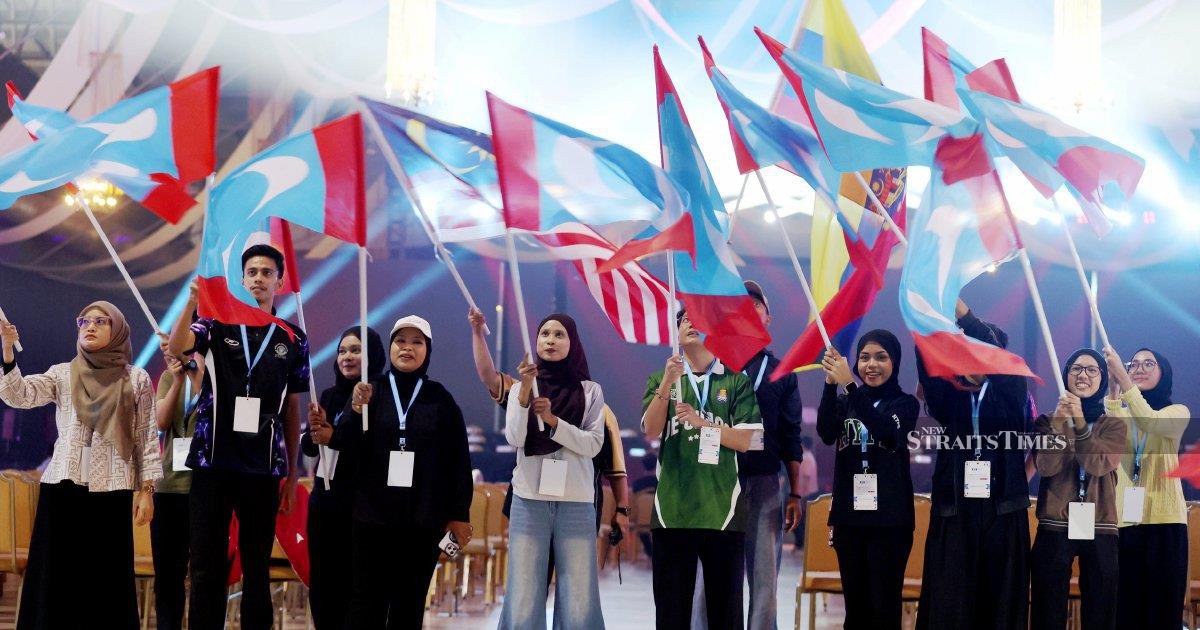
PKR is holding its annual congress at the Melaka International Trade Centre in Ayer Keroh during a particularly turbulent period for the party, with delegates arriving to address the fallout from recent electoral disappointments and the escalating friction between competing factions within the organization.
The timing of the gathering is significant, coming in the aftermath of the party's performance in the Johor and Negri Sembilan elections, where PKR failed to achieve the results its leadership had targeted. These electoral contests served as a barometer of public sentiment, and the outcomes have intensified questions about the party's direction and electoral viability in key states. For a party that once held considerable sway in Malaysian politics, particularly following its role in the 2018 general election victory, these recent setbacks represent a marked reversal in fortunes.
Beyond the electoral dimension, PKR is navigating a complex period of internal contestation that has become increasingly difficult to contain. Multiple power centres within the party have begun articulating divergent visions for leadership and policy direction, creating an atmosphere of uncertainty among grassroots members and observers alike. The visibility of these tensions has grown to the point where they cannot be dismissed as mere administrative squabbles, and many party insiders recognize that how these rifts are managed at the congress will substantially influence PKR's trajectory in coming months.
The convergence of these challenges presents a test of the party's institutional resilience. Congress gatherings traditionally serve as moments of collective reflection and renewal, where parties can reset narratives and realign their membership around shared objectives. For PKR, this congress must accomplish multiple objectives simultaneously: acknowledging the electoral disappointments without demoralizing the grassroots, addressing leadership questions without deepening divisions, and charting a credible path forward that can restore momentum ahead of future contests.
Electoral defeats, while sobering, are not unprecedented in Malaysian politics and can be recovered from with effective strategy and unity. However, they become more consequential when combined with internal discord. When party members sense that leadership attention is divided between fighting external opponents and managing internal rivals, confidence erodes. The Johor and Negri Sembilan results therefore carry symbolic weight beyond the actual number of seats lost, signalling to supporters and political observers that PKR may lack the cohesion necessary to compete effectively in the current political environment.
For Malaysian political observers, the state of PKR's internal health matters significantly. The party remains a component of the federal coalition government and maintains representation in Parliament and several state assemblies. How PKR stabilizes itself will influence the broader stability of Pakatan Harapan and the ruling configuration at the national level. Any further deterioration in PKR's position could have ripple effects across the coalition's other components and potentially reshape calculations around future electoral contests.
The congress agenda will likely include presentations on electoral post-mortems, discussions about party organization and resource allocation, and potentially contested leadership positions or policy resolutions that reflect the underlying factional divisions. Delegates attending from various states will arrive with their own perspectives on what went wrong and what needs to change, and these voices from the grassroots carry weight in determining how party directions are eventually set.
Southeast Asian political watchers also note that PKR's challenges occur within a broader context of evolving Malaysian political alignments. The party's predicament is not isolated but rather reflects the shifting dynamics within Pakatan Harapan and the realignment of electoral coalitions that have characterized Malaysian politics since 2020. How PKR navigates this congress may influence not only its own prospects but also the broader stability of coalition arrangements that extend beyond party boundaries.
The congress represents a critical juncture. Successfully managed, it could unite the party around a coherent platform and leadership structure that restores confidence among members and voters. Managed poorly, it could entrench factions and further weaken PKR's ability to mount competitive challenges in future elections. The party's delegates enter the Melaka International Trade Centre knowing that their deliberations will be scrutinized not only by internal stakeholders but by the broader Malaysian political community watching to gauge whether PKR can recover from its current difficulties or whether its influence will continue to diminish.

