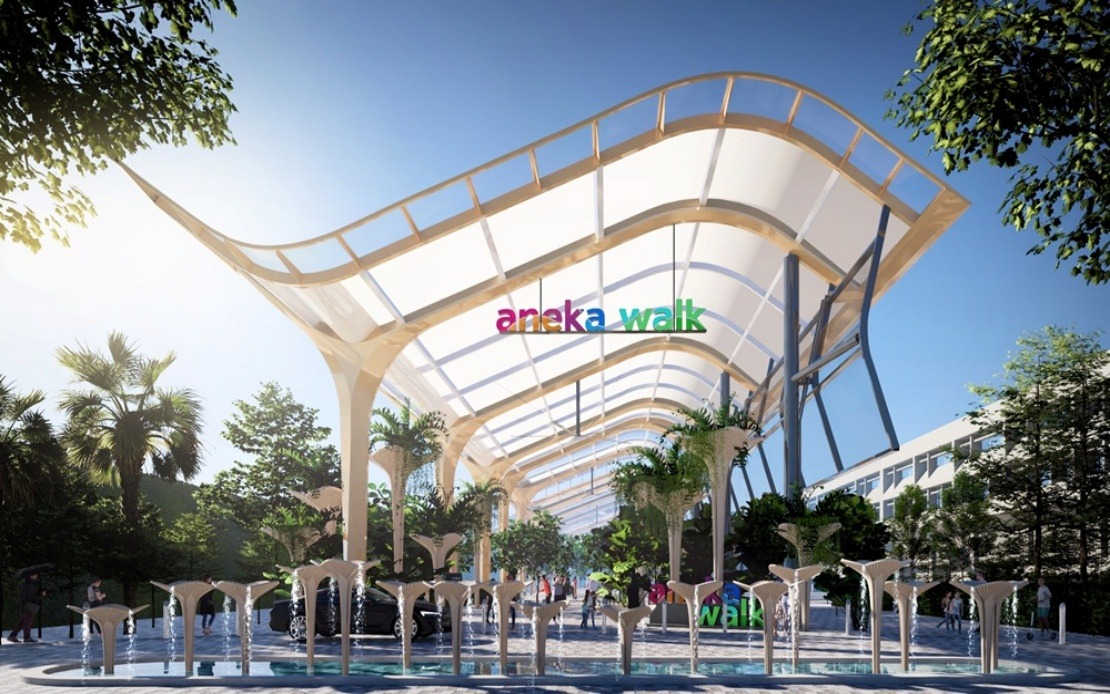
The Selangor State Development Corporation (PKNS) is set to transform Aneka Walk in Shah Alam into a major sporting and entertainment destination on July 19 and 20, when it hosts a mammoth 12-hour screening of the FIFA World Cup 2026 final. Running from 5 pm on July 19 through 5 am on July 20, the PKNS Homes Final World Cup 2026 Mega Live event represents an ambitious attempt to leverage the global football spectacle for urban activation and community building in one of Shah Alam's key commercial precincts.
The event anticipates drawing approximately 1,000 visitors to watch the pinnacle of international football in a curated festival setting. Rather than simply projecting the match, organisers have designed the experience to span multiple dimensions of entertainment and lifestyle consumption. This approach reflects a broader trend among Malaysian property developers and urban authorities to convert passive shopping and commercial spaces into vibrant, multifunctional community gathering points where consumption, entertainment, and social connection intersect.
Co-organised with Selangor FC, the state's professional football club, the screening creates natural synergies between grassroots Malaysian football and the global game. Selangor FC's involvement lends credibility and local sporting authenticity to what could otherwise be perceived as merely a commercial promotional exercise. The partnership underscores how state-level sporting institutions can amplify their presence and relevance by aligning with major international events, even when those events occur in different hemispheres and involve teams in which Malaysia has no direct stake.
The complementary programming throughout the 12-hour window reveals careful consideration of audience diversity and engagement duration. From 5 pm onwards, before the actual match begins at 3 am on July 20, the venue will host e-sports competitions, meet-and-greet sessions featuring Selangor FC players, interactive gaming zones, prize drawings, and food and beverage vendors. This layered entertainment structure acknowledges that sustaining public attendance through a midnight-to-dawn timeframe requires more than a single focal point, necessitating multiple concurrent attractions to maintain interest and circulation throughout the venue.
PKNS explicitly positions the initiative as part of its broader SA Sentral development strategy, which seeks to reposition Aneka Walk as an active, destination-worthy community hub rather than merely a conventional shopping centre. The World Cup screening becomes instrumental in this repositioning, creating a flagship event that generates media coverage, foot traffic, and positive associations with the space. Success in drawing and retaining 1,000 visitors through a gruelling overnight schedule would validate the location's potential as an events venue and lifestyle destination, potentially paving the way for similar activations that extend beyond sporting occasions.
The economic implications for Aneka Walk and surrounding Shah Alam precincts merit consideration. Large-scale events of this magnitude typically generate secondary spending across food, beverages, merchandise, and ancillary services. More substantially, they create conditions for local economic stimulus by encouraging overnight visitation to an area that might otherwise see diminished footfall during late-night hours. For small vendors and service providers operating within or adjacent to Aneka Walk, the guaranteed audience of 1,000 visitors represents tangible commercial opportunity, even accounting for the specialised late-night timing.
Corporate participation in the event extends beyond passive sponsorship into active brand engagement. The statement explicitly notes that companies and strategic partners gain opportunities to establish exhibition booths, conduct promotional activities, and engage directly with gathered audiences. This creates a platform for brands targeting young, sports-conscious, entertainment-seeking demographics—precisely the market segment most likely to venture out for an unconventional, all-night public event. For corporations seeking authentic community connection rather than transactional advertising, such grassroots engagement mechanisms offer valuable alternatives to traditional media buys.
The decision to host the screening despite it occurring at an inconvenient overnight hour demonstrates an intriguing dimension of Malaysian event culture and public engagement. Rather than treating the temporal inconvenience as a barrier, PKNS has reframed it as part of the event's novelty value and appeal. The promise of experiencing a globally momentous occasion in real time, within one's own city and in communal circumstances, appears to justify the disruption to normal sleep schedules for target audiences. This reflects broader patterns wherein Malaysians have demonstrated willingness to participate in unconventional timing for major international sporting events, including the Olympics, World Cups, and continental championships.
The initiative also signals confidence in Aneka Walk's security, infrastructure, and crowd management capabilities to safely accommodate an all-night public gathering. Hosting such events requires reliable lighting, sanitation, safety personnel, vehicle access management, and emergency response coordination. The venue's suitability for such programming suggests PKNS has invested in comprehensive facility upgrades and operational systems that enhance its viability for diverse event formats beyond conventional daytime retail operations.
From a Southeast Asian perspective, PKNS's World Cup screening initiative mirrors similar strategies being pursued across the region's major urban centres. Property developers and municipal authorities increasingly recognise that community activation through sporting and cultural events generates competitive advantages in attracting residents, retailers, and long-term investment. Malaysia's geographic positioning and established event management infrastructure position it well to capture tourist and local interest in World Cup-related activities, particularly given the significant communities of football enthusiasts across the nation.
The success of the PKNS Homes Final World Cup 2026 Mega Live will likely influence future event programming decisions across Selangor's commercial precincts. Should the July 19-20 screening deliver the anticipated attendance, positive visitor experiences, and corporate engagement, PKNS and competitors may accelerate their investment in similar large-scale community events as core components of property management and urban revitalisation strategies. The World Cup final screening thus functions simultaneously as immediate entertainment provision, community service, commercial activation, and strategic validation of new approaches to urban placemaking and destination development.

