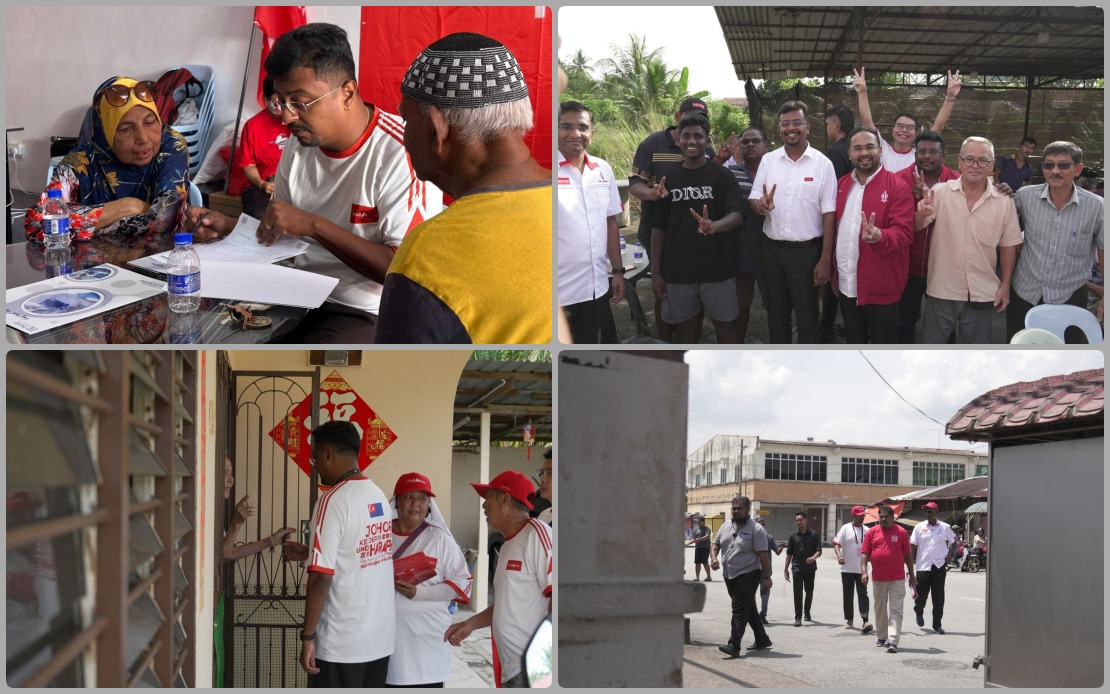
Dr. A. Ruban, the Pakatan Harapan candidate contesting the Paloh state assembly seat in Johor, was admitted to a hospital in Batu Pahat on July 7 for medical intervention following complications from a slipped disc. The hospitalization came as the coalition intensified ground-level activities with just four days remaining before voters head to polling stations, underscoring the physical toll that campaign schedules can impose on candidates, particularly those with pre-existing health conditions.
According to his campaign manager Abdul Majid Abd Aziz, Dr. Ruban experienced acute pain that significantly limited his mobility throughout the morning, necessitating immediate medical attention. The candidate's medical history includes previous spinal surgery, and the recurrence of pain is believed to stem from the rigorous demands placed upon him during the ongoing campaign trail. Abdul Majid indicated that Dr. Ruban had been conducting extensive walkabouts and community engagement activities across the constituency, a physically demanding component of electoral politics that candidates from all parties routinely undertake.
The confluence of fatigue and an unrelenting campaign schedule appears to have aggravated his underlying spinal condition, resulting in symptoms severe enough to warrant hospitalization. Despite the seriousness of the admission, Abdul Majid reassured supporters and observers that Dr. Ruban's condition remained non-critical and that medical professionals anticipated his discharge within one or two days. This timeline, if accurate, would potentially allow the candidate to resume some level of campaign participation before the July 11 polling date, though presumably with modified activity levels.
The timing of this health setback presents both logistical and symbolic challenges for the PH campaign machinery in Paloh. Campaign organizations typically centre their messaging and visibility around the candidate's personal engagement with voters, and an absence from the ground, even temporarily, can create a perception gap that opponents may seek to exploit. The Paloh constituency is hosting a four-way contest, with Dr. Ruban competing against D. Jeevakumar representing Perikatan Nasional, independent candidate G. Kamaleswaren, and incumbent Lee Ting Han from Barisan Nasional, meaning every moment of visibility carries strategic weight in a fragmented field.
To mitigate the impact of his hospitalization, Abdul Majid pledged that the broader PH organizational structure would maintain aggressive community outreach efforts throughout the constituency. He emphasized that Dr. Ruban's policy platform and electoral message would continue circulating among voters through party representatives and campaign workers, even with the candidate temporarily sidelined. This organizational resilience reflects how modern political campaigns have become increasingly institutionalized, with party machinery capable of functioning independently of individual candidate presence, though rarely with equivalent effectiveness.
The incident highlights an often-overlooked dimension of electoral contests: the physical and psychological demands placed on candidates during campaign periods. While campaign finance, messaging strategy, and organizational capacity typically dominate post-election analysis, the health-related challenges that candidates face remain largely invisible to public discourse. Medical emergencies, chronic condition flare-ups, and exhaustion-related incidents occur with sufficient regularity to merit consideration as structural features of campaign environments rather than isolated misfortunes.
For Dr. Ruban, the hospitalization occurred at a particularly sensitive moment, as early voting had commenced on July 7 itself, with the main polling day scheduled for July 11. This compressed timeline meant that any extended absence from campaigning would directly translate into lost opportunities for direct voter engagement during a critical phase. The four-cornered nature of the Paloh contest adds urgency, as marginal gains or losses in visibility can significantly influence outcomes in closely contested races where no candidate enjoys dominant support levels.
The broader implications for the Johor state election extend beyond a single candidate's health crisis. The 2024 Johor election represents a significant political battleground in Malaysia's federal and state political landscape, with the contest demonstrating the fractured nature of Malaysian electoral politics. The presence of independent candidates alongside representatives from Perikatan Nasional, Barisan Nasional, and Pakatan Harapan reflects voter sentiment that has become increasingly volatile and unpredictable across constituencies throughout the peninsula.
The PH's performance in Johor carries particular weight given the state's historical status as a Barisan Nasional stronghold and its substantial electoral significance. Any disruption to the campaign efforts of competitive candidates, whether health-related or otherwise, has cascading effects on the broader coalition's strategic positioning. The party's capacity to maintain momentum and deliver its message across all constituencies while managing the contingencies created by Dr. Ruban's hospitalization will represent an important test of organizational effectiveness.
Looking forward, Dr. Ruban's situation serves as a reminder that Malaysian electoral campaigns, despite their professional veneer and sophisticated organization, remain vulnerable to the human vulnerabilities of their central figures. How parties respond to such challenges, whether through effective delegation of campaign responsibilities or through genuine policy advocacy conducted by organizational structures independent of individual candidates, may ultimately influence electoral outcomes as significantly as traditional metrics of campaign performance. The next four days will determine whether the PH organization in Paloh can effectively compensate for its candidate's medical absence and whether Dr. Ruban's health permits his return to meaningful campaign participation before voters render their verdict.

