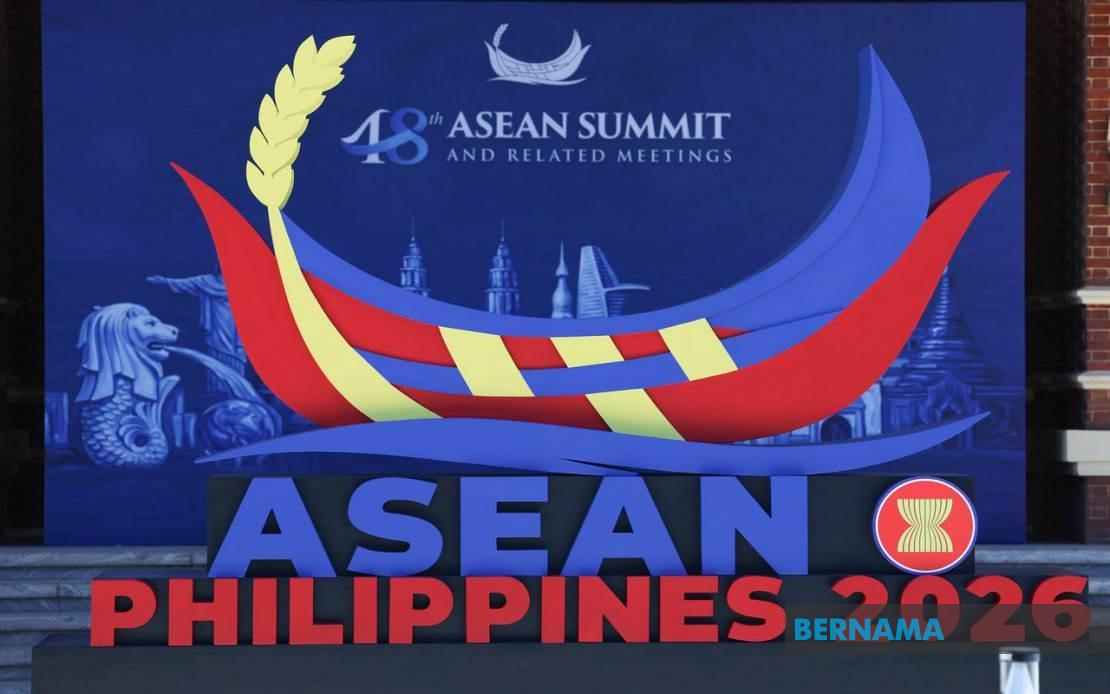
The Philippines will bring together Myanmar's government and fellow ASEAN members for a significant diplomatic engagement in Bangkok this weekend, underscoring the regional bloc's continued efforts to maintain dialogue with the coup-affected nation. As current ASEAN chair, Manila has organised an informal consultation on July 12 between Myanmar's Foreign Minister U Tin Maung Swe and the association's foreign ministers, representing the first face-to-face meeting of this kind since the Myanmar military's takeover in February 2021.
This diplomatic initiative carries considerable weight for Southeast Asia's most influential multilateral body, which has struggled to balance its foundational principle of non-interference with mounting international pressure over Myanmar's humanitarian crisis and political instability. The decision to proceed with the Bangkok talks reflects ASEAN's commitment to the so-called Five-Point Consensus, an agreement reached in April 2021 that sought to chart a pathway for Myanmar's return to democratic governance through dialogue, ceasefire measures, and humanitarian access.
The format of the meeting—informal rather than formal—signals a pragmatic approach designed to facilitate candid discussions while respecting Myanmar's status as a full ASEAN member. According to the Philippine Department of Foreign Affairs, the gathering will provide an opportunity for U Tin Maung Swe to brief the assembled foreign ministers on the current situation within Myanmar, where ongoing civil conflict has displaced hundreds of thousands and prompted regional humanitarian concerns that cannot be ignored.
The agenda encompasses several critical dimensions of Myanmar's crisis. Foreign ministers are expected to hear from Myanmar's representative regarding security developments and the state of internal conflict, while simultaneously presenting ASEAN's perspective on how the junta might address the concerns outlined in the Five-Point Consensus. These concerns centre on halting armed violence, fostering constructive negotiations among Myanmar's fractious political factions, and enabling the delivery of humanitarian assistance to affected populations throughout the country.
For Malaysia and other Southeast Asian nations, the stakes in Myanmar's trajectory remain elevated. The protracted conflict has created instability that ripples across the region, affecting cross-border refugee flows, disrupting commerce, and complicating ASEAN's collective standing on human rights and democratic governance. Myanmar's internal strife also tests whether ASEAN can meaningfully influence member states through consensus-building and dialogue rather than coercive mechanisms that would violate its charter principles.
The decision to convene these talks also reflects directives issued at the 48th ASEAN Summit held in Cebu, where regional leaders instructed their foreign ministers to maintain what was characterised as "constructive and principled engagement" with Myanmar. This formulation represents a delicate linguistic balance—acknowledging the junta's legitimacy as a government representative while maintaining that such engagement must remain conditional on demonstrated progress toward the Five-Point Consensus objectives.
Since Myanmar's coup, ASEAN has faced criticism from both directions: some international observers argue the bloc has been insufficiently firm, while Myanmar's military leadership has occasionally questioned the relevance of ASEAN pressure on internal matters. The Bangkok meeting represents an attempt to thread this needle, keeping Myanmar at the table and within ASEAN's institutional framework while offering the junta an opportunity to demonstrate responsiveness to regional concerns, however limited such responsiveness has proven in practice.
The informal nature of Sunday's consultation carries tactical significance. Informal sessions provide space for more candid exchanges than formal ministerial meetings, potentially allowing participants to explore positions and concerns without the constraints of formal statements and official protocols. For Myanmar's delegation, the setting may offer a less adversarial environment to articulate the junta's perspective on security operations against armed opposition groups and its approach to governance.
Meanwhile, the gathering reflects deeper questions about ASEAN's role in Southeast Asia during periods of major internal crises affecting member states. The bloc's doctrine of non-interference has traditionally meant that internal affairs remain beyond ASEAN's legitimate purview, yet the scale and character of Myanmar's humanitarian emergency have created pressure for more substantive regional action. How ASEAN balances these competing imperatives will partly be tested through mechanisms like the Bangkok talks, where dialogue continues even as concrete outcomes remain elusive.
For regional observers and international stakeholders monitoring Myanmar's trajectory, the Philippines-convened meeting offers a window into ASEAN's current strategic thinking. The fact that direct ministerial engagement is proceeding suggests the bloc remains committed to inclusion rather than isolation, though it also indicates that previous ASEAN statements and the Five-Point Consensus have failed to catalyse sufficient change in Myanmar's governance or conflict dynamics. The Bangkok discussions will reveal whether this approach can generate meaningful movement on humanitarian access, violence reduction, or dialogue mechanisms in the months ahead.

