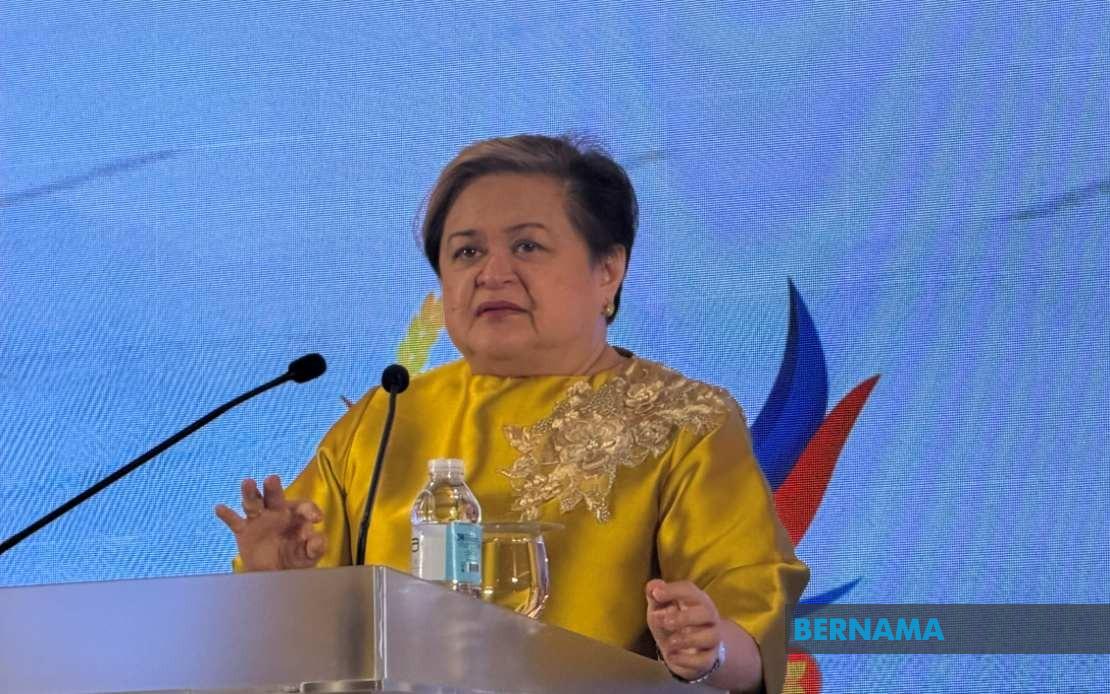
The Philippines has sounded an urgent call for ASEAN to substantially improve the resilience of its vital maritime corridors, particularly the Strait of Malacca and the South China Sea, as part of a broader effort to protect regional trade flows and energy security in an increasingly unstable geopolitical environment. Speaking to Malaysian media, Philippine Foreign Affairs Secretary Ma. Theresa P. Lazaro emphasised that the recent disruptions affecting the Strait of Hormuz have provided a cautionary lesson about how vulnerable global commerce remains to external shocks, with consequences that reverberate far beyond the immediate crisis zone.
The most pressing concern for Southeast Asia, according to Lazaro, is the region's intricate interdependence within global supply networks. Because ASEAN economies are so thoroughly woven into worldwide trading systems, any significant disruption to shipping lanes or logistics infrastructure poses a direct threat to economic stability across the bloc. The consequences extend beyond theoretical economic models into tangible impacts: rising energy prices, inflationary pressures, compromised food security, and the potential collapse of just-in-time manufacturing networks that many regional industries depend upon. Companies operating across ASEAN face mounting risks of production delays, escalating operational expenses, and diminished competitive positioning should major maritime routes become unstable or unsafe.
Lazaro articulated a comprehensive vision for how ASEAN should respond to these mounting pressures. Rather than reactive crisis management, she advocated for a forward-looking strategy anchored in practical multilateral cooperation. This includes maintaining the freedom of navigation through critical sea lanes, substantially upgrading supply chain defences through diversification and redundancy, strengthening collective energy security frameworks, protecting food security mechanisms, streamlining trade procedures, and improving regional infrastructure connectivity. The underlying principle is that a resilient ASEAN requires multiple layers of protection rather than reliance on any single protective mechanism.
A particularly innovative element of the Philippine proposal involves establishing enhanced communication and coordination structures specifically designed for rapid crisis response. Lazaro has advocated for formal crisis communication protocols operating at the foreign ministers' level, mechanisms that would enable ASEAN member states to communicate swiftly and align their responses when emergencies unfold. She raised this proposal during the Special ASEAN Foreign Ministers' Meeting addressing the situation in West Asia, framing it as essential infrastructure for collective security. Without such protocols, individual nations may respond ad hoc, creating confusion and potentially conflicting approaches that undermine regional stability.
Complementing formal diplomatic channels, the Philippines has also championed expanded technical cooperation among ASEAN members, emphasising the critical value of information-sharing and early warning systems. These tools would allow the bloc to anticipate potential crises before they fully materialise, creating opportunities for preventative diplomacy and coordinated mitigation strategies. The philosophy here reflects a shift from damage control toward preventative engagement, where transparency and predictability serve as stabilising forces in international commerce.
Lazaro underscored how openness and institutional transparency directly strengthen market confidence in ASEAN's trading environment. When businesses and trading partners perceive that maritime routes remain secure, that communication between governments is reliable, and that information flows freely, they demonstrate greater willingness to invest in regional supply chains and maintain commercial commitments. Conversely, opacity and unpredictability breed caution and capital flight. The policy recommendations therefore serve both security and economic efficiency objectives simultaneously.
As a concrete manifestation of its maritime security commitment, the Philippines has designated the establishment of an ASEAN Maritime Centre as a flagship deliverable under its 2026 ASEAN Chairship. This institution would serve as a dedicated hub for coordinating ASEAN and ASEAN-led multilateral mechanisms addressing maritime challenges, ranging from piracy and environmental protection to territorial dispute management and maritime law enforcement. The centre represents institutional architecture designed to sustain cooperation beyond any individual diplomatic initiative or annual rotating chairmanship.
The Maritime Centre's mandate extends beyond narrow security concerns to encompass cross-sectoral and cross-pillar collaboration, reflecting recognition that maritime issues intersect with environmental policy, economic development, defence coordination, and diplomatic engagement. By creating a permanent institutional space for sustained dialogue and cooperation, the centre would facilitate the kind of routine, normalised cooperation that builds trust and establishes precedent for handling more contentious issues. The centre would also provide professional staffing and technical expertise that individual foreign ministries might struggle to maintain in-house.
For Malaysian readers and policymakers, the Philippine initiative carries particular significance given Malaysia's central position within ASEAN's maritime infrastructure. The Strait of Malacca, one of the world's most critical shipping chokepoints, passes directly through Malaysian territory, making the country a natural stakeholder in any ASEAN maritime security framework. Malaysia's experience managing one of the world's busiest maritime corridors provides both valuable expertise and direct interest in strengthening regional coordination mechanisms. The Strait handles approximately one-quarter of global maritime trade, meaning disruptions would generate immediate consequences for Malaysia's ports, shipping industries, and broader economy.
The geopolitical context underlying these maritime security concerns reflects deeper anxieties about great power competition in Southeast Asia. While not explicitly naming China or other major powers, the emphasis on maintaining open sea lanes and preventing disruption implicitly references concerns about potential blockades or control of critical waterways. ASEAN's commitment to open, neutral maritime corridors operates as a counterweight to any single power's ability to dominate regional trade. The Philippines' proposal therefore addresses both practical supply chain concerns and the more fundamental issue of regional autonomy and freedom of action.
The timing of the Philippine push also reflects the accelerating pace of global disruptions. Beyond the Strait of Hormuz incident, ASEAN has witnessed heightened tensions in the South China Sea, ongoing Houthi attacks on shipping in the Red Sea, and climate-related disruptions affecting traditional maritime routes. Taken together, these incidents demonstrate that maritime insecurity represents a persistent, multifaceted challenge rather than isolated events. ASEAN's response must therefore be systematic and sustained rather than episodic.
Looking forward, the success of these initiatives depends significantly on whether ASEAN member states can move from rhetorical commitment to substantive resource allocation. Establishing the Maritime Centre requires funding, staffing, and institutional buy-in from all ASEAN members. Developing crisis communication protocols requires standardising procedures across governments with varying bureaucratic cultures and security concerns. Building early warning capabilities demands investment in technology infrastructure and intelligence-sharing mechanisms that some nations may view with caution. These practical implementation challenges will ultimately determine whether the Philippines' maritime security agenda translates into concrete improvements in regional resilience.

