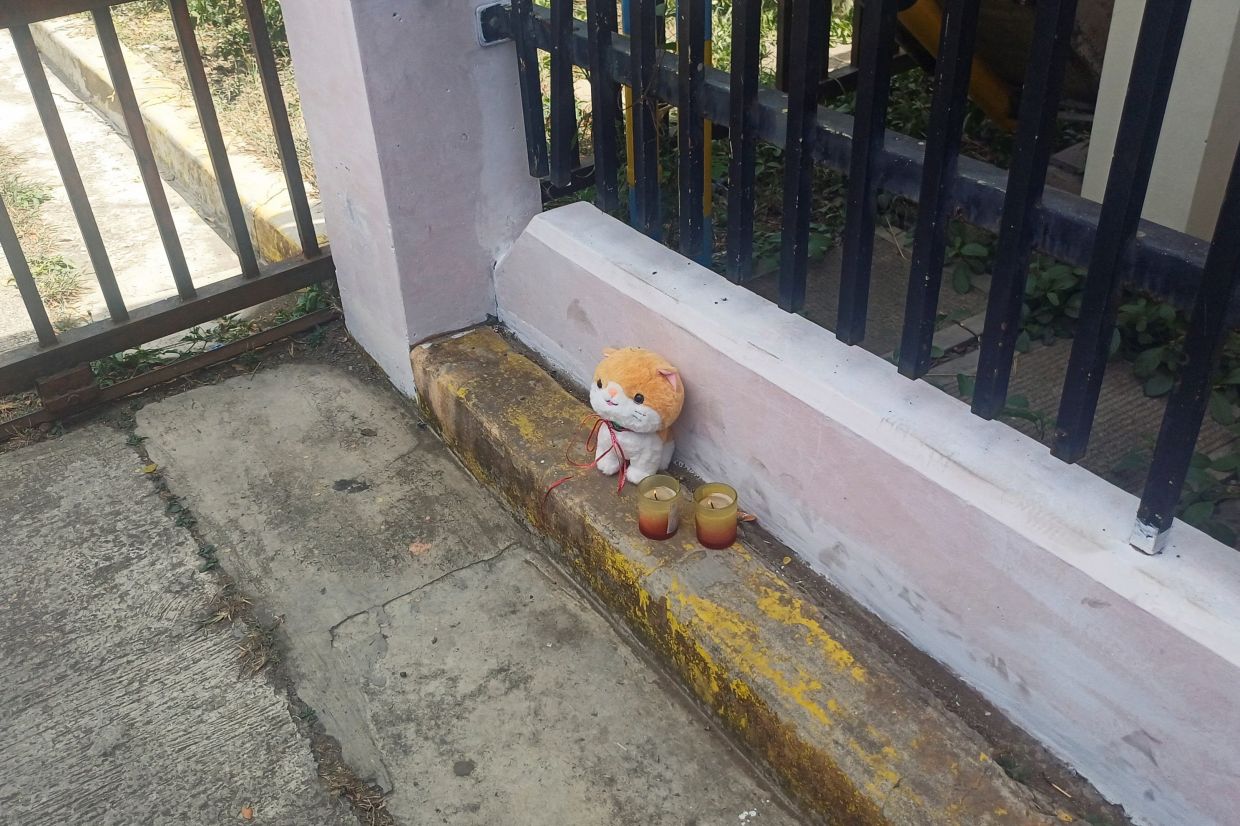
A shooting at Ateneo de Zamboanga University in which a Grade 8 student killed two classmates before dying from a self-inflicted gunshot wound has thrust the Philippines into a difficult reckoning with the vulnerabilities that enable school violence. The attack on Tuesday, August 18, marked the second such incident in less than two months and has prompted sharp questions about how a teenager described by his teachers as academically accomplished and well-behaved could have carried out and documented such a tragedy through a livestream broadcast.
Education Secretary Sonny Angara visited the Zamboanga City campus in the aftermath of the shooting, speaking candidly about the challenges schools face in identifying students who may pose a risk. His remarks underscored a troubling paradox: the perpetrator showed none of the traditional warning signs that educators are trained to recognise. Teachers had not flagged him as problematic, and his academic performance had been strong. This gap between outward normalcy and internal crisis has forced officials to confront uncomfortable questions about the adequacy of existing safeguarding mechanisms within educational institutions across the nation.
Angara's statement during his campus visit emphasised that physical infrastructure alone cannot prevent such tragedies. While security measures including perimeter fencing, closed-circuit television systems, metal detectors and other protective hardware matter, he argued that schools must cultivate cultures of genuine care and interpersonal connection. The education secretary stressed the importance of communities reaching out proactively to young people, noting that what may appear as minor gestures of attention or intervention can profoundly influence the wellbeing and trajectory of vulnerable adolescents.
The incident has catalysed intense parliamentary debate centred on restricting minors' access to social media platforms. Senate President Sherwin Gatchalian has championed legislation designed to prohibit children under 16 from using social media, citing concerns that the rapid dissemination of livestreamed footage and graphic imagery could desensitise young audiences to violence. This argument reflects growing international anxiety about the role digital platforms play in amplifying and potentially normalising extreme behaviour among teenagers who may lack the cognitive maturity to process such content critically.
Investigators are still reconstructing the sequence of events that culminated in the shooting. Key questions remain unanswered regarding the student's motivation, the forensic analysis of his electronic devices, and the precise mechanism by which he obtained access to his father's firearms, including a .40-calibre pistol that had been issued by the Bureau of Customs. These investigative gaps highlight a troubling vulnerability in the oversight of weapons held by government employees and their families.
Interior Secretary Jonvic Remulla has pressed lawmakers to strengthen penalties for gun owners who fail to secure their weapons against access by minors. He has also called for a comprehensive review of existing legislation governing the possession and storage of firearms. Remulla's advocacy reflects concern that the current legal framework may inadequately address the specific risks posed when weapons are stored in households containing teenagers, particularly in cases where parental oversight may be inconsistent.
Police investigations revealed that the student moved between floors of the school during the incident, initially opening fire on the fourth floor before relocating to the fifth floor where he was subsequently discovered dead from a self-inflicted gunshot wound to the head. A firearm lay beside his body, and forensic evidence indicated he had taken his own life rather than being overpowered by responding authorities. This sequence of events suggests the student had time to process his actions and make a deliberate final decision.
The social media dimensions of the incident have sparked particular alarm among Malaysian and regional observers. The student's decision to livestream the attack using body-worn camera equipment introduces questions about platform responsibility, content moderation, and the psychological motivations that may drive perpetrators to document violence for real-time audiences. The rapid circulation of graphic imagery and conflicting reports across social media channels and encrypted group chats has heightened parental anxiety and information confusion, particularly among families with children at other educational institutions.
A parent with a college-age daughter at another Ateneo de Zamboanga campus described how unverified accounts, graphic visual content and contested reports spread rapidly through digital communication networks, overwhelming parents with alarming or contradictory information. She drew a comparison to existing regulatory frameworks for traditional media, noting that television and cinema operate under age-based content rating systems designed to protect younger viewers from inappropriate material. She suggested that analogous safeguards should be extended to social media platforms and other online environments where youth are increasingly concentrated.
For Malaysia and other Southeast Asian nations, the Philippines incident serves as a cautionary illustration of emerging security vulnerabilities in the digital age. Even countries with relatively low baseline rates of school shootings cannot assume immunity from such incidents. The intersection of teenage access to firearms, inadequate weapon storage protocols, and unrestricted social media documentation creates a dangerous convergence that transcends national borders. Regional policymakers may find themselves compelled to examine similar vulnerabilities within their own jurisdictions.
The debate unfolding in the Philippine Congress touches on perennial tensions between individual privacy rights, parental responsibility, institutional accountability and state regulation. Proposals to restrict social media access for children under 16 represent a dramatic assertion of state authority over digital spaces, raising questions about implementation feasibility and the potential for such measures to drive younger users toward less monitored alternative platforms. The Philippines' experience may influence how neighbouring countries balance youth protection with digital freedoms.
Local educational institutions across the region may now face intensified scrutiny regarding their crisis preparedness protocols. Schools will likely face pressure to implement threat assessment programs, enhance staff training in recognising warning signs, and foster more robust communication systems between educators, families and counselling professionals. The Philippines shooting demonstrates that academic performance and outward demeanour cannot serve as reliable predictors of violent behaviour, necessitating more sophisticated, multidisciplinary approaches to student wellbeing monitoring.

