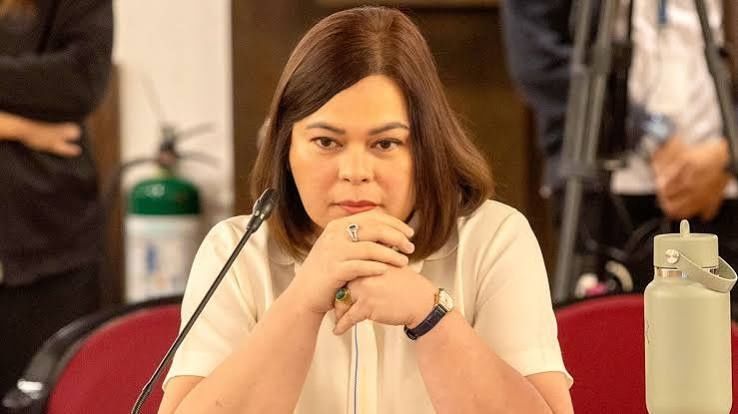
The Philippines enters a defining constitutional moment as Vice President Sara Duterte prepares to face trial before the Senate impeachment court on Monday, an unprecedented proceeding that could reshape the country's political landscape and test the independence of its judicial institutions. The government has mobilised substantial security resources to manage the high-stakes proceedings, underscoring both the gravity of the charges and the intense public interest surrounding what many view as a watershed moment in Philippine governance.
The Philippine National Police announced on Friday that it will station approximately 6,000 officers throughout Manila's government district to maintain order and safety during the trial. These officers will be deployed not only within the Senate complex itself but also across surrounding areas to regulate traffic flow, manage crowds of potential demonstrators, and prevent any disruptions to the constitutional process. The sheer scale of this security deployment reflects official anxiety about the proceedings, which occur amid deep political divisions and strong opinions across Philippine society regarding the vice president's tenure and conduct in office.
Beginning Monday, significant portions of Pasay City—where the Senate complex is situated within Metro Manila—will experience temporary road closures, according to local media reports from Friday. These traffic restrictions aim to facilitate the movement of security personnel and dignitaries while creating a controlled environment conducive to the trial. For residents and commuters in the capital, the disruptions will serve as a visible reminder of the constitutional drama unfolding at the heart of Philippine government.
The Senate impeachment court issued a directive Thursday compelling the vice president to present herself before the tribunal, either personally or through legal representation. This requirement underscores the formal nature of the proceedings and her obligation to engage with the constitutional process, regardless of political differences. The directive establishes that the trial will proceed with or without her physical presence, though her absence could carry symbolic weight regarding her willingness to defend herself against the charges.
The vice president's office released information Thursday regarding an audit opinion from the Commission on Audit concerning the Office of the Vice President's financial statements for calendar year 2025. The COA determined that the OVP's financial presentations were fairly stated and aligned with applicable reporting standards, findings that represent a favourable assessment of the office's fiscal management. Yet officials were careful to note that this positive audit opinion operates entirely separately from the impeachment proceedings, which concern matters of constitutional significance rather than routine financial compliance.
Sara Duterte, daughter of former President Rodrigo Duterte who governed from 2016 to 2022, announced her candidacy for the 2028 presidential election in February, a declaration that adds political dimension to the current impeachment trial. This timing raises questions about whether the impeachment represents genuine accountability for specific actions or reflects factional competition as political forces position themselves for the next presidential contest. The convergence of these events has inevitably drawn comparisons to other politically contentious impeachment proceedings globally, where questions about motivations and constitutional propriety often prove as significant as the underlying charges themselves.
The consequences of conviction extend far beyond removal from office. If more than two-thirds of the 24-member Senate votes to sustain the impeachment, the vice president would not only lose her position but face a lifetime prohibition from holding any public office in the Philippines. Such permanent political disqualification represents one of the most severe penalties available under Philippine constitutional law, equivalent to exile from public service. This high bar for conviction—requiring a supermajority rather than a simple majority—reflects the framers' intention to prevent impeachment from becoming a tool of narrow factional advantage, though critics argue the threshold remains susceptible to manipulation by sufficiently large political coalitions.
The trial arrives at a moment when questions about executive accountability and institutional independence loom large across Southeast Asia. The Philippines has experienced previous high-profile impeachment proceedings, yet each case generates intense debate about whether such constitutional mechanisms serve as genuine checks on executive power or function primarily as weapons in factional political warfare. International observers and regional analysts will likely scrutinise the trial's conduct and outcome as indicators of Philippine democratic health and the robustness of institutional checks on executive authority.
For Malaysian and broader Southeast Asian audiences, the Philippine proceedings offer a case study in how democracies manage constitutional crises involving high-ranking officials. The trial will demonstrate whether institutional processes can withstand political pressure while maintaining public confidence and whether supermajority requirements effectively protect minority political interests. As polarisation deepens across the region, how the Philippines navigates this test of constitutional governance carries lessons applicable to other nations wrestling with similar questions about executive accountability and institutional resilience.

