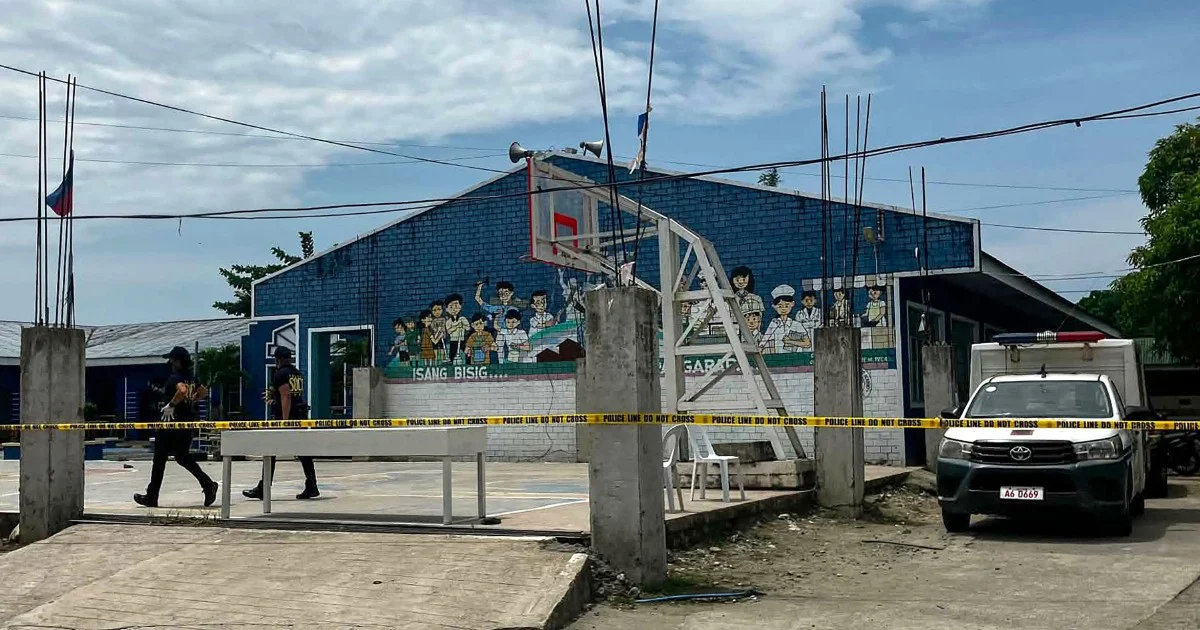
Philippine President Ferdinand Marcos Jr initiated a formal investigation on Monday following a deadly shooting incident at a school in Tacloban, one of the nation's major urban centres in the Visayas region. The attack claimed three lives and left five additional individuals injured, drawing immediate attention from the country's highest office and raising fresh concerns about security in educational institutions across the archipelago.
The presidential directive underscores the gravity with which the administration views such incidents within schools, institutions traditionally regarded as sanctuaries for learning and development. By ordering a comprehensive probe, Marcos Jr signalled that his government intends to ascertain the full circumstances surrounding the violence, examine potential security lapses, and identify those responsible for orchestrating the attack.
School shooting incidents, though less frequent in the Philippines compared to some Western nations, remain deeply troubling events that reverberate across communities and spark broader conversations about violence prevention, institutional safety, and access to firearms. The Tacloban incident joins a concerning pattern of attacks on educational facilities worldwide, prompting policymakers and educational administrators to reassess security protocols and emergency response procedures.
For Malaysian observers and regional analysts, this incident carries significance beyond its immediate context. Southeast Asia has witnessed relatively isolated school shootings compared to other regions, yet the issue reflects broader regional challenges spanning illegal firearms trafficking, organised crime, and social instability. The Philippines, in particular, has grappled with persistent challenges related to loose firearm regulations and persistent security vulnerabilities in certain localities.
Tacloban, the capital of Leyte province, occupies strategic importance within Philippine geography and serves as a vital economic and administrative hub for the eastern Visayas. The city's prominence means that such incidents receive nationwide attention and can influence public perception of safety in the region, potentially affecting tourism, business investment, and educational enrollment patterns.
The investigation will likely examine multiple dimensions including the shooter's identity and motive, how the individual obtained weapons, whether warning signs preceded the violence, and what institutional security measures existed at the time of the incident. Investigators will also scrutinise whether the attack was targeted or random, and whether any organisational or ideological dimensions underlay the violence.
The response from the presidential office demonstrates the administration's commitment to accountability and transparency, particularly regarding events involving civilian casualties and public safety concerns. Philippine authorities will presumably coordinate with local law enforcement, national security agencies, and education officials to develop a comprehensive understanding of the circumstances.
Such investigations typically produce recommendations spanning policy reforms, institutional changes, and resource allocation toward prevention and response capabilities. Educational institutions may subsequently implement enhanced security measures, improve emergency protocols, provide psychological support to survivors and witnesses, and strengthen communication channels with law enforcement agencies.
Regionally, this incident may prompt reflection within Southeast Asian governments regarding their own school security frameworks and violence prevention strategies. Malaysia, with its generally lower rates of gun violence relative to the Philippines, nonetheless maintains robust school safety protocols and periodic security reviews, offering potential lessons that could inform Philippine policy discussions.
The incident also highlights the complex relationship between security and freedom within educational environments, requiring authorities to balance protective measures with maintaining schools as open, welcoming spaces conducive to learning. Excessive security measures risk creating environments perceived as excessively controlled or threatening to students and educators, while insufficient protection may leave institutions vulnerable.
Moving forward, stakeholders including the Philippine government, educational administrators, law enforcement, mental health professionals, and civil society organisations will need to collaborate on multifaceted approaches addressing root causes of violence rather than relying solely on reactive security enhancements. This may encompass firearm regulation reforms, mental health support expansion, community violence intervention programmes, and social factors contributing to violent behaviour.
The presidential investigation represents the formal commencement of efforts to understand this tragedy and extract lessons for institutional improvement. How thoroughly and transparently Philippine authorities conduct this inquiry, and what concrete reforms emerge from their findings, will influence public confidence in institutional safety and governmental responsiveness to security threats affecting vulnerable populations including students and educators.