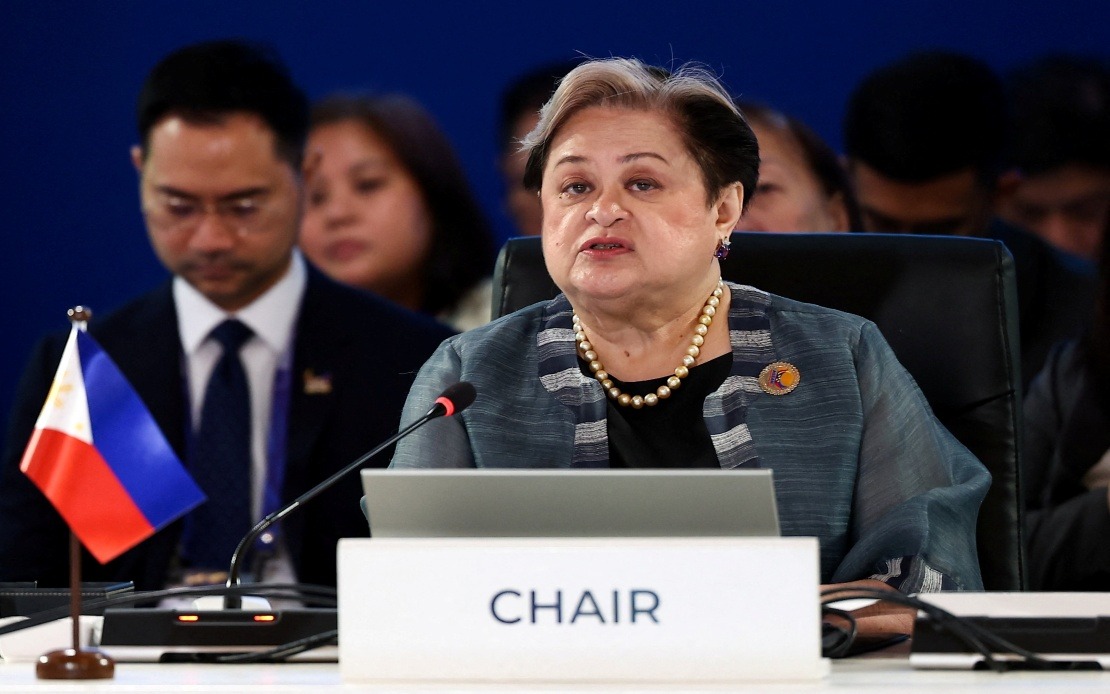
Philippine Foreign Affairs Secretary Ma. Theresa Lazaro is poised to spearhead a humanitarian initiative into Myanmar during the final quarter of this year, marking a significant diplomatic push to address the Southeast Asian nation's deepening humanitarian crisis. In her capacity as the special envoy for the ASEAN chair, Lazaro has committed to leading the mission, which has now secured backing from all key stakeholders involved in Myanmar's complex political landscape. The move underscores the regional bloc's determination to maintain engagement with Myanmar despite the country's continued instability.
The announcement emerged following an intensive round of diplomatic engagements that Lazaro conducted in Thailand between July 12 and 13. During these meetings, she held separate discussions with Myanmar's Foreign Minister U Tin Maung Swe, convened with other Southeast Asian foreign ministers, and engaged with representatives of Myanmar's ethnic armed organisations and peace negotiation bodies. These carefully choreographed interactions illustrate ASEAN's layered approach to Myanmar, which involves balancing dialogue with the military-aligned government while maintaining open channels with opposition and ethnic groups.
The humanitarian mission's core objective centres on broadening the delivery of critical assistance to areas within Myanmar that currently face severe access constraints. The Philippine Department of Foreign Affairs indicated that the initiative aims to identify and expand pathways into conflict-affected regions where humanitarian needs remain acute. This emphasis on access expansion reflects a pragmatic understanding that Myanmar's internal conflict has fragmented the country into numerous zones where aid distribution remains complicated by ongoing hostilities and territorial control disputes.
Lazaro's engagement with Myanmar's Foreign Minister represented a continuation of ASEAN's efforts to encourage implementation of the Five-Point Consensus, a regional framework adopted in 2021 to chart a path toward stability in Myanmar. During their bilateral meeting, both officials discussed concrete steps toward Myanmar's reintegration within ASEAN's diplomatic processes and mechanisms. The Five-Point Consensus, which includes measures for dialogue between conflicting parties and cessation of violence, has remained central to ASEAN's Myanmar strategy despite widespread criticism that the framework lacks enforcement mechanisms.
The informal session with ASEAN foreign ministers and U Tin Maung Swe represented a notable milestone in regional diplomacy, constituting the first in-person ministerial-level meeting between ASEAN's foreign affairs leadership and their Myanmar counterpart since 2021. During this gathering, Myanmar's government representative provided updates on his administration's progress toward the Consensus's action points and outlined a separate 100-day peace initiative. Myanmar also highlighted efforts to address transnational criminal activities that have proliferated in ungoverned spaces within the country, a concern that directly impacts neighbouring Southeast Asian nations including Malaysia and Thailand.
The consensus emphasised repeatedly by ASEAN ministers that the Five-Point Consensus remains instrumental in addressing Myanmar's trajectory underscores the bloc's commitment to maintaining this diplomatic framework despite its limitations. Lazaro reinforced this position by reiterating that Myanmar continues to occupy an integral place within ASEAN's institutional architecture. This messaging attempts to balance firm support for the regional framework with acknowledgment that Myanmar's political trajectory remains contested and volatile.
Parallel discussions with ethnic armed organisations and the National Solidarity and Peacemaking Negotiation Committee revealed broader openness among Myanmar's diverse political actors toward structured dialogue processes. Representatives from these groups emphasised the importance of inclusive national political dialogue that encompasses the full spectrum of parties involved in Myanmar's conflict. The willingness expressed by multiple stakeholders to engage in carefully prepared dialogue suggests potential momentum for broader political negotiation, though substantial obstacles remain regarding power-sharing arrangements and constitutional issues.
For Malaysian policymakers and observers, the humanitarian mission carries particular relevance given Malaysia's extensive border with Myanmar and the resulting transnational implications of Myanmar's instability. Malaysian security services have documented cross-border activities including refugee flows, arms smuggling, and militant group movements linked to Myanmar's fractured security environment. A successful expansion of humanitarian access could theoretically reduce displacement pressures and regional instability, though sceptics question whether access improvements alone address underlying political drivers of conflict.
The ASEAN approach reflected in Lazaro's diplomatic initiative demonstrates the bloc's preference for inclusive engagement rather than punitive isolation, a strategic choice that reflects the organisation's consensus-based decision-making culture. However, this accommodation toward Myanmar's government has drawn criticism from human rights advocates and some Western governments that view such engagement as tacitly legitimising the military leadership's authority. For Malaysia and other ASEAN members, the balance between diplomatic pragmatism and accountability remains a persistent tension.
The fourth-quarter timeline for the humanitarian mission suggests coordination with other diplomatic initiatives and potentially with seasonal factors affecting access to remote Myanmar regions. Successful execution of this mission could establish a template for future ASEAN humanitarian operations in conflict zones and potentially strengthen the bloc's collective capacity for crisis response beyond Myanmar. The initiative also reflects recognition that humanitarian assistance, while important, represents only one dimension of addressing Myanmar's multifaceted challenges.
Moving forward, the effectiveness of Lazaro's humanitarian mission will likely depend on her ability to secure commitments from Myanmar's government for sustained access corridors and cooperation with international aid organisations. The mission's success could influence whether ASEAN's broader Myanmar strategy gains traction or whether continued instability necessitates recalibration of the regional approach. For Malaysia and the wider Southeast Asian region, developments in Myanmar continue to carry outsized importance relative to the country's economic size, underscoring how security and humanitarian challenges in one nation reverberate across the entire regional system.

