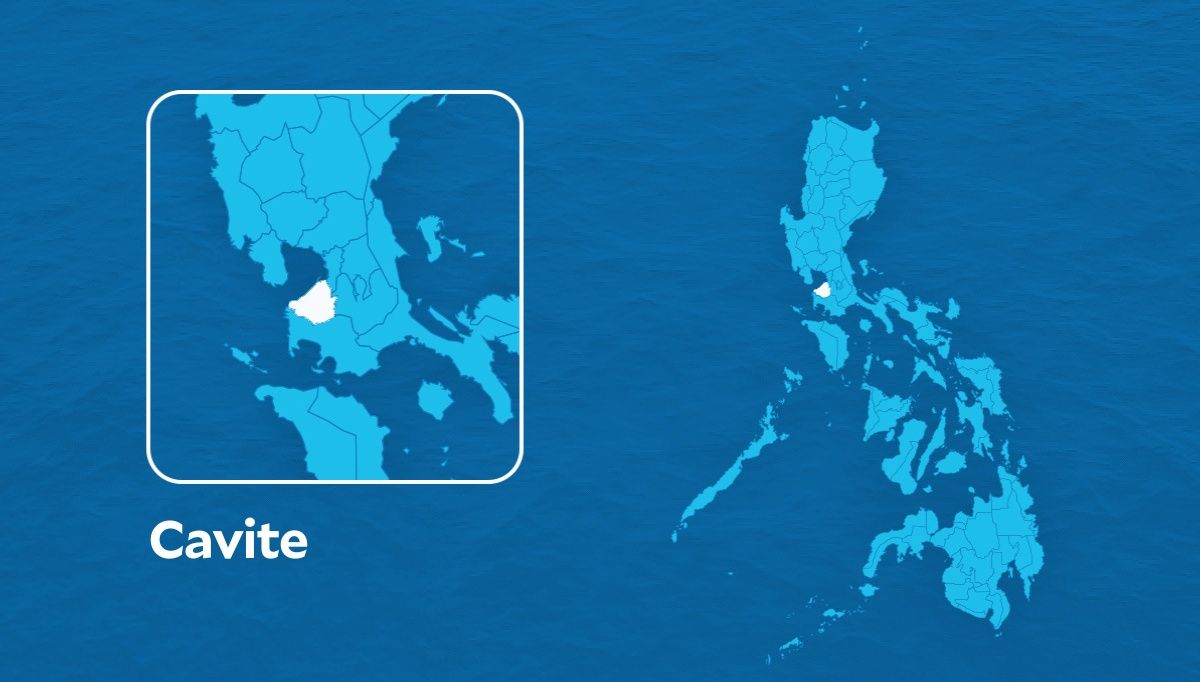
A Grade 10 student in General Mariano Alvarez, Cavite has been taken into custody following the discovery of an alleged plot to carry out a school shooting at his campus. The intervention by vigilant educators and swift police action on June 30 prevented what could have been a tragic incident, with authorities recovering an improvised, unregistered firearm during their investigation. The case underscores both the vulnerability of educational institutions to violent threats and the critical importance of early detection systems within schools across the region.
General Mariano Alvarez Technical High School (GMATHS) received "menacing information" regarding the student's alleged intentions and immediately escalated the matter to law enforcement. According to reporting by Manila-based news organisations, a teacher uncovered concerning online messages from the student in which he purportedly discussed carrying out a shooting attack scheduled for July 2. The school's swift notification to police and cooperation with barangay officials created the window necessary for intervention before the alleged plan could progress further.
The Cavite Police Provincial Office (CPPO) responded rapidly to the school's alert, verifying the intelligence and coordinating with the student's family and local community representatives. This multi-agency approach—bringing together school administrators, law enforcement, family members, and barangay officials—proved instrumental in locating and securing the improvised firearm. The weapon's recovery represents a significant achievement in preventing armed violence, as even crude, unregistered firearms pose severe dangers in schools where hundreds of young people congregate daily.
Despite the seriousness of the allegations, Philippine authorities have maintained strict confidentiality regarding the student's identity, a requirement under the Juvenile Justice and Welfare Act which governs the treatment of minors in the criminal justice system. The student has been transferred to the Municipal Social Welfare and Development Office (MSWDO) for appropriate psychological and social interventions rather than being processed through the adult criminal system. This approach reflects the legal framework's recognition that young people involved in violent plots may themselves require rehabilitation and therapeutic support alongside accountability.
The investigation remains ongoing as police prepare formal charges in accordance with existing Philippine laws. Officials have not publicly disclosed what specific statutes may be invoked, though possession of an unregistered firearm typically carries serious penalties. The case is likely to involve consultation with child welfare specialists and psychological evaluators to understand the circumstances that led a teenager to contemplate such violence and what risk factors may have contributed to these thoughts.
The incident carries particular significance for Southeast Asian education systems, where school shootings remain comparatively rare but have nonetheless occurred in neighbouring countries. The successful prevention in Cavite offers valuable lessons about institutional vigilance and the importance of creating school cultures where teachers feel empowered to report suspicious communications or behavioural changes. Many educational administrators across the region have struggled to balance student privacy with safety protocols, but this case demonstrates that proper channels exist for raising serious concerns.
The Cavite Police Provincial Office has framed the outcome as validation of its commitment to protecting students and communities through "swift action, proactive policing, and unwavering enforcement of the law." Officials commended the school's rapid response and stressed that educational institutions must maintain close relationships with local law enforcement to facilitate quick communication when threats emerge. This emphasis on partnership reflects broader international best practices in school safety, which increasingly rely on information-sharing networks rather than security hardware alone.
Authorities have also cautioned the public against spreading unverified information about the incident or disclosing details about the minor involved. Such calls reflect legitimate concerns about media sensationalism surrounding youth violence, which research suggests can inadvertently inspire copycat behaviour. Philippine media regulations require protecting children's identities in criminal cases, and police have reminded citizens of their legal obligation to respect these protections while still reporting genuine threats promptly.
The case arrives amid international discussion about youth violence and access to weapons in developing nations. The Philippines faces persistent challenges regarding firearm regulation and the proliferation of improvised weapons in certain communities. That authorities successfully interdicted an illegal gun before it could be brought into a school environment represents a notable success for enforcement mechanisms, though the broader context of weapons availability remains a policy concern for lawmakers and community leaders throughout the nation.
For students and parents at GMATHS and other Cavite schools, the incident will likely prompt renewed emphasis on safety protocols and mental health support services. School administrators across the Philippines may use this case as an opportunity to review their threat assessment procedures and ensure that teachers understand how to distinguish between casual remarks and genuine warning signs. Educational psychologists increasingly stress that most students expressing violent thoughts require intervention and support rather than punishment, a principle that appears to have guided authorities' response in this instance.
The broader implications extend to how Southeast Asian societies approach youth safety in educational settings. While the region has generally avoided the epidemic of school shootings that plague some Western nations, complacency could prove dangerous as urbanisation increases and access to information—including potentially harmful online content—expands. Creating effective early warning systems depends on trust between schools, families, and law enforcement, elements that the Cavite authorities successfully mobilised in this case.

