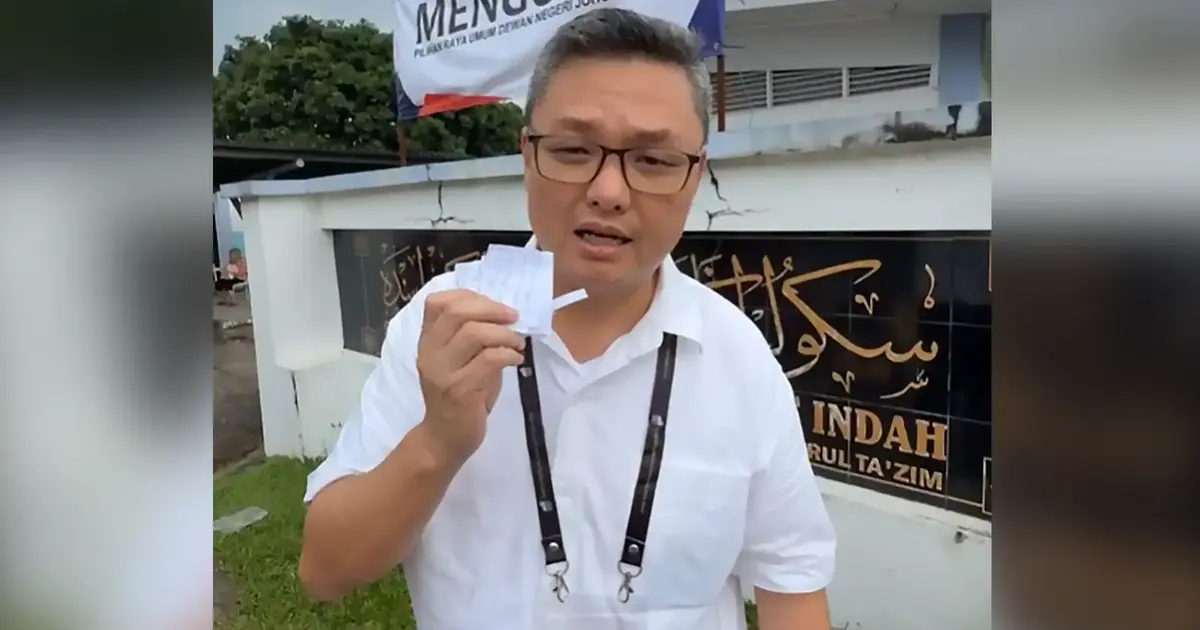
A senior Pakatan Harapan official has escalated concerns about ballot transparency procedures after alleging that a Barisan Nasional counting agent documented the voting choices of individual electors during the polling process. Tee Boon Tsong, representing the opposition coalition, contends that the alleged practice constitutes a serious breach of electoral protocols designed to protect voter privacy, and has called for the Election Commission to confiscate any handwritten records as part of their investigative procedures.
The complaint touches on fundamental principles underpinning democratic elections across Southeast Asia. In Malaysia's electoral system, counting agents representing competing political parties are permitted to observe the tabulation and tallying process to ensure procedural fairness and transparency. However, their role is strictly circumscribed to witness the official counting mechanisms without recording individual voter preferences, which would undermine the constitutional guarantee of ballot secrecy. This safeguard prevents voter intimidation, coercion, and the emergence of transactional voting practices that could distort electoral outcomes.
Tee's allegation suggests that the boundary between legitimate electoral observation and improper documentation may have been crossed during recent polling activities. If substantiated, such conduct would represent not merely a procedural irregularity but a potential violation of electoral laws that protect voters' fundamental rights. The handwritten notes allegedly created during the voting process would constitute direct evidence of this breach, making their seizure and examination central to any credible investigation by the Election Commission.
The Election Commission maintains responsibility for enforcing electoral regulations and responding to substantiated complaints of misconduct. An investigation into these allegations would require the Commission to interview relevant personnel, examine the records in question, and determine whether deliberate documentation of ballot choices occurred. The agency's handling of this matter carries significant implications for public confidence in electoral administration, particularly given ongoing scrutiny of vote-counting procedures across Malaysia's diverse political landscape.
For the Barisan Nasional coalition, the allegation presents a reputational challenge that extends beyond the immediate complaint. Opposition parties regularly cite concerns about electoral integrity as a campaign issue, and any evidence supporting claims of improper conduct could reinforce narratives about institutional impartiality. Conversely, a thorough investigation that either substantiates or definitively dismisses the complaint would contribute to establishing clear procedural standards for all parties involved in future elections.
The broader context involves Malaysia's ongoing calibration of election administration practices following periods of political transition. International observers and domestic watchdog organisations have periodically recommended refinements to safeguard electoral security while maintaining the transparency necessary for legitimate party oversight. The current complaint illustrates how the mechanics of vote counting—seemingly technical matters—intersect directly with constitutional protections that voters expect to be maintained throughout the electoral process.
Political parties across the Malaysian spectrum depend on their ability to position counting agents during elections, viewing this access as essential verification that results reflect genuine voter preferences. However, this legitimate interest in election observation must be balanced against the imperative to prevent any form of voter record-keeping that could enable downstream misuse of information. The allegation raised by Tee suggests potential tension between these competing requirements, underscoring the need for explicit protocols and robust training for all electoral officials and party representatives.
Seizing the alleged handwritten documents would serve multiple investigative purposes. Such records could reveal whether systematic documentation occurred across multiple polling stations or represented an isolated incident. They would also establish the identity of the individual allegedly responsible for creating them, enabling the Commission to determine whether this reflected personal initiative or reflected broader party direction. The content and scope of these notes would provide direct evidence about the nature and extent of any breach.
For Malaysian voters and civil society organisations monitoring electoral processes, this complaint reopens important questions about oversight mechanisms and enforcement capacity. While the Election Commission possesses authority to investigate allegations and recommend sanctions, questions persist about whether existing penalties adequately deter misconduct or whether additional safeguards should be implemented. The resolution of this specific complaint could influence how subsequent allegations are handled and what standards of evidence the Commission applies when evaluating claims of electoral irregularity.
Looking beyond this individual incident, the complaint highlights vulnerabilities in Malaysia's reliance on human actors to implement electoral rules. Counting agents, election officials, and administrative staff collectively ensure that polling procedures function correctly, yet inconsistent adherence to protocols or inadequate training can create opportunities for malpractice. Strengthening the electoral process may require not only investigating specific allegations but also systematically reviewing training regimens, creating more detailed operational manuals, and establishing clearer consequences for violations that breach voter privacy protections.
The way Malaysian authorities respond to Tee's complaint will signal their commitment to safeguarding electoral integrity across all phases of the voting and counting process. A rigorous investigation that treats voter privacy concerns seriously, regardless of which party's agents may have been responsible, reinforces the principle that electoral rules apply uniformly. Conversely, any appearance of selective investigation or insufficient follow-up could undermine confidence in the neutrality of electoral administration, a concern that reverberates throughout Southeast Asia's competitive political systems where electoral legitimacy remains perpetually contested.

