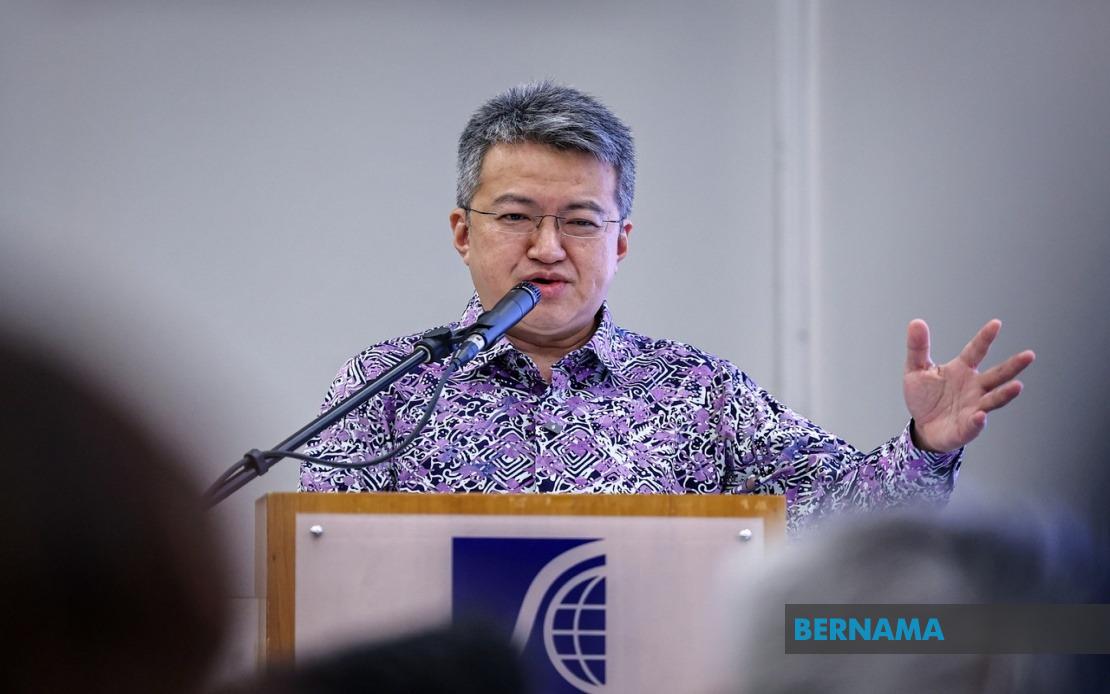
Pakatan Harapan is preparing for an unpredictable factor in the Johor state election: the behaviour of Perikatan Nasional supporters in the 23 constituencies where PN has chosen not to field candidates. DAP Strategic Director and Deputy Finance Minister Liew Chin Tong flagged the concern during a briefing in Johor Bahru this week, suggesting that vote migration from PN's base could reshape outcomes across multiple battlegrounds where races are expected to be closely fought.
The core of PH's anxiety centres on whether PN voters will remain loyal to the coalition's cause or drift toward competing parties when their natural choice is absent from the ballot. In multi-cornered contests, such switching can prove decisive. Liew acknowledged that forecasting voter behaviour in elections is inherently difficult, with surprises and risks emerging that campaign strategists cannot always predict. His caution reflects the reality that Malaysian electoral mathematics remain fluid, especially when established voting blocs face the prospect of voting outside their traditional political homes.
For DAP candidates contesting those 23 seats, the stakes are particularly acute. The party has invested considerable resources in building support in Johor, but faces the awkward situation where PN's withdrawal creates a vacuum that other parties might exploit. Rather than guaranteeing an easy path, the absence of PN competition could paradoxically complicate DAP's task if anti-PH sentiment hardens or if voters feel emboldened to experiment with alternative options. Liew's public acknowledgment of this vulnerability signals that PH views the tactical landscape as more fraught than a simple two-way contest would suggest.
To navigate this uncertainty, PH has emphasised the importance of vigilant campaigning and continuous engagement with voters. Liew stressed that maintaining voter confidence requires not merely countering opposition attacks but actively presenting a vision that resonates. The coalition's strategy hinges on demonstrating that its candidates offer genuine value and competence beyond simply being the default alternative to PN or Barisan Nasional. This pivot toward positive messaging underscores how PH must work harder to persuade voters rather than relying on passive support.
The broader context reveals PH's broader organisational approach in Johor. The coalition has fielded what it describes as a roster of younger, credible candidates tailored to individual constituencies. This emphasis on generational renewal and local suitability suggests an attempt to rebuild PH's brand in a state where its 2022 performance fell short of expectations. By promoting fresh faces aligned with constituency-level needs, PH hopes to distance itself from national-level controversies and focus on delivery at ground level.
Liew's decision to step back from defending his own Perling state seat exemplifies this philosophy. The Deputy Finance Minister, who successfully retained Perling in the 2022 Johor election, has opted not to seek re-election at the state level, citing DAP's internal principle against holding concurrent parliamentary and state assembly positions. This constraint, while ideologically consistent with the party's anti-concentration-of-power stance, also forces DAP to develop its bench strength and prevents powerful figures from hoarding local strongholds. Liew's move creates space for fresh leadership but potentially sacrifices an incumbent's electoral advantage.
The Perling seat, which encompasses 109,992 registered voters, is being handed to Alan Tee Boon Tsong, a former assemblyman from Senai who brings prior legislative experience to the contest. Yet Tee will face a three-way battle. Besides himself, the seat will feature P. Pannir Selvam representing Barisan Nasional and Boo Wei Han from Parti Bersama Malaysia. The presence of three candidates reflects the fragmented political landscape in Johor, where no single faction commands overwhelming dominance. Each contender must navigate distinct voter blocs and persuade fence-sitters that their candidacy offers the best outcome.
The arithmetic of multi-cornered contests works differently in Malaysia's electoral system. With three or more candidates splitting the vote, victory margins can shrink dramatically, and the winning candidate may represent only a plurality rather than a majority of voters. This dynamic rewards disciplined party machines capable of mobilising their core vote while also persuading persuadable voters. For DAP's new candidate in Perling, success depends not solely on PH's overall momentum but on the specific ability to consolidate support in that locality against two rivals.
Johor remains strategically significant for PH's long-term political trajectory. The state has historically been a BN stronghold, but recent years have seen rising electoral competition. A strong PH showing in the July 11 election would reinforce the coalition's credentials in one of Malaysia's largest and most populous states. Conversely, underperformance would suggest that PH's 2022 momentum has stalled or reversed, complicating its prospects in future general elections. The Johor poll thus functions as a de facto interim assessment of PH's standing with voters.
The election timeline compounds the sense of urgency. Early voting is scheduled for July 7, with the main poll following four days later on July 11. This compressed schedule limits the campaign window, making efficient voter contact and persuasion all the more critical. Every day of campaigning matters, and missteps or unexpected developments can quickly shift momentum. PH's warning about vote-splitting risks suggests the coalition views its margin for error as narrow.
Beyond the immediate electoral contest, PH's cautious tone reflects broader lessons from recent Malaysian elections. The 2022 general election and subsequent state polls have demonstrated that voter behaviour is unpredictable and that assumed voting patterns can collapse unexpectedly. Complacency has repeatedly cost major parties dearly. By publicly warning of potential vote-splitting and emphasising the need for rigorous campaigning, Liew is signalling to PH's grassroots and supporters that the coalition cannot take victory for granted, even in constituencies where opposition candidates are absent.
For Malaysian voters observing Johor politics, the state election serves as a barometer of broader political mood. Economic concerns, governance perceptions, and the appeal of competing visions for the state will shape outcomes. The electorate's response to PH's slate of candidates will indicate whether the coalition has successfully rebranded itself as a viable alternative to the traditional establishment, or whether voters remain hesitant to consolidate support behind opposition forces. The July 11 result will provide data points that national political strategists across all parties will scrutinise closely.

