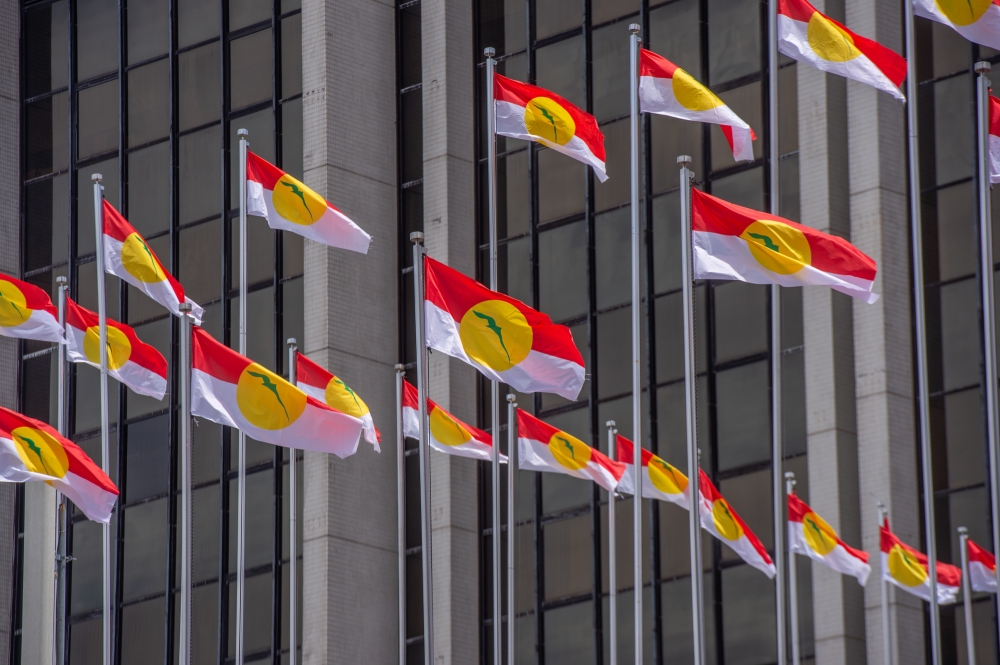
The Umno branch in Perlis is preparing to field candidates across all available seats in the coming election, marking a significant strategic move for the northern state's political landscape. Party leaders have instructed the organisation to ready itself for a comprehensive solo campaign covering 15 state assembly constituencies and three federal parliamentary seats, according to officials involved in the planning process.
This declaration represents a departure from established coalition arrangements that have long characterised Malaysian electoral contests, where the dominant party typically shares contests with partners. The decision reflects internal assessments within Perlis Umno about its capacity to secure representation without relying on alliance structures. The party's machinery is intensifying recruitment, candidate vetting, and grassroots organising to ensure adequate coverage across all constituencies before the election is called.
The shift carries implications for how the state's political contest unfolds. Traditionally, coalition partners divide constituencies to avoid internal competition, streamlining campaign resources and voter messaging. By choosing to contest everything, Perlis Umno signals confidence in its organisational strength and electoral appeal within the state. Simultaneously, the move creates space for other parties to campaign more freely in constituencies where they might otherwise have faced mutual non-aggression agreements.
For Malaysian voters and political observers, this development underscores how regional parties interpret national political dynamics. Perlis, though a smaller state with just 18 seats, serves as a testing ground for electoral strategies that might gain wider adoption. The Umno calculation here—that going it alone offers better prospects than negotiating with partners—reflects broader shifts in how coalitions are perceived and valued across the country.
The preparation phase involves strengthening party structures from the grassroots level upwards. Perlis Umno is evaluating potential candidates, assessing their viability in target constituencies, and ensuring campaign infrastructure is in place. This comprehensive groundwork takes months and requires coordination across all three parliamentary divisions and numerous state assembly zones. Party officials have been tasked with identifying strong local candidates who can compete effectively and represent the party's interests credibly.
The independent campaign approach demands substantial financial commitment and volunteer mobilisation. Unlike coalition contests where expenses and campaign efforts are shared, a solo campaign requires the party to shoulder all costs and logistics independently. For Perlis Umno, this means allocating resources efficiently while maintaining campaign quality across all 18 contests simultaneously. The party must ensure that even in constituencies considered less winnable, adequate representation and voter engagement occur.
From a broader Southeast Asian perspective, this reflects how Malaysian parties navigate coalition politics when they judge themselves strong enough to operate independently. The region's electoral systems have encouraged various power-sharing arrangements, yet parties periodically test solo campaigns when internal calculations suggest greater benefits from unilateral action. Perlis Umno's decision joins a pattern where dominant parties occasionally reassess whether coalition arrangements serve their interests or constrain them.
The timing of this announcement matters significantly. By declaring intentions early, Perlis Umno signals clarity to potential candidates and supporters about the party's direction. Early declarations allow the party to attract competitive candidates and build momentum before opposition parties complete their own preparations. The lead time also permits comprehensive candidate campaigns and voter outreach, establishing name recognition and local presence well before polling day arrives.
Other political players in Perlis must now recalibrate their strategies in response. Coalition partners who might have expected seat allocations must reconsider their own electoral positioning. Opposition parties gain opportunities to contest constituencies they might previously have conceded to coalition arrangements. The overall political competition becomes more fluid and unpredictable, potentially reshaping which constituencies are considered competitive.
For Umno nationally, the Perlis initiative provides data about party viability in electoral contests conducted without coalition protections. Success would demonstrate that the party retains independent electoral strength in at least one state, reinforcing arguments about Umno's continuing relevance as a standalone political force. Conversely, underperformance would suggest that coalition arrangements provide crucial support for Umno's electoral success, informing future strategic calculations about partnership value.
The preparation underway also reflects confidence in the party's local leadership and candidate quality. Umno in Perlis believes its representatives can compete effectively against opposition candidates across all constituencies. This assessment, whether proven accurate or not, drives the resource allocation and campaign planning currently underway. The party is essentially betting that geographic coverage and local networks matter more than coalition partner support in determining electoral outcomes.
As the party machinery continues mobilising, Perlis residents should expect intensified political activity and candidate announcements in coming months. The state serves as a microcosm of broader questions about coalition necessity, party independence, and electoral competition in Malaysia's political system.

