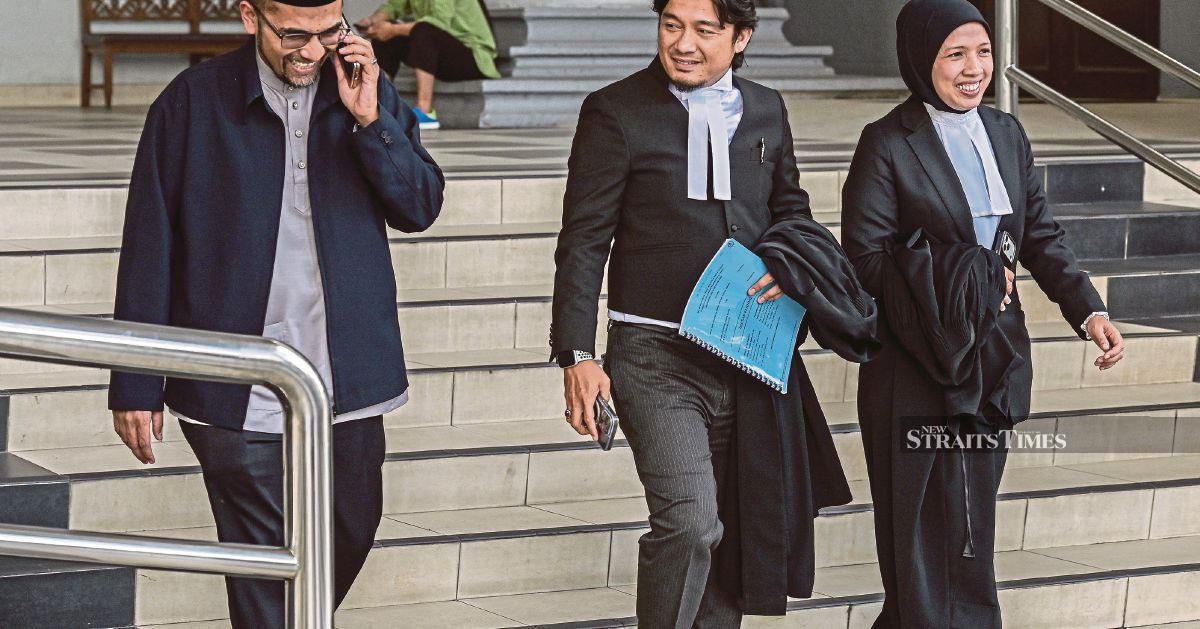
A Malaysian High Court has awarded RM250,000 in damages to Perlis Mufti Datuk Dr Mohd Asri Zainul Abidin following his successful defamation case against the owner of a Facebook account. The court determined that social media posts published on the account had wrongfully associated the prominent religious figure with GISBH Holdings Sdn Bhd, a company that has faced significant public scrutiny. The ruling underscores the judiciary's willingness to intervene in cases where online publications cause reputational harm to individuals, particularly those holding positions of public trust and religious authority.
The case highlights the double-edged nature of digital communication in Malaysia's modern landscape. While social media platforms have democratised information sharing and enabled broader public discourse, they have simultaneously created new avenues for potential misuse, misinformation, and attacks on personal reputation. The defendant's posts appear to have capitalised on existing public concerns surrounding GISBH Holdings, using inflammatory associations to damage the mufti's standing without apparent factual foundation. The High Court's intervention signals that merely publishing unsubstantiated allegations on Facebook—arguably the most popular social networking platform in Malaysia—does not shield individuals from legal accountability for defamation.
Datuk Dr Mohd Asri Zainul Abidin is a prominent Islamic scholar and former holder of senior religious posts in Malaysia. Throughout his career, he has remained a visible public figure and commentator on religious and social issues. Any association with controversial organisations, particularly one under public investigation or criticism, poses a direct threat to his professional credibility and religious authority. The mufti's decision to pursue legal remedies through the courts suggests he viewed the Facebook posts as sufficiently damaging to warrant formal action, rather than relying on social media responses or issuing public denials alone.
GISBH Holdings has been the subject of considerable public and regulatory attention in Malaysia over recent years. The company's troubled history and its connections to various individuals have made it a frequent topic of online discussion and concern. This background context made the Facebook posts particularly potent: by falsely linking a respected religious leader to the organisation, the account owner effectively leveraged existing public wariness toward GISBH to generate additional credibility for the allegations. The High Court's decision to award damages recognises that such tactics—weaponising public mistrust of an organisation to attack an unrelated individual—constitute actionable defamation rather than legitimate discourse.
The judgment also carries procedural significance for Malaysian defamation law in the digital age. Courts must balance the principle that defamation protections remain valid regardless of the medium used to publish false statements, against the reality that social media enables rapid, widespread dissemination to potentially millions of readers. The RM250,000 award appears calibrated to reflect both the reputational damage to the mufti and the platform's reach, though it falls short of the maximum penalties available in serious defamation cases. This suggests the court weighed the seriousness of the allegations against other mitigating factors, possibly including the defendant's identity, resources, or evidence of actual malice.
For ordinary Malaysians and social media users, the ruling carries practical implications for online conduct. Sharing, reposting, or creating content that links identifiable individuals to controversial organisations without verifiable evidence now carries measurable legal risk. While this may appear to constrain online speech, it primarily targets false statements rather than genuine commentary or satire. The distinction matters: critics of public figures, organisations, and institutions retain the right to express negative views based on facts, whereas fabricating false associations crosses into actionable defamation territory. Users who wish to engage in legitimate criticism should ensure their posts rest on factual foundations rather than speculation or inference.
The case also reflects broader concerns within Malaysia's Islamic establishment. Religious leaders, including muftis, occupy uniquely sensitive positions at the intersection of faith, governance, and public trust. Attacks on their reputation—particularly those insinuating financial impropriety or association with dubious entities—strike at the heart of their institutional legitimacy. The court's decision to award substantial damages recognises this vulnerability and the particular vulnerability of religious authority figures to reputation-damaging lies.
From a regional perspective, Malaysia's approach aligns with broader Southeast Asian trends toward greater judicial scrutiny of online defamation. Neighbouring countries including Singapore and Thailand have similarly developed jurisprudence addressing false social media statements, though with varying standards for proving harm and culpability. The Malaysian decision demonstrates that courts in the region view platform-agnostic defamation law as essential for protecting individuals against the unique risks posed by the internet's reach and permanence.
Moving forward, the ruling may encourage other individuals who believe they have suffered false online allegations to pursue legal remedies. However, it also serves as a cautionary tale for social media account owners regarding the legal consequences of publishing unverified claims. The apparent ease with which Facebook accounts can reach thousands or millions of people, combined with the permanence of digital records, means that defamatory posts carry potentially severe consequences. Content creators—whether acting individually, as part of organised campaigns, or in professional capacities—now have clear notice that Malaysian courts will impose meaningful financial penalties for false statements that damage reputation, regardless of the platform's apparent informality.

