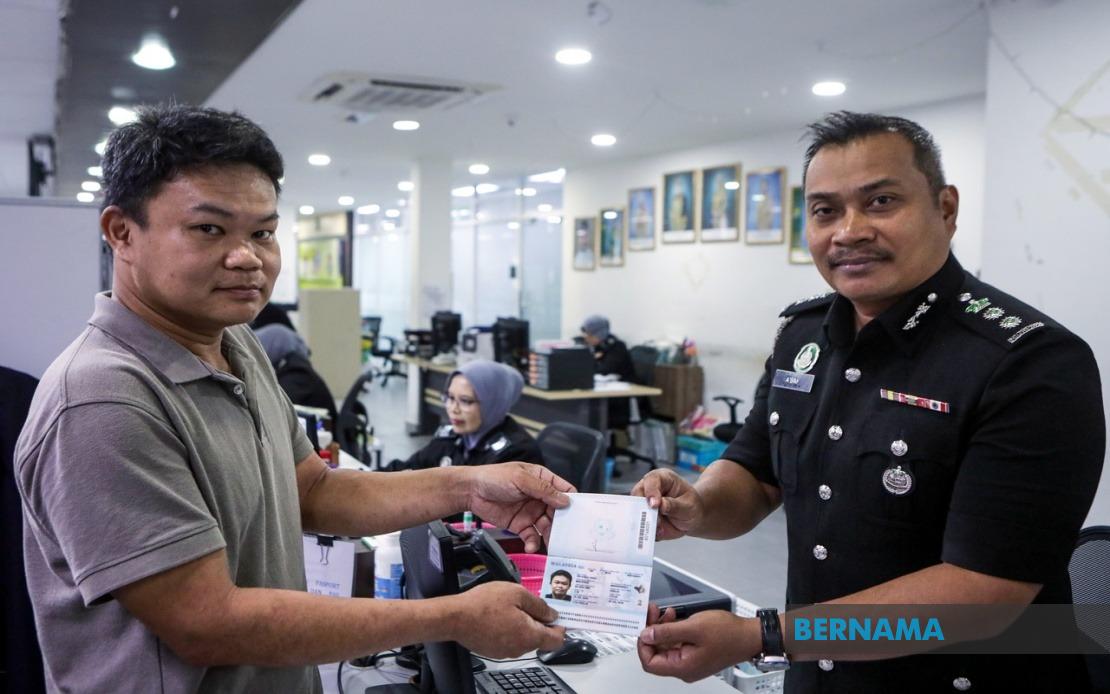
The Perlis Immigration Department has commenced issuing Malaysia's new international passport following the successful installation of advanced printing machinery at its Kangar office this month. The upgraded travel document represents a significant advancement in national security protocols, incorporating 94 distinct security features designed to combat document fraud and forgery. According to Perlis Immigration director Mohammad A'sim Md Ali, the initial rollout phase is limited to the Immigration Office located within the Kangar Urban Transformation Centre, where officials have already processed applications since the passport became available to the public on July 1.
Prime Minister Datuk Seri Anwar Ibrahim formally unveiled the new Malaysian International Passport on June 30, marking a watershed moment in the country's approach to travel document security and citizen convenience. The initiative reflects broader government efforts to modernise critical identity and travel infrastructure amid evolving security threats and technological capabilities. Malaysian citizens aged 18 and above became eligible to apply from July 1 onwards, with the flexibility to select either a five-year or ten-year validity period depending on their travel requirements and preferences. This dual-option approach accommodates diverse citizen needs, from those requiring short-term international mobility to frequent international travellers seeking longer-term document validity.
The enhanced passport design addresses longstanding vulnerabilities in Malaysia's previous travel documentation system whilst simultaneously improving user experience. Officials characterise the introduction as instrumental in fortifying the integrity of Malaysia's travel documents, a critical consideration given the prevalence of document-related fraud in Southeast Asia and globally. The 94 integrated security features likely include advanced biometric elements, sophisticated printing techniques, digital security markers, and anti-counterfeiting measures aligned with international standards established by bodies such as the International Civil Aviation Organization. These enhancements position the new Malaysian passport competitively within the region and globally, supporting Malaysia's tourism sector and facilitating legitimate international movement.
Perlis Immigration director Mohammad A'sim Md Ali reported encouraging public response during the first day of implementation, suggesting strong citizen awareness of and interest in the upgraded document. Between January 1 and July 17, the Perlis Immigration Department issued 31,722 travel documents across multiple categories, comprising 6,918 passports, 72 Restricted Travel Documents, and 24,732 Border Passes. These figures demonstrate substantial administrative workload and underscore the importance of adequate infrastructure and staffing to handle demand across Malaysia's states. The staggered rollout approach, with Perlis serving as an initial implementation site, allows authorities to refine operational procedures and identify potential bottlenecks before nationwide expansion.
The Perlis Ministry of Home Affairs Complex is scheduled to receive its own printing machine following the completion of ongoing building upgrades and service counter enhancements, anticipated for completion in October. This phased infrastructure development strategy ensures that printing capacity expands systematically in line with facility readiness rather than creating operational strain through premature equipment installation. Once the second printing facility becomes operational, Perlis residents and those seeking passports in the state will benefit from enhanced accessibility and potentially shorter processing timeframes. The decentralised approach to passport production mirrors administrative practices in other Malaysian states and reflects lessons learned from implementing major national identity systems.
The transition to the new passport system carries implications for Malaysian expatriates, frequent travellers, and those planning international movement in the coming months. Individuals holding older passport formats remain entitled to use these documents until expiration, but may consider upgrading to access enhanced security features and potentially smoother international travel experiences. Airlines, immigration authorities, and border control agencies globally are progressively updating systems to recognise and process the new Malaysian passport format, a process typically completed within months of document introduction. Malaysian travellers should monitor official immigration announcements regarding any temporary processing adjustments during the transition period.
From a regional perspective, Malaysia's passport modernisation reflects broader Southeast Asian trends toward enhanced travel document security and digital integration. Thailand, Singapore, Indonesia, and other Association of Southeast Asian Nations member states have similarly implemented advanced passport systems incorporating biometric data and sophisticated security features. Malaysia's initiative positions the country competitively within regional travel and trade frameworks, supporting economic integration and people-to-people connectivity. The enhanced document security also demonstrates Malaysia's commitment to international border security standards and counter-terrorism efforts, priorities that resonate with major trading partners and travel destinations.
The rollout timeline suggests that the new Malaysian International Passport will become the standard travel document for most Malaysians within a reasonable timeframe. Citizens planning international travel should monitor official channels for guidance on application procedures, processing times, and any variations in requirements across different immigration offices. The choice between five-year and ten-year validity options merits individual consideration based on anticipated travel patterns, document security preferences, and personal circumstances. Those frequently renewing passports or preferring more regular document updates might choose the shorter validity period, whilst those seeking long-term stability and convenience would logically select the ten-year option.
The Perlis Immigration Department's successful commencement of the new passport issuance process establishes a foundational model for implementation across other states. Authorities will likely draw upon the Perlis experience to refine training protocols for staff, optimise application processing workflows, and identify best practices for managing public demand. Subsequent installations of printing machinery in other states' immigration facilities will benefit from accumulated operational knowledge and lessons learned during this initial implementation phase. This structured approach to nationwide rollout reflects professional public administration principles and increases the likelihood of smooth transition across all Malaysian immigration offices.
Citizens currently holding standard Malaysian passports need not rush to apply for the new document unless planning imminent international travel or preferring immediate access to enhanced security features. Immigration authorities have not announced mandatory replacement deadlines, suggesting that existing passports retain validity through their expiration dates. However, those seeking the new passport's additional security features, enhanced travel convenience, or simply updating their documentation should initiate applications through the appropriate immigration office in their state of residence or origin. The Perlis Immigration Department's positive early response and streamlined implementation suggest that the nationwide rollout will proceed efficiently, ultimately delivering enhanced security and convenience to Malaysian travellers.

