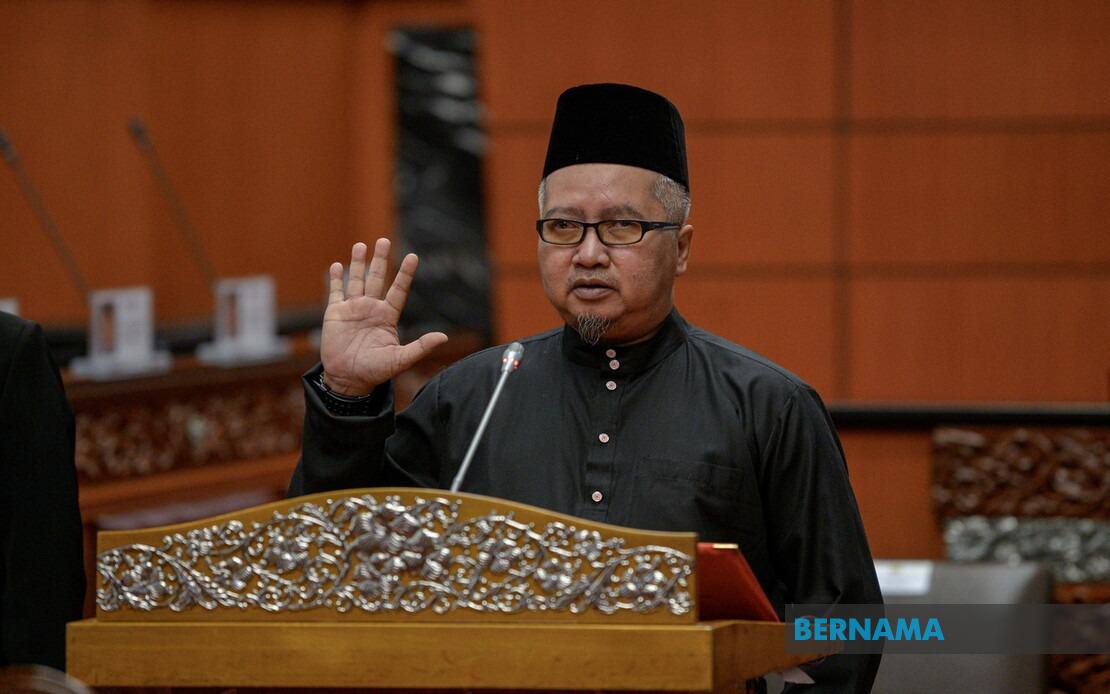
Senator Azahar Hassan has stepped down from his position as secretary of Perlis Parti Pribumi Bersatu Malaysia, marking another departure from the party in the state. The resignation took effect immediately, as announced in Kangar on July 9, with Azahar citing a careful review of current political developments and his personal convictions as the basis for his decision to leave the party.
In his statement, Azahar emphasised that the move reflected his core principles and the trajectory he wished to pursue within Malaysia's political landscape. He did not elaborate extensively on the specific factors that prompted his departure, but indicated that his choice aligned with a broader vision for political struggle that he personally endorses. This measured language suggests a controlled exit rather than a contentious split, though it provides limited detail about tensions or disagreements that may have influenced his thinking.
Despite severing ties with Bersatu's organisational structure, Azahar made clear that he intends to retain his seat in the Dewan Negara and fulfil his responsibilities to the people of Perlis. This distinction is significant, as it allows him to maintain his legislative role and continue contributing to debates and votes in the upper house while operating independently of party machinery. His continued tenure as a senator underscores that the resignation targets his party membership and leadership position rather than his broader parliamentary mandate.
Azahar was appointed to the Dewan Negara through nomination by the Perlis State Legislative Assembly on October 10, 2024, meaning his tenure as a senator is relatively recent. The timing of his departure, occurring less than nine months into his appointment, suggests that any concerns about Bersatu's direction or his own political vision crystallised fairly quickly after taking office. New senators sometimes use their initial months to assess whether their party alignment remains appropriate, and Azahar's early exit indicates such a reassessment took place.
The resignation adds to a pattern of shifting allegiances within Bersatu's Perlis chapter, reflecting broader instability within the party across several states. Bersatu, led by Tan Sri Muhyiddin Yassin, has experienced periodic defections and internal reorganisation since its formation, and the Perlis branch has not been immune to these dynamics. Leadership changes and departures by significant figures can indicate either disagreements over party direction or strategic repositioning as politicians seek better platforms for their ambitions.
For Perlis, the departure means that Bersatu loses the administrative and symbolic presence of its state secretary, a position typically held by someone with significant political standing. This administrative gap may create operational challenges within the party structure, particularly if a successor is not promptly appointed. State secretaries usually serve as crucial coordinators between the party leadership in Kuala Lumpur and grassroots members and candidates at the state level.
From a broader Malaysian political perspective, such resignations highlight the fluidity within coalition and independent party structures. Politicians increasingly view party membership as a means to an end rather than a lifelong commitment, especially when they perceive misalignment between their personal vision and party direction. This flexibility, while enabling politicians to respond to changing circumstances, also complicates efforts by parties to maintain stable membership bases and coherent organisational identities.
Azahar's continued service in the Dewan Negara raises questions about whether he might eventually join another political party, remain as an independent senator, or potentially provide external support to a different political entity. Malaysian law permits senators to change party affiliation or operate without party endorsement, giving him substantial latitude. His decision to explicitly state his intention to continue serving Perlis residents suggests he wishes to maintain credibility as a public servant even as he repositions himself politically.
The resignation also occurs within the context of ongoing political realignments in Malaysia, where coalition structures continue to evolve following the 2022 general election and subsequent shifts in power dynamics. Perlis, as one of Malaysia's smaller states, often experiences political changes that reflect broader national trends, and Azahar's departure may be symptomatic of wider recalibrations within Bersatu as the party navigates its role within and outside the Perikatan Nasional coalition.
Looking forward, the significance of this departure depends partly on whether Azahar subsequently joins another political party or remains independent. If he moves to a rival party or to the opposition, Bersatu loses not only an administrator but also a potential voice capable of advocating for party positions in the Dewan Negara. Alternatively, if he remains unaffiliated, he joins a small group of independent senators who can occasionally influence legislative outcomes by voting strategically on important measures.
For Perlis residents and observers monitoring state-level politics, Azahar's continued commitment to his senate role provides continuity in representation regardless of his party status. However, his departure from Bersatu removes an avenue through which the party could directly shape his legislative priorities and coordination efforts. This underscores the distinction between holding elected or appointed office and holding party position—the former carries responsibilities to constituents or communities, while the latter involves partisan obligations that may diverge from broader public service mandates.

