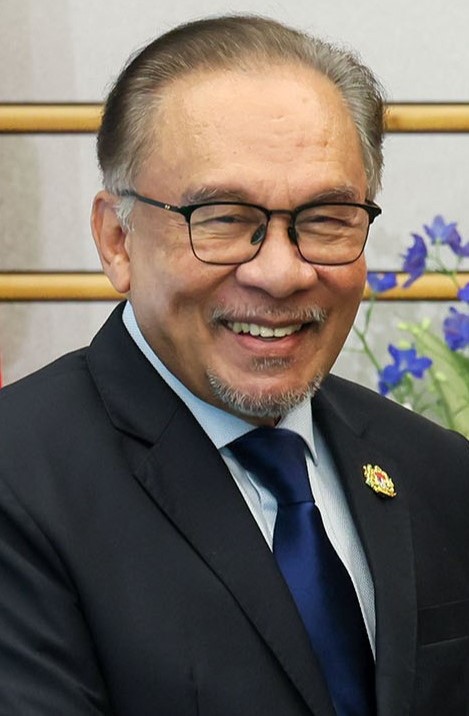
Perikatan Nasional coalition leaders departed their seat allocation negotiations in Kuala Lumpur today in a notably upbeat mood, with multiple senior figures indicating that discussions surrounding the division of electoral positions for the Johor state election have been successfully resolved. The completion of these talks at Pas headquarters marks a significant milestone for the three-component coalition as it prepares for the upcoming contest in one of Malaysia's most politically significant states.
Seat allocation negotiations within multi-party coalitions traditionally represent some of the most delicate moments in electoral politics, as each component party seeks to secure positions that maximise their parliamentary representation and regional influence. The absence of visible tension or public disagreement emerging from today's meeting suggests that the Perikatan Nasional partners have navigated these discussions more smoothly than observers might have anticipated, particularly given the competitive dynamics that often characterise such negotiations in Malaysian politics.
The Johor state election carries particular weight within the broader Malaysian political landscape. The state has traditionally served as a bellwether for national political sentiment, and control of Johor's legislative assembly influences the balance of power in national parliament through its sizeable bloc of state representatives and elected officials. For the Perikatan Nasional coalition, which comprises Pas, Bersatu, and Gerakan, securing a strong performance in Johor represents a crucial test of their cohesion and electoral appeal ahead of any potential general election.
The positive atmosphere emanating from today's negotiations stands in contrast to the fractious seat allocation processes that have sometimes characterised other coalition arrangements in recent Malaysian electoral history. When multiple parties with distinct organisational structures and regional strongholds attempt to agree on candidate selections and seat distributions, disagreements frequently spill into public discourse, damaging coalition credibility and signalling to voters that internal divisions may undermine governance effectiveness.
Pas, as the largest component of the Perikatan Nasional coalition, likely played a central role in facilitating agreement, given its substantial parliamentary presence and organisational reach across multiple Malaysian states. The Islamic party's willingness to accommodate the ambitions of Bersatu and Gerakan would have been essential to reaching today's settlement, demonstrating the kind of pragmatic compromise necessary for coalition stability.
Bersatu, positioned as the second major component, brings its own regional influence and the historical significance of being associated with former Prime Minister Mahathir Mohamad's political vehicle, which retains resonance with certain voter demographics. The party's satisfaction with the seat negotiations suggests it has secured positions that reflect its current parliamentary strength and strategic importance within the coalition framework.
Gerakan's participation in the Perikatan Nasional arrangement represents its attempt to revitalise political relevance after years of declining electoral fortunes. The party's leaders have consistently sought to leverage coalition membership as a pathway to renewed parliamentary representation. Their positive statements following today's negotiations likely indicate that they have received candidate nominations in constituencies where they maintain competitive viability.
The implications of smooth coalition negotiations extend beyond immediate electoral considerations. A harmonious resolution to seat allocation demonstrates to the electorate that the Perikatan Nasional coalition possesses the internal discipline and shared strategic vision necessary for collaborative governance. Malaysian voters have historically punished coalitions that display public acrimony or appear unable to manage internal disagreements, viewing such divisions as indicators of potential governance dysfunction.
For the broader Malaysian political landscape, the successful conclusion of these negotiations may influence how other political coalitions approach their own seat allocation processes. If Perikatan Nasional can demonstrate that principled negotiations and mutual respect among coalition partners yield satisfactory outcomes for all components, this could establish a template for more constructive inter-party dialogue across the political spectrum.
The Johor state election thus assumes significance not merely as a contest for legislative control but as a test case for coalition politics in contemporary Malaysia. The relatively smooth resolution of seat negotiations suggests that Perikatan Nasional has invested considerable effort in pre-negotiation discussions, seeking consensus before formal talks commenced, thereby avoiding the public disputes that can undermine coalition credibility.
Moving forward, the coalition's focus will shift toward campaigning and voter mobilisation across Johor's constituencies. The positive disposition of coalition leaders emerging from today's meeting provides a foundation of unity from which to conduct electoral activities. Voters observing coalition harmony are generally more inclined to view that coalition as a coherent and capable alternative government compared to coalitions displaying visible internal conflict.
The successful navigation of seat negotiations also reflects the maturation of Malaysian coalition politics, where parties increasingly recognise that preserving partnership stability serves long-term political interests better than pursuing short-term seat maximisation that might fracture working relationships. This perspective bodes well for coalition sustainability through the election campaign and potentially into any subsequent governing arrangement in Johor.