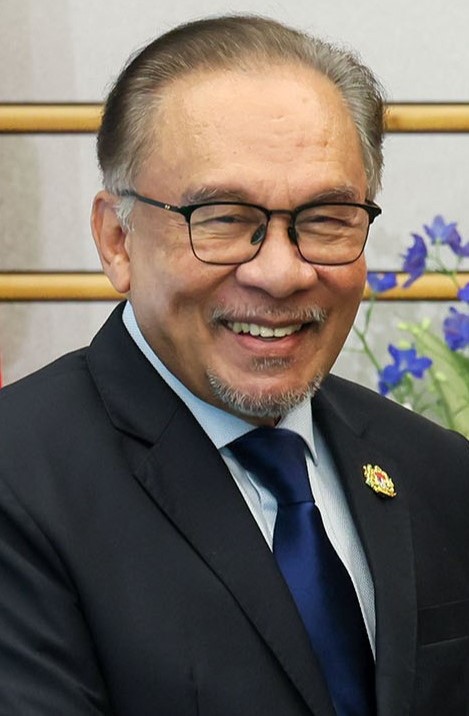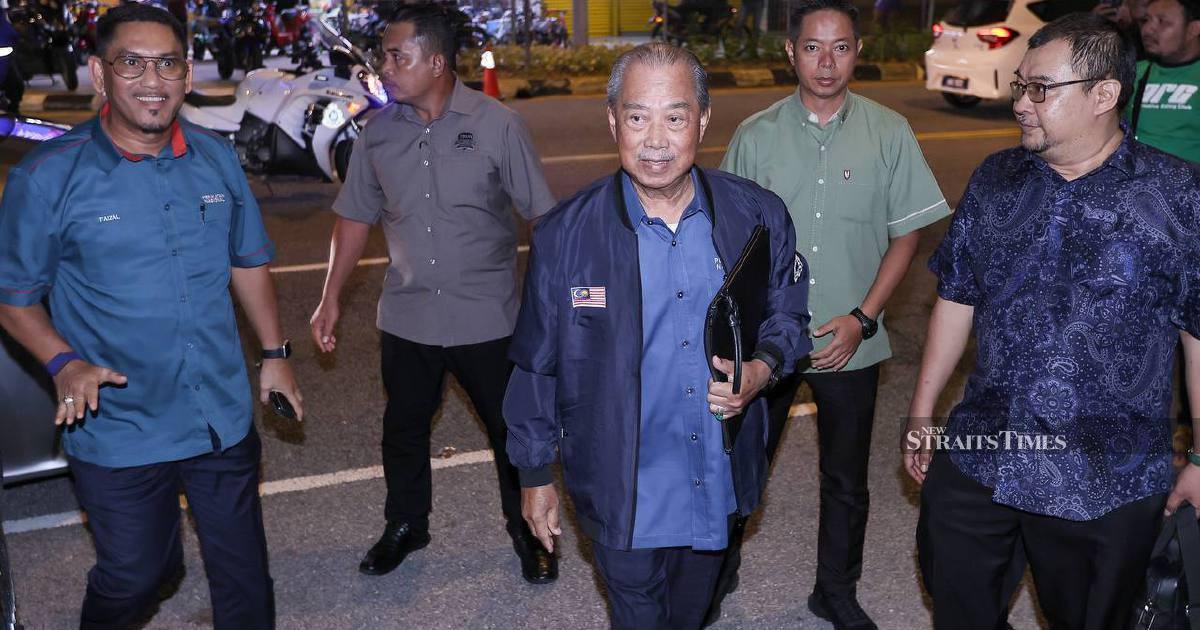
The Perikatan Nasional coalition convened an emergency session of its top decision-making body on Monday evening at PAS headquarters in Kuala Lumpur, a move that underscores mounting pressure on the opposition alliance to address critical issues threatening its cohesion and electoral prospects. The timing of such an unscheduled gathering typically signals that PN leadership faces circumstances demanding immediate collective response—whether stemming from internal disputes, defections, or external political developments that could alter the coalition's standing in Parliament or among voters.
PN has operated as the primary opposition coalition since the 2022 general election, assembling PAS, Bersatu, and several smaller parties into a partnership aimed at challenging Barisan Nasional's dominance. The alliance achieved significant gains in several states and demonstrated capacity to mobilise conservative and Malay-Muslim constituencies, yet remains fragile as its component parties balance individual ambitions with collective strategy. Emergency summits of the Supreme Council—the coalition's top governing organ—occur infrequently and typically indicate that routine mechanisms for resolving disagreements have proved insufficient.
The choice to meet at PAS headquarters rather than neutral ground may carry symbolic significance within PN's internal dynamics. PAS, as the largest party by membership and the most culturally influential, holds substantial sway over coalition direction. Holding the session at the Islamic party's premises could reflect its leading role in addressing whatever triggered the emergency gathering, or alternatively might suggest efforts by other parties to demonstrate unity around decisions already shaped by PAS leadership.
Regional analysts have noted that Malaysian opposition coalitions historically struggle with sustainability, particularly when component parties occupy ideologically distinct positions or when electoral incentives reward individual rather than collective performance. The 2023 Selangor elections and ongoing manoeuvres toward the next general election have intensified pressure on PN members to secure strategic advantage. Questions surrounding power-sharing arrangements, candidate selection, and policy direction frequently trigger leadership-level interventions of precisely this nature.
For Malaysian voters and observers, the emergency summons carries relevance beyond internal coalition management. PN's stability—or lack thereof—shapes the competitive landscape facing the ruling Barisan Nasional government under Prime Minister Anwar Ibrahim. A weakened opposition may enable the government greater legislative flexibility, whilst a united PN could constrain policy options and amplify political contestation in Parliament and state assemblies.
International observers tracking Southeast Asia's democratic governance have paid increasing attention to Malaysian coalition politics, viewing intra-party negotiations and opposition movements as bellwethers for institutional resilience. The frequency and necessity of emergency meetings within opposition structures sometimes indicates underlying institutional weakness or poor coordination mechanisms—factors that may bear consequences for long-term political stability across the region.
The Supreme Council comprises PN's most senior figures across constituent parties, including leadership from PAS, Bersatu, and smaller allied organisations. Their ability to reach consensus during high-pressure sessions determines whether the coalition can present unified public messaging or whether divisions become apparent to party members and supporters. Historically, emergency sessions that fail to produce clear resolutions often signal deeper fractures that subsequently manifest in parliamentary behaviour, campaign difficulties, or membership attrition.
For the broader Malaysian political ecosystem, PN's current trajectory intersects with several longer-term trends. Economic pressures facing ordinary Malaysians have animated political engagement, particularly among younger voters and urban constituencies where PN has sought expansion beyond its traditional base. The coalition's capacity to maintain discipline and unity whilst competing for this emerging electoral terrain remains uncertain, particularly as individual component parties eye opportunities to contest certain constituencies independently.
The emergency meeting's outcomes, once communicated through official statements or reflected in subsequent political actions, will provide important signals regarding PN's coherence heading toward anticipated electoral contests. Whether leaders emerge projecting reinforced solidarity or acknowledging unresolved tensions will shape media narratives, party member morale, and voter perceptions of opposition viability. Malaysian politics remains highly personalised around individual leaders and factional dynamics within parties; the Supreme Council's deliberations therefore carry significance extending well beyond procedural governance into the realm of competitive electoral positioning.