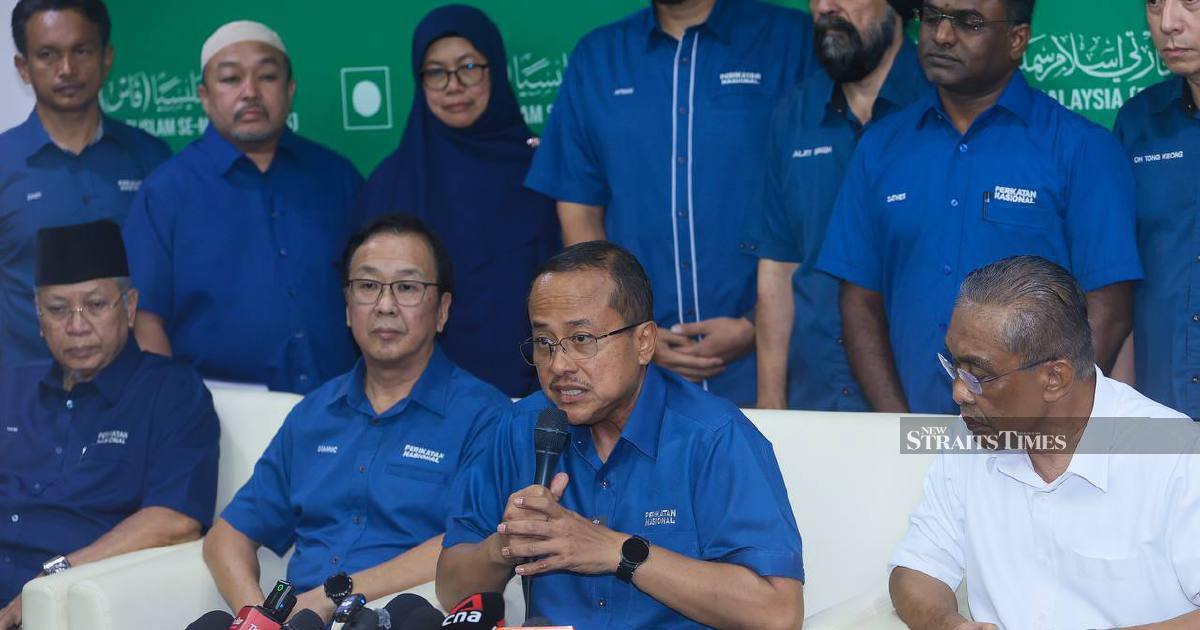
Perikatan Nasional has expanded its coalition membership following an emergency Supreme Council meeting in Kuala Lumpur, accepting two additional political parties into its ranks. The move was confirmed by PN chairman Datuk Seri Dr Ahmad Samsuri Mokhtar, marking a significant development in the coalition's ongoing consolidation efforts as it seeks to strengthen its political footprint across Malaysia.
The acceptance of these two parties reflects PN's continued strategy to broaden its appeal and expand its support base, particularly as the coalition navigates the complex dynamics of Malaysia's multi-party political landscape. Such expansion moves are typically pursued to enhance electoral competitiveness and increase representation across different constituencies and demographic groups. However, the decision to bring new members into the fold comes at a time when the coalition faces unresolved internal matters that could shape its future direction and public perception.
Despite the positive momentum of accepting new members, several critical issues remain on the backburner following the emergency meeting. Most notably, the coalition has not yet deliberated on its broader vision and strategic direction—fundamental questions that typically guide a coalition's messaging and policy priorities going forward. Without a clearly articulated and collectively endorsed vision, coalitions often struggle to present a unified front to voters and may find it difficult to differentiate themselves from rival political groupings.
Equally significant is the unresolved matter of PN's logo and branding identity. In Malaysian politics, a coalition's visual identity and the symbolism it carries play important roles in voter recognition and party identification. The logo represents not only the coalition itself but also its values and positioning relative to other political entities. The fact that this remains undecided suggests internal discussions about coalition direction and branding strategy are still ongoing, potentially indicating differing views among member parties about how PN should present itself to the electorate.
Datak Seri Dr Ahmad Samsuri Mokhtar's acknowledgment that these matters were not discussed during the meeting indicates a deliberate prioritization of membership expansion over foundational questions. This sequencing raises questions about whether the coalition views consolidation of numbers as more immediately pressing than achieving consensus on broader strategic matters. The decision-making order can sometimes reflect the relative urgency and importance different coalition leadership assigns to various issues.
The emergency nature of the Supreme Council meeting itself warrants attention, as such gatherings are typically convened when time-sensitive matters require immediate attention from the coalition's highest decision-making body. The fact that membership expansion warranted emergency-level deliberation suggests the incoming parties or the timing of their admission carried particular significance for PN's strategic calculations at this juncture in Malaysia's political calendar.
For observers of Malaysian politics, the timing and composition of these two new parties could provide insight into PN's targeting strategy. Different party profiles and constituency bases would suggest different strategic objectives—whether PN is seeking to consolidate support among particular voter demographics, expand into new geographic areas, or strengthen its presence at state and federal levels. The identities of the incoming parties will likely shape the trajectory and implications of this expansion.
The unresolved questions about vision and logo take on added importance given Malaysia's complex and dynamic political environment. The country's political coalitions must navigate a landscape shaped by ethnic and religious sensitivities, federal-state relationships, and shifting voter preferences. A coalition without a clearly defined and communicated vision may struggle to maintain cohesion among diverse member parties or present a compelling narrative to swing voters who will be crucial in determining electoral outcomes.
Historically, Malaysian political coalitions have sometimes experienced tensions between expansion and consolidation—bringing new members aboard without first achieving consensus on direction can lead to internal friction when members lack agreement on fundamental principles or priorities. The deferred discussion of PN's vision and branding suggests this potential challenge may require attention in subsequent coalition meetings and deliberations.
Moving forward, PN's leadership faces the task of determining when and how to address the outstanding issues of coalition vision and branding. These conversations will likely be crucial in ensuring that the newly expanded membership aligns with the coalition's strategic direction and that PN can effectively communicate its identity and platform to Malaysian voters. The next phase of coalition development will likely involve intensive discussions aimed at crafting a unified vision that can accommodate the diverse interests and perspectives of both established and newly integrated member parties.