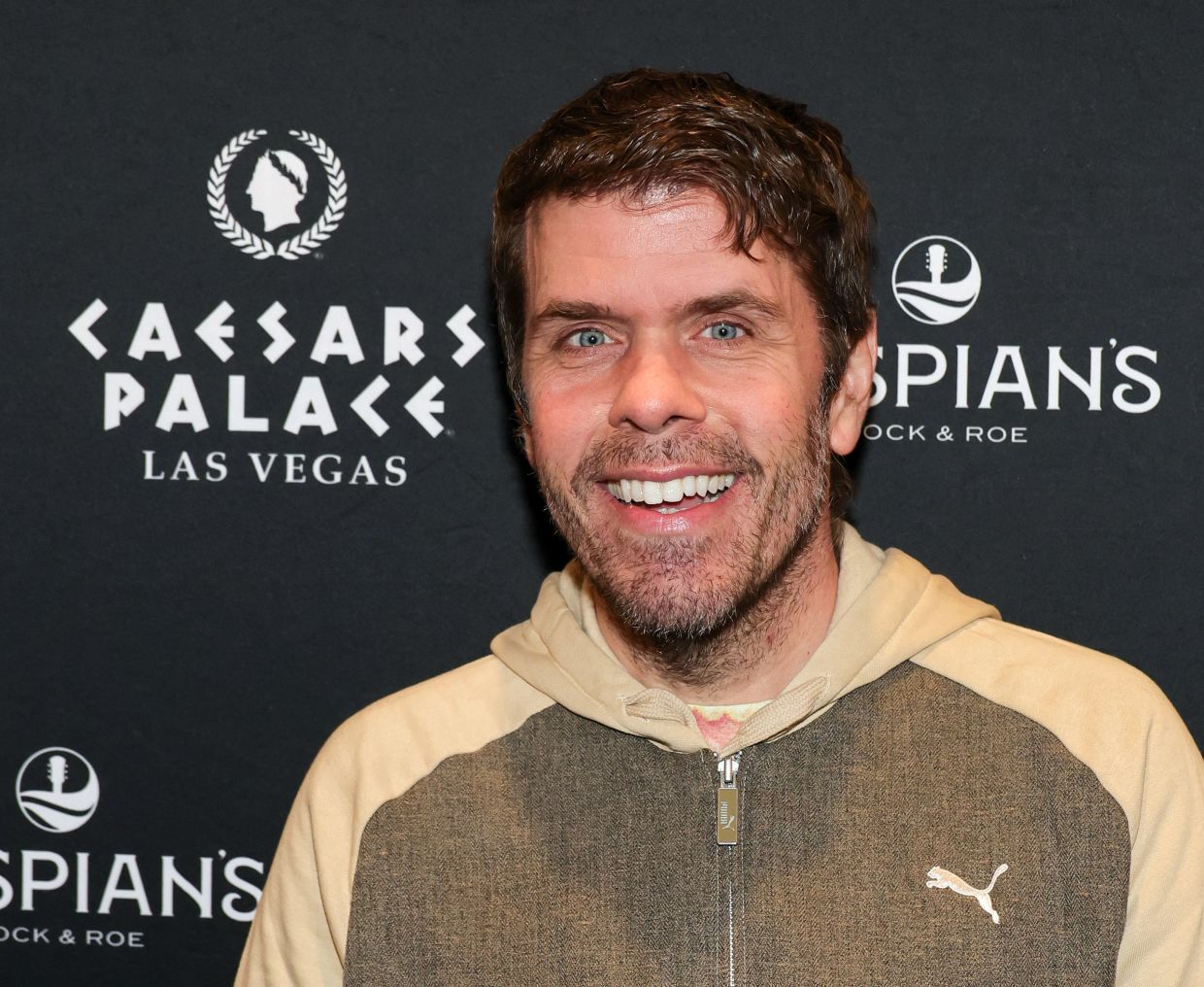
The family of celebrity blogger Perez Hilton has made a direct appeal to media outlets and paparazzi for privacy and distance, disclosing that his children were at home during a mental health emergency that prompted police intervention at his Miami residence earlier this week. The unexpected intervention of young family members in what became a public crisis has sharpened the family's concerns about allowing space for psychological healing and recovery away from media scrutiny.
In a statement released Thursday via Hilton's website, the family described the preceding days as having been "nearly unbearable," underlining the emotional toll the situation has exacted on those closest to the celebrity influencer. They detailed that Hilton's three children, along with his niece and sister, had been inside the residence when signs of acute psychological distress began manifesting, necessitating a rapid evacuation to shield the younger family members from further exposure to traumatic events. The family's disclosure provides crucial context about the severity and scope of the incident, indicating that this was not an isolated episode but rather one that directly endangered family safety.
On Tuesday evening, emergency services descended on Hilton's Miami property following reports from concerned viewers who witnessed a disturbing self-harm incident broadcast live on TikTok. The footage showed Hilton engaging in self-injury using sharp implements including a box cutter and knife, prompting rapid response from both alarmed social media users and platform moderators. This type of public crisis—where mental health emergencies unfold in real-time across social platforms accessible to millions—presents unique challenges for emergency responders, family members, and the individual experiencing distress, as the crisis inherently becomes visible to vast audiences simultaneously.
By approximately 9 p.m., personnel from the Miami-Dade Sheriff's Office and Miami-Dade Fire Rescue successfully intervened, safely retrieving Hilton from the scene and transporting him to a local hospital for immediate medical evaluation and psychiatric assessment. The coordinated emergency response highlighted the seriousness with which authorities treated the incident, deploying substantial resources to ensure the safety of both Hilton and those in his immediate vicinity.
The family's formal request for media withdrawal from the residential area reflects broader concerns about enabling psychological recovery in an age of persistent paparazzi presence and digital documentation. They characterised the restoration of normalcy and security for the children as contingent upon freedom from external observation and intrusion, positioning privacy as a therapeutic necessity rather than mere preference. The statement specifically addressed photographers, media personnel, content creators, and the general public, requesting a complete cessation of surveillance activity near the family home.
While detailed information about Hilton's medical condition remains limited, the family indicated that they have been able to confirm his capacity for communication—a detail they highlighted as a source of cautious optimism during an otherwise grave situation. This disclosure suggests that despite the severity of the mental health crisis, Hilton's cognitive and communicative faculties remain intact, a distinction that carries significant implications for his recovery trajectory and prognosis.
The timing of the crisis is particularly resonant given recent public statements Hilton made regarding personal transformation and spiritual awakening. During a recent interview with conservative political commentator Sean Hannity, recorded weeks before the incident, Hilton reflected extensively on his decades-long career as a celebrity gossip blogger and the psychological drivers underlying his approach to content creation. He characterised his relentless pursuit of attention as an addiction, acknowledging that his methodology frequently caused harm to prominent public figures who became targets of his coverage.
Hilton described a deliberate recalibration of his personal and professional conduct, claiming that he had worked to make amends with several celebrities he had previously targeted, including pop icon Britney Spears and television personality Khloe Kardashian. He recounted a particularly consequential apology to actor Neil Patrick Harris, whom Hilton had aggressively attempted to publicly "out" as gay in 2006—years before Harris himself publicly disclosed his sexuality. The willingness of these high-profile figures to accept Hilton's apologies, according to his account, represented validation of his stated commitment to ethical reformation.
Hilton attributed much of his recent philosophical and spiritual transformation to a severe health crisis in March, when he required hospitalisation for acute sepsis—a life-threatening bacterial infection—necessitating three weeks of intensive medical care. During that period, he reported experiencing a profound spiritual encounter that he described as a direct experience of divine presence. Following his discharge, Hilton leveraged his platform to document this spiritual awakening, including launching a religious merchandise line and discussing his evolving relationship with faith across multiple podcast appearances.
The juxtaposition between Hilton's recent public narrative of personal redemption and spiritual growth, and the acute mental health emergency that unfolded this week, illustrates the complex reality that public declarations of transformation do not necessarily insulate individuals from psychological crises. The incident raises questions about the psychological burdens carried by those who built their careers on a foundation of public scrutiny and documented transgression, and whether spiritual or philosophical frameworks alone can adequately address underlying mental health vulnerabilities.
For Malaysian and Southeast Asian audiences, the incident carries relevance beyond celebrity gossip, highlighting the psychological costs of digital-age celebrity and the particular vulnerabilities created when personal crises unfold across social media platforms with global reach. The family's appeal for privacy also underscores ongoing tensions between media access, public interest, and the rights of private citizens—including children—to protection from unwanted documentation and surveillance, tensions that resonate increasingly across the region as digital platforms proliferate and paparazzi culture intensifies.

