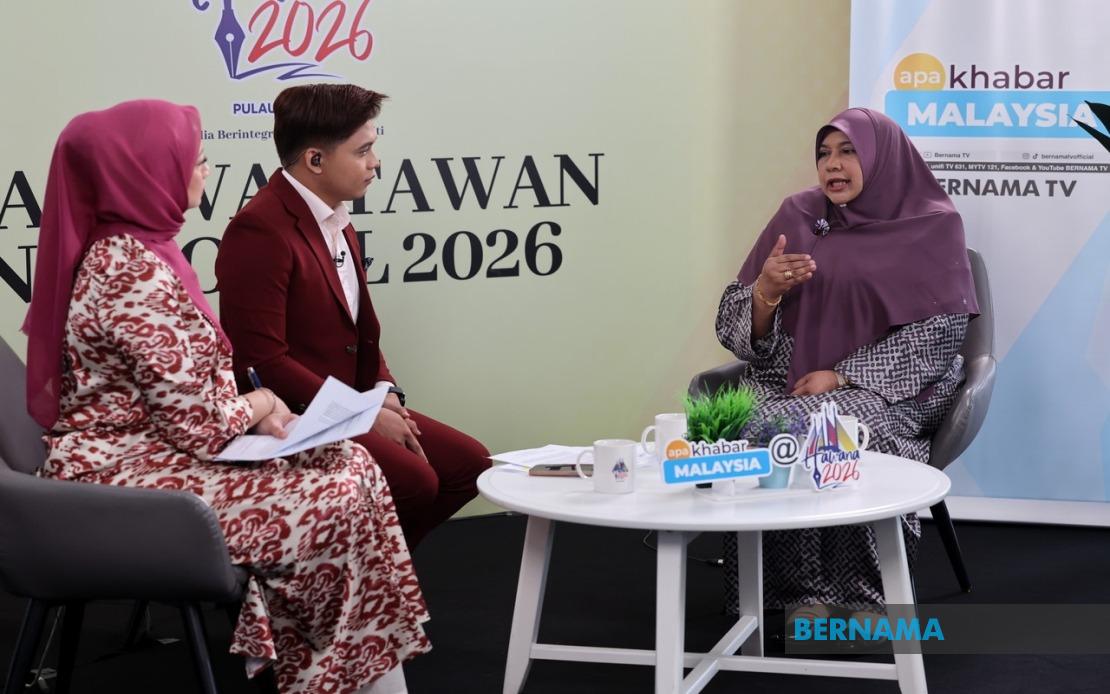
The Malaysian media industry converges on Penang tomorrow for the grand finale of HAWANA 2026, an annual national celebration that brings together journalists and communications professionals to recognise the critical role of the media in society. Approximately 1,000 media practitioners from Malaysia and abroad will gather at the summit, which carries the theme "Media Integrity Strengthens Credibility" and will be formally opened by Prime Minister Datuk Seri Anwar Ibrahim at 3 pm. The event underscores a commitment to honouring journalism as a cornerstone institution that delivers information with both integrity and credibility—values increasingly vital in an era of misinformation and competing narratives.
The gathering will draw senior government figures and industry leaders, with Penang Chief Minister Chow Kon Yeow, Communications Minister Datuk Fahmi Fadzil, and Communications Ministry secretary-general Datuk Abdul Halim Hamzah among those confirmed to attend. Malaysian National News Agency (Bernama) chairman Datuk Seri Wong Chun Wai and chief executive officer Datin Paduka Nur-ul Afida Kamaludin will also be present, alongside top management from major local media organisations. This high-level participation reflects government recognition of the media's institutional importance and its collaborative relationship with the fourth estate in shaping public discourse.
Nur-ul Afida, serving as chairman of the HAWANA 2026 Working Committee, emphasised that the summit transcends mere recognition of journalistic achievement. Rather, it functions as a dynamic platform where media professionals strengthen professional networks, deepen friendships across newsrooms, and build bridges with the broader community. By creating spaces for genuine dialogue between journalists and the public, HAWANA transforms from a ceremonial occasion into a working laboratory for strengthening the relationship between media institutions and society. This approach acknowledges that media credibility cannot exist in isolation but must be continuously reinforced through transparency and engagement.
The organisers secured substantial support from MyCreative Venture, a ministry partner agency, which enabled the RIUH Pi HAWANA Carnival programme. This expanded the traditional media gathering into a three-day community festival at the PICCA Convention Centre, featuring performances by local artists including Exists, Bunkface, Masdo, Sakura Band, Budak Nakal Hujung Simpang, and Chelsea Ng. The carnival attracted over 24 creative product brands and 20 food and beverage vendors, complemented by interactive workshops. This integration of entertainment, commerce, and cultural elements reflects a strategy to make journalism and media narratives accessible and engaging for ordinary Malaysians who might otherwise remain disconnected from media sector conversations.
The summit schedule includes ceremonial components designed to recognise excellence and support those in need. Prime Minister Anwar will distribute contributions from Tabung Kasih@HAWANA to veteran journalists facing hardship, acknowledging that many practitioners navigate modest financial circumstances despite their societal contributions. The ceremony will also honour winners of the HAWANA-DBP Pantun Festival held on May 9, recognising that journalism exists within a broader cultural ecosystem. Recipients of the HAWANA Award and HAWANA Special Award will receive recognition for substantial contributions to journalism and their influence on public consciousness—a reminder that media impact extends beyond news cycles into the formation of informed citizenship.
The event's broadcast strategy amplifies its reach across Malaysia's diverse media landscape. Live coverage will stream on Bernama TV, with continued transmission through RTM and TV AlHijrah, while social media platforms extend engagement to digital audiences nationwide. This multi-channel approach acknowledges that modern Malaysian media consumption spans traditional television, streaming services, and social networks. The simultaneous broadcast ensures that journalists outside Penang, media students, journalism educators, and interested citizens can participate in real-time, transforming the physical summit into a national virtual gathering.
Earlier programming throughout the year built momentum toward this culmination. The HAWANA 2026 Media Forum on May 7 created space for substantive discussions on media challenges and opportunities. A Strategic Partner Meeting on June 4 convened stakeholders to align on messaging and priorities. The Fun Walk HAWANA 2026 on June 14 brought journalists and the public together in physical community space, demonstrating that media engagement need not remain confined to professional conferences or newsroom discussions. Each initiative was designed to maintain HAWANA's visibility and relevance throughout the year rather than concentrating attention on a single ceremonial moment.
Historically, HAWANA commemorates May 29 each year, marking the publication date of the inaugural Utusan Melayu newspaper in 1939. That date carries symbolic weight—it represents nearly nine decades of independent Malaysian journalism and the evolution from colonial-era publishing to a complex, multifaceted media ecosystem. By anchoring HAWANA to this historical moment, organisers situate contemporary journalism within a continuum of professional practice, reminding practitioners that their current obligations to accuracy, independence, and public service inherit from generations of Malaysian journalists who navigated their own technological and political challenges.
The Ministry of Communications, which organises HAWANA through Bernama as implementing agency, positions the event as a flagship platform for appreciating media practitioners' professionalism and their role as authoritative information providers. This framing reflects an understanding that media credibility—the theme chosen for 2026—cannot be assumed or declared from above but must be earned through consistent demonstration of competence, ethical standards, and public-mindedness. For Malaysian readers and media observers, HAWANA 2026 represents both a celebration of journalistic achievement and an affirmation that maintaining information standards remains essential to democratic function and social cohesion.
For Southeast Asian media sectors watching Malaysia's approach, HAWANA offers a model of how governments can support journalistic professional development without compromising editorial independence. The event brings together state resources and private sector participation while centring journalists' voices and concerns. The carnival component particularly demonstrates innovative thinking about how media engagement can transcend professional silos and reach ordinary citizens who increasingly navigate fragmented information environments. As regional media outlets contend with similar credibility challenges and audience fragmentation, the strategies deployed in HAWANA 2026 merit careful observation and potential adaptation.
Looking forward, the summit's emphasis on integrity and credibility addresses pressing contemporary concerns. Misinformation, deepfakes, and algorithmic manipulation increasingly challenge traditional journalism's gatekeeping authority. By gathering the media community to discuss these challenges collectively, HAWANA creates opportunities for practitioners to identify shared professional standards and mutual accountability mechanisms. The award presentations and recognition ceremonies remind journalists that excellence remains not only valued but publicly celebrated, reinforcing professional identity and commitment during a period when journalism globally faces economic pressures and public trust deficits. The Penang summit thus becomes more than a ceremonial gathering—it functions as a working session where Malaysian journalism collectively reasserts its commitment to the principles that justify its societal role.