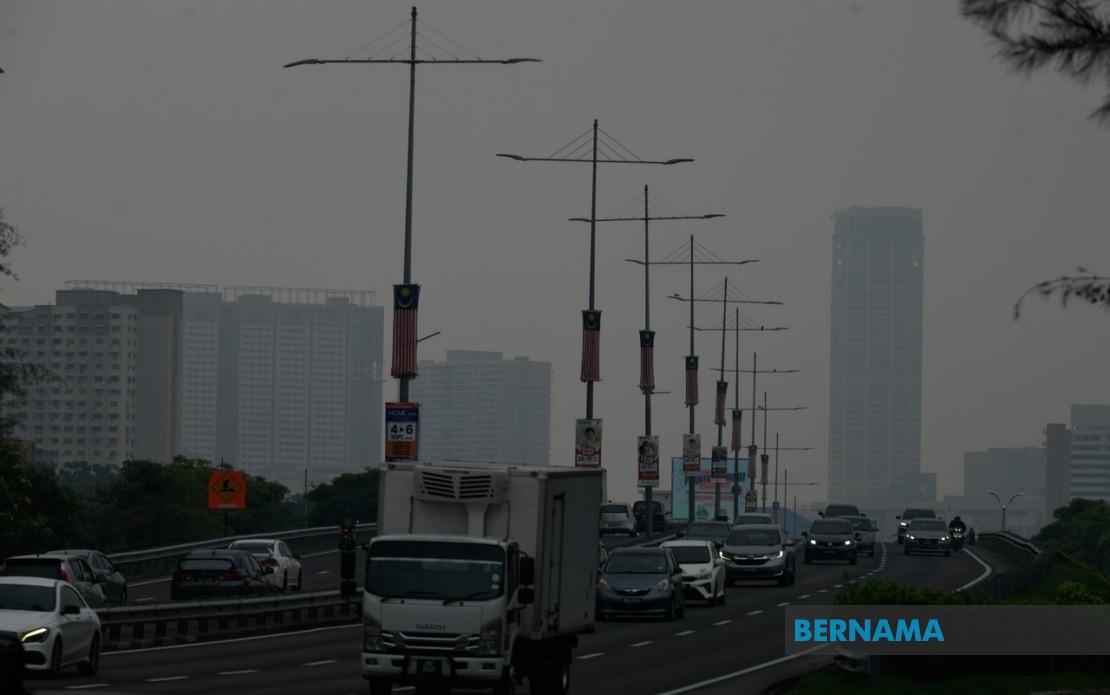
The Penang Education Department has issued comprehensive directives to all schools and district education offices throughout the state, requiring them to intensify precautionary measures as air quality continues to deteriorate from ongoing haze. The alert, issued late on August 25, underscores growing concerns about the health and safety implications of elevated pollution levels affecting the region's 800,000-plus school-going population and their educators.
At the centre of the department's response framework are specific Air Pollutant Index thresholds that trigger escalating restrictions. When API readings reach 100, schools must immediately halt all outdoor activities including sports, physical education classes, and playground usage. This baseline threshold reflects moderate pollution levels where prolonged outdoor exposure begins posing significant health risks, particularly for vulnerable populations such as children with asthma or respiratory conditions. The directive acknowledges that young people represent a particularly susceptible demographic, given their developing respiratory systems and higher metabolic rates during physical activity.
The most severe tier of the response protocol activates when API readings surpass 200, at which point schools must close their doors entirely and suspend all operations. This threshold aligns with national standards identifying readings above 200 as unhealthy for the general population. The department's clarification that schools need not wait for formal government announcements but should act independently when readings reach this level reflects a push for institutional autonomy in crisis response. Additionally, when API exceeds 500—reaching hazardous levels—teachers and implementing staff are excused from reporting to school, acknowledging that even protective measures cannot adequately safeguard adults during extreme pollution episodes.
Beyond activity restrictions and closure protocols, the Penang Education Department has prescribed a range of preventive health measures schools should implement immediately. Enhanced hydration ranks as a primary intervention, with schools instructed to maintain adequate drinking water supplies and actively encourage students to maintain fluid intake throughout the day. This approach recognises that increased water consumption helps mitigate some physiological effects of pollution exposure, though it remains a supplementary rather than primary protective measure.
The department has also highlighted the importance of identifying and protecting students with pre-existing health vulnerabilities. Educational institutions must exercise heightened vigilance toward children with documented respiratory conditions, allergies, or other health complications that pollution exacerbates. Staff have been directed to monitor all students closely for emerging symptoms—coughing, wheezing, eye irritation, or difficulty breathing—and to refer affected children for appropriate medical attention. This targeted approach acknowledges that blanket policies, while necessary, must be complemented by individualised attention to high-risk students.
Mask provision and usage represent another layer of the protective framework, though with cautious framing. Rather than mandating universal masking, the department encourages schools to distribute and promote appropriate face coverings among students and staff where circumstances permit. This measured language likely reflects practical challenges in sustaining consistent mask discipline among younger age groups while avoiding the socioeconomic inequities that could arise from unaffordable or unavailable protective equipment.
Transparency and coordination across the education system form critical pillars of Penang's response infrastructure. Schools have been instructed to maintain continuous monitoring of API readings through official Department of Environment channels and to report all haze-related developments and remedial actions undertaken to their respective District Education Offices and ultimately to state education headquarters. This reporting requirement establishes accountability while enabling real-time situational awareness across all administrative levels, facilitating rapid dissemination of additional guidance should conditions deteriorate further.
The directives come as the haze situation extends across Malaysia's western corridor and beyond. As of early afternoon on August 25, at least 29 locations nationwide registered unhealthy API readings, with three areas in Penang itself—Minden, Seberang Perai, and Balik Pulau—among the affected zones. The inclusion of multiple Penang districts indicates the pollution episode is regionally concentrated rather than isolated, suggesting schools across the state may need to implement restrictions simultaneously rather than in piecemeal fashion.
For Malaysian educational administrators and parents, Penang's proactive stance offers a template for managing recurring haze episodes, which have become an annual phenomenon affecting the region from late July through September. The clarity provided by specific API triggers removes ambiguity about when interventions activate, enabling schools to prepare contingencies in advance and communicate decisions to parents with minimal confusion. However, implementation challenges remain significant; maintaining consistent API monitoring, ensuring all schools understand and comply with directives uniformly, and managing the disruption to academic calendars from periodic closures continue testing the resilience of Malaysia's education system.

