Penang Port Commission has introduced a comprehensive framework governing how maritime vessels manage their waste at the port, marking a significant step toward making the facility an environmentally responsible maritime hub. The new Standard Operating Procedure establishes uniform requirements for handling the various streams of waste generated by ships, from hazardous materials to domestic refuse, with the goal of minimising pollution risks and advancing the port's sustainability credentials. The initiative represents a coordinated effort between port authorities and multiple government agencies to create accountability mechanisms that extend beyond the port's immediate boundaries.
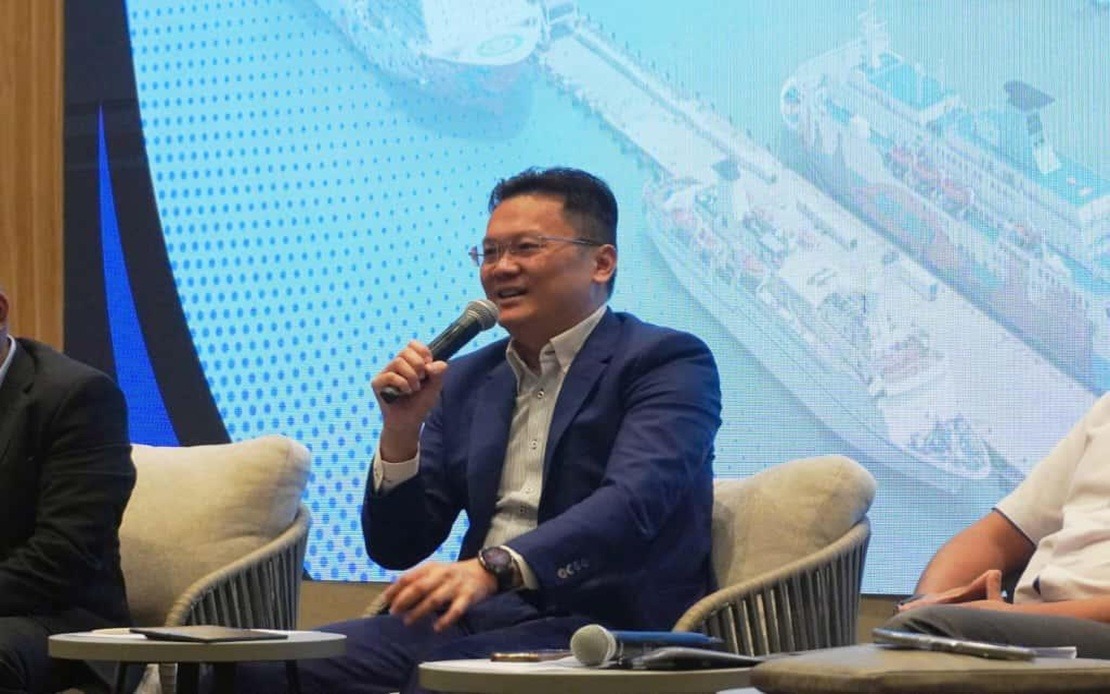
According to Penang Port Commission chairman Datuk Yeoh Soon Hin, the procedural framework aims to ensure that all waste handling activities at port terminals adhere to consistent standards, environmental legislation, and safety protocols. This standardisation is particularly important given the scale of maritime operations at Penang Port, where dozens of vessels may be conducting waste management activities simultaneously. The procedure serves to eliminate ad hoc approaches that could undermine environmental safeguards or create compliance gaps that expose the port to regulatory sanctions or reputational damage.
A critical component of the new framework involves mandatory licensing for all waste management companies operating within the port. Before commencing operations, prospective operators must secure approval from multiple regulatory bodies including the Department of Environment, National Water Services Commission (SPAN), Royal Malaysian Customs Department and relevant local authorities. This multi-layered approval process ensures that only competent, properly vetted entities handle hazardous and regulated waste streams, reducing the likelihood of environmental incidents or improper disposal practices that could contaminate Penang's coastal waters.
The procedure categorises maritime waste into three distinct classifications to enable more targeted and appropriate handling strategies. Scheduled waste from ships—which encompasses hazardous materials requiring specialist management—is treated separately from domestic waste such as food scraps and packing materials, and from sewage waste generated during vessel operations. This differentiation allows operators to employ disposal methods specifically suited to each waste category's environmental and safety implications, rather than applying a one-size-fits-all approach that might be inadequate for hazardous materials or unnecessary for benign domestic refuse.
Operators bear full responsibility for verifying the quantities of waste they receive from vessels and must maintain meticulous documentation throughout the handling process. After completing disposal or discharge operations, they are obligated to submit declaration documents to both the Penang Port Commission and relevant regulatory agencies. This requirement creates an auditable trail that allows authorities to track waste streams from their point of generation aboard ships through to their final disposal, enabling enforcement action against any operators who attempt to circumvent proper procedures or falsify records.
The initiative aligns with Transport Minister Anthony Loke's broader vision of transforming Malaysian ports into environmentally sustainable maritime facilities. This Green Port aspiration seeks to position the nation's port infrastructure as leaders in environmental stewardship within Southeast Asia, potentially enhancing Malaysia's competitive advantage in attracting environmentally conscious shipping lines and cargo operators. The implementation at Penang Port serves as a model for other Malaysian ports considering similar measures, establishing precedents for rigorous environmental management in maritime operations.
By establishing these procedural requirements, Penang Port Commission aims to substantially reduce the risk of marine pollution stemming from improper waste disposal. The coastal waters surrounding Penang, already facing pressure from industrial activity and urban development, would benefit from more stringent controls over ship-generated pollution. Maritime waste, when mismanaged, can directly contaminate fisheries, degrade marine ecosystems, and pose health risks to coastal communities dependent on sea resources. The new standards represent a preventive approach rather than waiting to address environmental damage after it occurs.
The framework also encourages adoption of more responsible waste management and recycling practices throughout the shipping industry. By mandating that only approved disposal facilities may be used and requiring post-operation reporting, the system creates incentives for operators to minimise waste generation and maximise recycling of recoverable materials. Over time, this could drive behavioural change among shipping companies, encouraging them to load vessels more efficiently and implement waste reduction strategies to lower their disposal costs at Penang Port.
Penang Port Commission has committed to actively monitoring implementation of the new procedures through regular inspections and audits of licensed operators. This enforcement capability is essential to ensuring that the procedural requirements translate into actual environmental protection rather than existing merely as formal regulations that operators ignore in practice. The commission plans to leverage technological innovations and industry best practices to further enhance waste reduction and recycling capabilities as the sector evolves.
The broader context for this initiative reflects growing international pressure on ports to demonstrate environmental responsibility. Maritime organisations worldwide are increasingly expected to adopt stringent pollution controls, and major shipping lines factor port environmental standards into their route planning decisions. By implementing rigorous ship waste management procedures, Penang Port positions itself competitively within global maritime markets while fulfilling its obligations as a responsible operator in Malaysia's coastal environment. The measure demonstrates how regulatory frameworks can simultaneously advance environmental protection and commercial competitiveness when properly designed.

