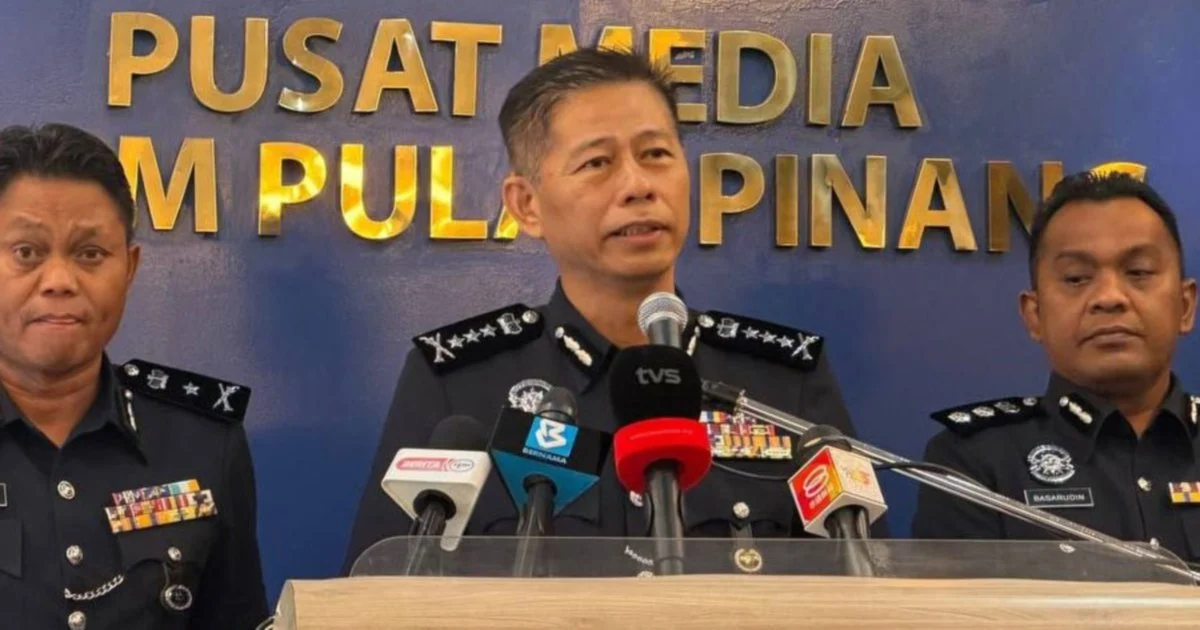
Law enforcement authorities in Penang are preparing to sharpen their focus on combating illegal betting rings as the FIFA World Cup tournament reaches its deciding phase. The Penang Police Department has signalled its intention to launch a more aggressive campaign targeting underground gambling networks that typically surge during major international sporting events. This escalation follows the arrest of 31 individuals across the state who are suspected of involvement in unlicensed wagering activities.
The timing of the crackdown reflects a growing concern among Malaysian law enforcement agencies about the proliferation of illegal gambling during high-profile international tournaments. Major sporting events like the World Cup create perfect conditions for underground betting syndicates to operate, as millions worldwide follow the matches and place wagers on outcomes. Penang, as one of Malaysia's most densely populated and commercially active states, has historically been a focal point for such illegal activities, necessitating consistent police vigilance.
Illegal betting operations in Malaysia operate through various channels, from informal neighbourhood networks to sophisticated online platforms that remain difficult to trace. The World Cup period witnesses a marked intensification in such activities, with operators recruiting new participants and expanding their customer base. Police agencies across the country have acknowledged that during major tournaments, the scale and complexity of gambling operations increase substantially, requiring enhanced detective work and intelligence gathering to dismantle them effectively.
The 31 arrests made so far represent a baseline from which Penang police intend to build. Rather than viewing these apprehensions as the conclusion of efforts, authorities are treating them as initial success that should propel further operations. The pattern suggests that police have already identified networks and suspect individuals, positioning them well to conduct follow-up raids and arrests in coming weeks. This reactive approach, refined through experience, allows law enforcement to target specific gambling hotspots and known organisers.
Enforcement against illegal gambling carries particular significance in the Malaysian context, where such activities are strictly prohibited under federal law. Beyond the legal framework, authorities emphasise the social consequences of unregulated betting, which can lead to financial ruin for vulnerable individuals and families. During tournament periods when excitement and emotional attachment to matches intensify, problem gambling escalates dramatically, with participants often borrowing money or depleting savings in pursuit of big wins.
The intensification of Penang police operations will likely involve increased surveillance, targeted raids on suspected gambling locations, and enhanced monitoring of online betting platforms accessible to Malaysian residents. Police may also coordinate with telecommunications companies and financial institutions to trace money flows associated with illegal gambling operations. Intelligence-sharing with other state police contingents and federal agencies expands the geographical reach of the crackdown beyond Penang's borders.
For Malaysian football fans and casual bettors, the enhanced police presence serves as a reminder that participation in illegal gambling carries legal and personal risks. Individuals caught betting illegally can face fines and imprisonment under the Common Gaming Houses Act and related legislation. Beyond legal consequences, involvement with illegal betting networks exposes participants to loan sharks, corruption, and organised crime elements that often operate these underground systems.
The World Cup's final stages present a critical juncture for enforcement priorities. As the tournament narrows toward knockout matches and eventually the championship game, excitement and wagering activity reach their highest peaks. Semi-finals and the final match generate unprecedented betting volumes, making these periods prime targets for police operations. Authorities understand that disrupting betting rings during these high-value matches maximises deterrent impact and prevents the largest cash flows from circulating through illegal channels.
Beyond immediate enforcement, Penang police are likely coordinating broader public awareness campaigns encouraging citizens to report suspected gambling operations to authorities. Community engagement forms a crucial component of sustained anti-gambling efforts, as many illegal operations depend on local tolerance and participant discretion. When residents understand the harms associated with unlicensed betting and feel empowered to report suspicious activities, police capacity to address the problem multiplies exponentially.
The broader Southeast Asian context shows similar patterns of police enforcement during major tournaments. Thailand, Singapore, and Indonesia have all reported intensified gambling-related operations during World Cup periods, suggesting this represents a region-wide phenomenon. The coordination of Malaysian law enforcement with neighbouring countries' authorities may extend the reach of investigations involving interstate or transnational betting networks.
Looking beyond the immediate World Cup period, the operations Penang police are conducting now generate valuable intelligence about the structure, financing, and personnel of illegal gambling organisations. Information gathered during this crackdown will inform future enforcement strategies and help authorities identify key organisers for prosecution. The temporary surge in police resources allocated to anti-gambling work during tournaments sometimes produces lasting benefits through disrupted networks and dismantled operations that take years to reconstitute.
Fans planning to watch the World Cup's final stages are advised to enjoy the tournament through legal means available in Malaysia. Authorised betting platforms and registered outlets provide legal avenues for sports wagering that comply with Malaysian law, though options remain limited compared to other countries. For those drawn to illegal betting operations, the escalating police presence provides clear warning that participation carries mounting risks as authorities demonstrate their determination to dismantle underground gambling networks throughout the tournament's final week.

