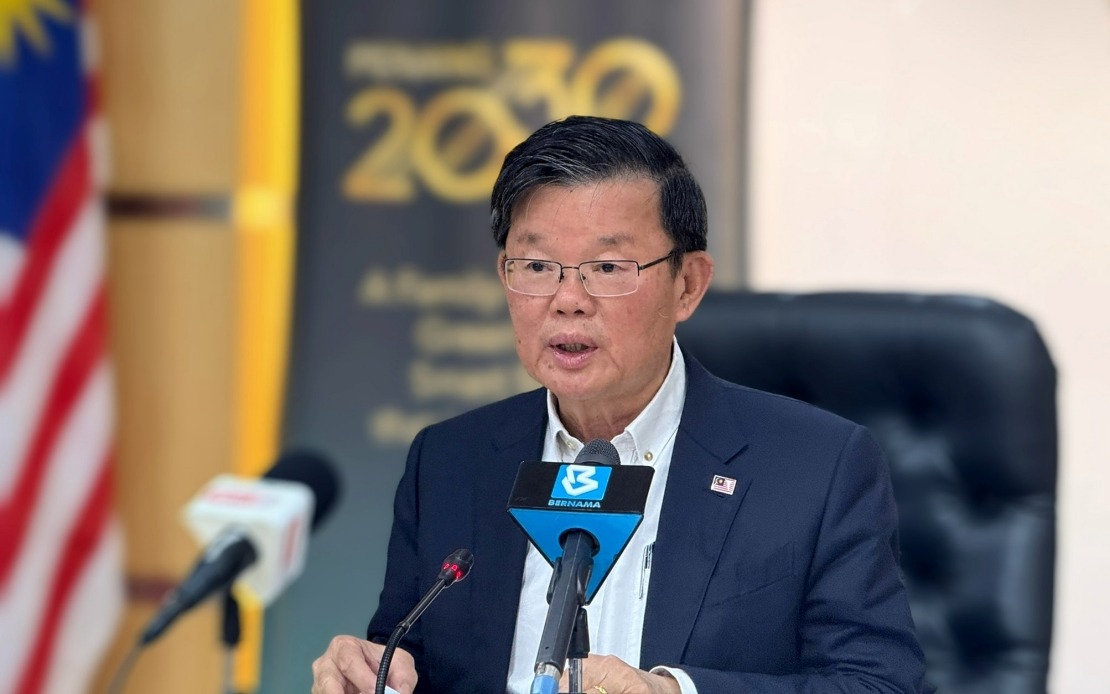
Penang's ruling Pakatan Harapan coalition is undertaking a systematic overhaul of its electoral machinery ahead of the next general election, with component parties required to submit detailed progress assessments by early August. Chow Kon Yeow, the state chairman and Chief Minister, announced that all PH subcommittees will convene during this period to evaluate their performance and identify areas requiring improvement or strategic recalibration. This structured approach reflects the coalition's determination to maintain its electoral dominance in a state where it has governed since 2018 and consolidated its position in the 2023 state polls.
The review process signals that despite its commanding position in Penang politics, the PH-led administration recognizes the importance of continuous assessment and tactical refinement. Chow explicitly outlined that the coalition intends to scrutinize multiple facets of its operations, both to rectify identified shortcomings and to amplify existing competitive advantages. This dual focus on damage control and strength consolidation is characteristic of governing coalitions seeking to extend their tenure beyond a single electoral cycle. The Chief Minister's emphasis on welcoming external suggestions and criticism indicates an attempt to project openness while maintaining internal discipline among coalition members.
The stability of the Unity Government, which brought together traditionally competing political blocs in Penang, remains a central talking point as the coalition prepares for future electoral contests. Chow's reaffirmation that no significant friction exists among component parties—Democratic Action Party (DAP), People's Justice Party (PKR), and Amanah—appears designed to preempt speculation about potential splits or defections that could weaken PH's standing. His assertion that the partnership operates smoothly without underlying tensions or unilateral policy shifts provides reassurance to supporters and stakeholders invested in the coalition's continued governance. However, such declarations are routine in Malaysian politics and warrant scrutiny against actual behavior within coalition frameworks.
The Penang electorate delivered a decisive mandate to the Unity Government in the 2023 state elections, granting the coalition control of 29 of the 40 state assembly seats. DAP emerged as the dominant force, capturing all 19 seats it contested, while PKR secured seven seats and Amanah contributed one, with Barisan Nasional obtaining two seats despite the formal alliance arrangement. This outcome represents a significant validation of the PH-BN partnership strategy implemented at the federal level in 2022, demonstrating that voters in Malaysia's second-most economically developed state were willing to support cross-party collaboration in the name of political stability. For Penang specifically, the result reinforced DAP's entrenched position in the state's political landscape, a trajectory dating back to the 2008 general election.
The strategic review now underway must contend with several contextual realities shaping Malaysian electoral politics. The next general election remains uncertain in timing, though constitutional provisions suggest it cannot occur later than mid-2025, creating a window within which the Penang coalition must finalize its preparations. Competition from Barisan Nasional's resurgent presence under Prime Minister Anwar Ibrahim's leadership framework, combined with the residual appeal of Perikatan Nasional to segments of the Malay-Muslim electorate, presents challenges that extend beyond Penang's borders. The coalition's internal dynamics, particularly the balance of power between DAP and PKR—two parties with occasionally divergent policy preferences—will influence whether the unified front presented to voters remains cohesive through an election campaign.
For Malaysian political observers, Penang's preparation period offers insight into how a ruling coalition at the state level positions itself relative to broader national political trends. The state has historically served as a testing ground for political innovations and electoral strategies that eventually gain traction nationally. The PH coalition's emphasis on organizational renewal and strategic recalibration in Penang may foreshadow similar exercises within the federal coalition structure. Conversely, any fractures or operational inefficiencies exposed during Penang's review process could signal broader vulnerabilities within the national PH framework that opposition parties might exploit in the general election campaign.
The timing of the August assessment cycle is noteworthy in another dimension. By requiring comprehensive reports and evaluations during the monsoon season and school holidays, when political activity traditionally diminishes, the Penang coalition can conduct its internal business away from intense media scrutiny and public attention. This allows for frank discussions about weaknesses, personnel changes, or strategy pivots without triggering speculation about leadership crises or coalition instability. The disciplined approach contrasts with more reactive postures that some Malaysian political coalitions adopt, suggesting the Penang PH leadership values proactive governance as a political strategy.
Chow Kon Yeow's dual role as both coalition chairman and state Chief Minister positions him as the central figure coordinating this preparatory exercise. His ability to maintain inter-party harmony while driving performance improvements will significantly influence the coalition's electoral prospects. His public statements emphasizing consensus and smooth cooperation may also reflect awareness that leadership transitions or high-profile conflicts within the coalition could damage its electoral brand. The Chief Minister's stakes in this exercise are personal as well as institutional, as his own re-election prospects depend substantially on the coalition's overall performance and organizational effectiveness.
Beyond Penang's immediate political calculations, the coalition's strategic review occurs within a transformed Malaysian political landscape. The return to some form of competitive multiparty democracy following the fraught 2020-2022 period has created new uncertainties that established political players must navigate. The electorate's demonstrated willingness to support different coalitions in different electoral contexts—notably the federal level in 2022 and the Penang state level in 2023—suggests voter preferences are increasingly fluid and contingent. The PH coalition in Penang must therefore assume that past electoral support cannot be taken as guaranteed future backing, necessitating continuous engagement with constituents and adaptive policy positioning.
The subcommittee reports due in August will likely address several standing challenges facing the Penang administration. These include management of urban growth pressures, infrastructure development coordination with the federal government regardless of coalition composition, and articulation of state-level policies that align with both component party platforms and voter expectations. Environmental sustainability, tourist economy regulation, and affordable housing represent particularly visible governance issues where the coalition's effectiveness or shortcomings directly affect constituent satisfaction. The strategic review process offers an opportunity to evaluate performance in these high-visibility areas and to craft election campaign narratives that emphasize achievements while credibly addressing criticisms.
Looking forward, the outcomes of Penang's August review will inform broader calculations about the next general election's likely trajectory. A cohesive, organizationally robust PH coalition in Penang will bolster confidence in the national coalition's viability, while any signs of discord or operational dysfunction could ripple outward. Given Penang's economic significance and its role as a demographic bellwether, the state remains a genuine battleground rather than a secured bastion, despite the coalition's current electoral dominance. The coalition's willingness to conduct systematic self-assessment rather than coast on recent electoral victories suggests awareness of this underlying competitive reality, positioning it reasonably well for the electoral tests ahead.

