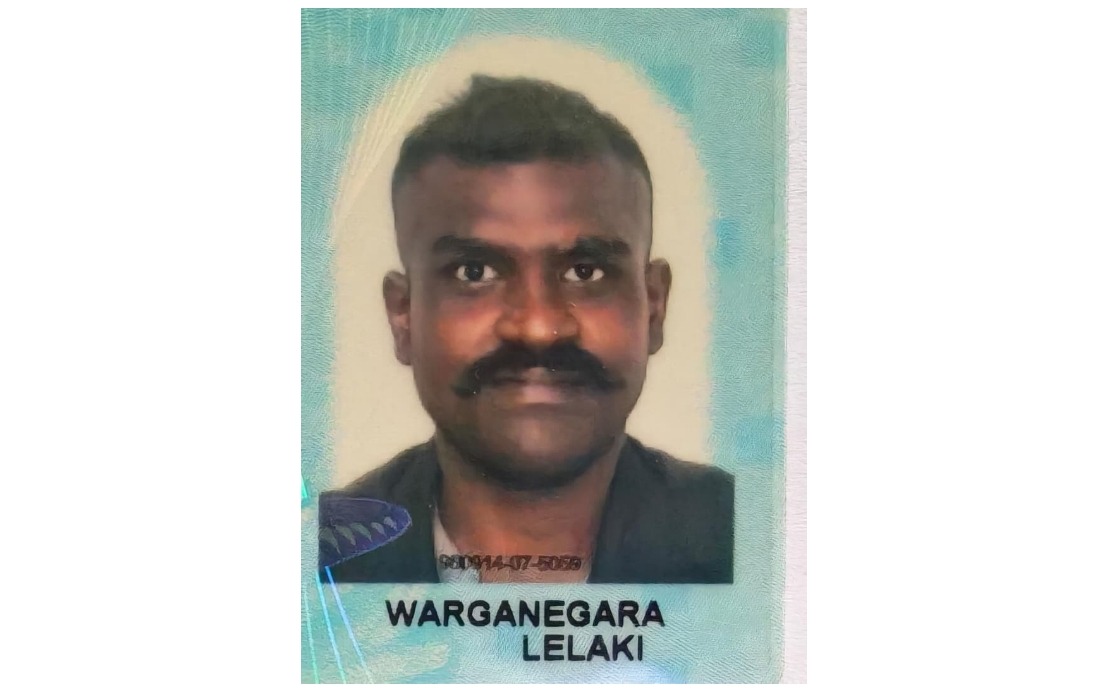
Sungai Bakap Hospital in Nibong Tebal has launched a public appeal to identify and contact the family or next of kin of M. Balakrishnan, a 29-year-old man who passed away on August 10 after an extended three-month hospital stay. The hospital disclosed that the patient succumbed to severe sepsis complicated by multi-organ failure at 6:53 pm in Ward 3, with his remains currently housed in the hospital's Forensic Medicine Unit pending proper arrangements.
Balakrishnan's case exemplifies the challenging intersection of healthcare provision, social welfare, and administrative complexity that Malaysian hospitals occasionally encounter. The patient had been transferred to Sungai Bakap Hospital on May 27 from Bukit Mertajam Hospital, initially pending placement at a residential care facility operated by the Social Welfare Department, commonly referred to as JKM. However, during his three-month hospitalisation, no family members, relatives, or acquaintances visited him, leaving medical staff with minimal personal information to facilitate tracing efforts.
Hospital authorities undertook systematic investigative procedures to locate his next of kin, coordinating with the National Registration Department to obtain registered contact information. The investigation identified a last-known address at No. 19, Jalan Sungai Buloh, Taman Segar, Kampung Baru Subang in Selangor. However, when police officers visited the residence, they discovered the premises were occupied by a different family entirely, and the current residents had no connection to or knowledge of Balakrishnan or his family members.
The case highlights the vulnerabilities faced by homeless populations within Malaysia's healthcare system. Individuals without stable residential situations often present to hospitals without comprehensive personal and family documentation, complicating discharge planning and follow-up care arrangements. In Balakrishnan's instance, his homelessness meant that no family-based support network was immediately available, placing the institutional burden entirely on the hospital and social welfare agencies to coordinate appropriate care.
Severe sepsis and subsequent multi-organ failure represent medical emergencies requiring intensive intervention and prolonged hospitalisation. The progression from initial presentation to death over three months suggests the patient received sustained medical management, though ultimately the infection and its systemic complications proved fatal. Such cases underline the critical nature of early sepsis recognition and aggressive treatment protocols in hospital settings throughout Malaysia and Southeast Asia.
The Social Welfare Department's role in this case illustrates the existing mechanisms attempting to address homelessness through institutional care placement. The intention to transfer Balakrishnan to a care facility reflected policy objectives to provide structured residential support for vulnerable populations. However, the extended gap between his hospital admission and eventual facility placement—circumstances that may reflect resource constraints, administrative processing timelines, or availability issues—remains an area warranting scrutiny from social policy perspectives.
Hospital authorities have explicitly requested assistance from the general public, recognising that community networks and personal connections may succeed where formal institutional channels have encountered dead ends. The appeal represents a transparent acknowledgment that tracing mechanisms available to government agencies have exhausted their immediate effectiveness, necessitating broader public engagement to resolve the matter.
The implications of an unidentified deceased person extend beyond the immediate hospital and administrative context. Proper identification and family notification are essential for cultural, religious, and legal reasons. Different Malaysian communities maintain distinct protocols regarding handling of the deceased, funeral arrangements, and mourning periods. Without family contact, the hospital and relevant authorities face uncertainty regarding appropriate treatment of the remains and adherence to the individual's personal or religious preferences.
For Malaysian readers, this case underscores the importance of maintaining accessible family contact information, whether through formal registration with government agencies or informal community networks. Vulnerabilities in tracing mechanisms can emerge unexpectedly, particularly for socially isolated individuals. The appeal also reflects institutional responsiveness to challenging situations where standard procedures provide insufficient resolution.
The Sungai Bakap Hospital appeal represents a measured and appropriate institutional response to administrative complexity. Members of the public with any information regarding M. Balakrishnan, his family connections, or potential next of kin are encouraged to contact the hospital directly to assist in resolving this matter and enabling appropriate handling of the deceased's remains in accordance with applicable legal and cultural requirements.

