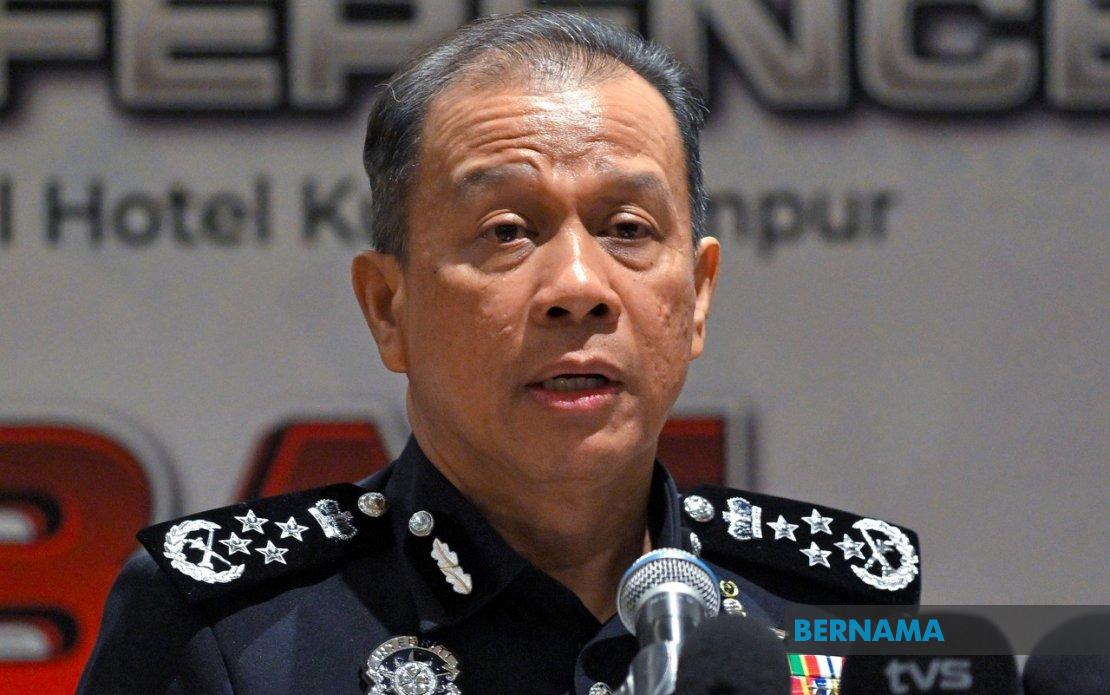
The Royal Malaysia Police has pledged its full cooperation with a Cabinet decision to integrate police personnel into Aviation Security operations at the nation's airports, marking a significant shift in how Malaysia approaches aviation threats and criminal activity at its air transport hubs. Inspector-General of Police Tan Sri Mohd Khalid Ismail confirmed the force's readiness to work alongside the Home Ministry, Ministry of Transport, and other stakeholders to operationalise this expanded security framework, which emerges from heightened concerns about vulnerabilities in current airport screening and access protocols.
The integration decision was announced by MADANI Government spokesman Datuk Seri Fahmi Fadzil following the high-profile detention of a Malaysian pilot by Indonesian authorities on suspicion of international drug trafficking. This incident has prompted Malaysian officials to acknowledge gaps in their existing aviation security posture and to take corrective action before similar breaches occur domestically. The case illustrated how aviation facilities and personnel could potentially be exploited by criminal networks seeking to move illicit substances across regional borders, raising uncomfortable questions about the adequacy of current preventive measures.
Currently, officials from PDRM, the Home Ministry, and the Ministry of Transport are working through the operational details of this deployment, including defining job responsibilities, determining how many officers will be needed, identifying which airports and facilities will receive enhanced police presence, and establishing clear command structures and inter-agency communication protocols. The scope of assignment remains under discussion, though it is expected to encompass both intelligence gathering and direct enforcement functions at terminal checkpoints and restricted areas. These deliberations reflect the complexity of integrating a new operational layer into an existing system without disrupting the flow of passenger traffic or creating bottlenecks that could compromise Malaysia's competitiveness as an aviation hub.
According to Tan Sri Mohd Khalid, police involvement in the aviation security ecosystem offers distinct advantages that current civilian-led AVSEC teams may lack. The intelligence-sharing capabilities of the police force, combined with their enforcement authority and real-time threat assessment training, could enable faster detection of suspicious patterns and swifter responses to emerging risks. The force's established criminal investigation networks and access to intelligence databases would allow for cross-checking passenger and cargo information against national and regional watchlists more efficiently than purely administrative screening procedures currently permit.
The proposed enhancement forms part of a broader, multi-layered security architecture designed to address vulnerabilities at multiple points. Strengthened access control measures would restrict unauthorised entry to sensitive airport zones, while enhanced screening procedures would subject passengers and baggage to more rigorous scrutiny. Security checks would be complemented by sophisticated risk assessment protocols that use data analytics and behavioural indicators to identify potential threats before they reach boarding areas. Strategic cooperation among all agencies—including customs, immigration, and intelligence services—would ensure that information flows seamlessly and that coordinated action can be taken when suspicious activity is detected.
Tan Sri Mohd Khalid emphasised that the implementation of tighter, integrated, and intelligence-driven security controls is expected to significantly bolster Malaysia's preventive capabilities while reducing the operational risks that criminals might exploit. By closing identifiable gaps in current systems, authorities hope to make Malaysia's aviation sector a harder target for traffickers and other criminal actors. The layered approach recognises that no single measure is sufficient; instead, multiple overlapping safeguards create redundancy and ensure that a failure in one system does not compromise overall security.
The move carries particular significance for Southeast Asia's aviation landscape, where Malaysia serves as a regional transportation hub and gateway to global markets. Any perceived vulnerability at Malaysian airports could attract international criminal networks while also damaging passenger confidence and investor sentiment. By visibly strengthening security measures, the government signals commitment to both traveller safety and the integrity of the supply chains that pass through Malaysian facilities. The decision also aligns with international aviation security standards and best practices promoted by the International Civil Aviation Organization, demonstrating Malaysia's willingness to meet global benchmarks.
Tan Sri Mohd Khalid underscored that flight safety and the security of the nation's entry and exit points remain paramount government priorities. The PDRM asserted that any exploitation of aviation facilities for criminal purposes would face swift and uncompromising enforcement action. This messaging is directed both at potential offenders and at the travelling public, reassuring the latter that enhanced security measures are designed to protect them rather than inconvenience them. The force's commitment reflects an understanding that public confidence in airport safety is essential for the aviation sector's continued growth and Malaysia's reputation as a safe destination.
The timing of this announcement, coming shortly after the pilot's detention in Indonesia, suggests that regional developments have concentrated minds among Malaysian policymakers and prompted them to act decisively. While the case itself involved an individual pilot rather than an institutional failure, it has been interpreted as evidence that Malaysia's aviation sector could be vulnerable to exploitation by criminal elements who may operate within or through the system. The proactive stance taken by PDRM and its government partners indicates a determination to prevent copycat incidents and to demonstrate that Malaysia takes aviation security as seriously as its international partners do.
The integration of police officers into AVSEC teams will require careful management of training, oversight, and accountability mechanisms to ensure that the added presence enhances rather than complicates security operations. Clear protocols for escalation, evidence handling, and inter-agency communication will be essential to the success of the initiative. The success of this deployment will likely influence how other Southeast Asian nations approach similar challenges, as the region seeks to balance openness to travel and commerce with rigorous security controls. For Malaysia specifically, the measure represents a recognition that modern aviation security demands not only technological solutions but also skilled personnel with investigative authority and access to intelligence networks that extend beyond the airport perimeter.

