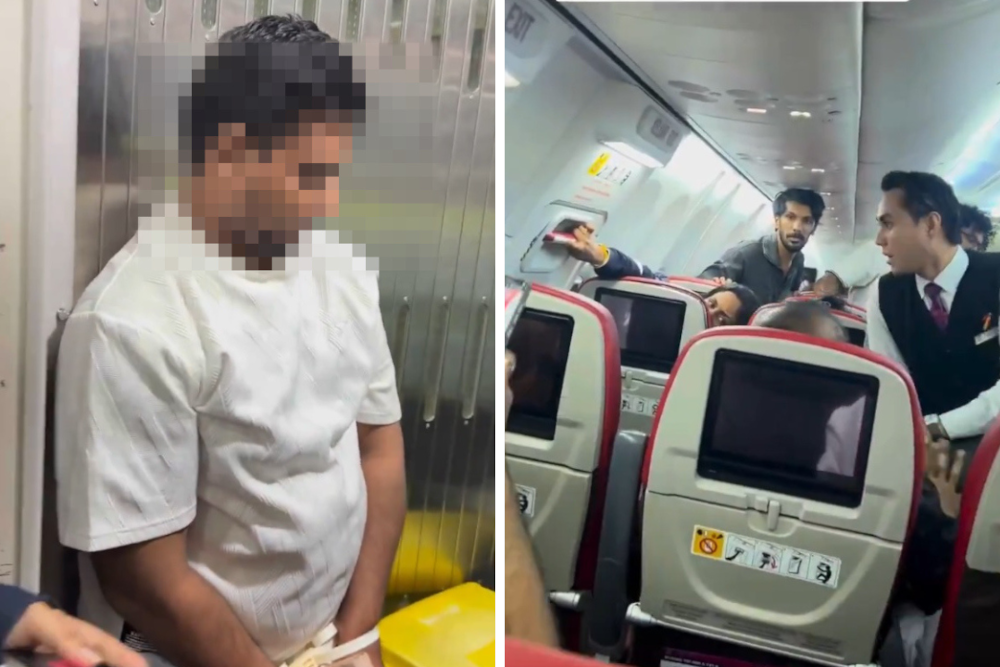
A passenger on a Batik Air flight has been taken into custody following an alarming incident in which he reportedly attempted to force open an emergency exit door while the aircraft was cruising at 9,144 metres above ground level. The incident occurred on a service operating between Malaysia and India, highlighting ongoing concerns about in-flight safety and security protocols on regional carriers.
The situation unfolded when the man made his attempt to access the emergency door during flight operations, triggering an immediate response from cabin crew members who were positioned to intervene swiftly. The rapid action by staff aboard the aircraft prevented the door from being opened, which would have posed catastrophic consequences at that altitude. Passengers on the flight experienced considerable distress as the situation developed, though the crew's training and prompt response ensured the situation was contained without harm to those aboard.
Emergency exit doors on commercial aircraft are equipped with sophisticated locking mechanisms specifically designed to prevent accidental or deliberate opening during flight. Modern aircraft cabins maintain pressurised environments that are essential for maintaining breathable air and stable conditions for passengers and crew. Any successful breach of the fuselage at cruising altitude would result in rapid decompression, immediately disabling everyone aboard through oxygen deprivation and exposing the aircraft to structural failure. The engineering safeguards in place proved effective in this instance.
Following the incident, the aircraft diverted or continued to its destination, where Malaysian authorities moved to apprehend the suspect. Law enforcement officials initiated investigations into the circumstances surrounding the attempted breach, examining whether the passenger was acting under duress, experiencing a mental health crisis, or motivated by other factors. The specifics of the charges to be levelled against the individual are part of the broader inquiry into his actions and intentions.
Batik Air, a low-cost subsidiary of Malaysia Aviation Group and a significant carrier serving Malaysian routes and regional destinations across South and Southeast Asia, confirmed the occurrence and emphasised their commitment to passenger and crew safety. The airline operates a substantial fleet serving millions of passengers annually, making incidents of this nature particularly significant for their operational protocols and reputation. The carrier has had to balance reassurance messaging with acknowledgment of the gravity of the situation.
Incidents involving passenger misconduct at altitude represent a persistent challenge for the aviation industry globally. Airlines invest heavily in crew training programmes to prepare staff for medical emergencies, security threats, and unusual passenger behaviour that may emerge during flight. The training regimen includes de-escalation techniques, physical restraint procedures, and protocols for communicating with flight deck personnel to ensure coordinated responses. The effectiveness of such training was evident in this case.
Regional air traffic has grown substantially over the past decade, with Malaysian carriers transporting increasing numbers of passengers across diverse routes. The Malaysia-India corridor serves significant demand from both business travellers and those maintaining family connections across the subcontinent. Incidents affecting flight safety on these routes carry implications for passenger confidence and carrier operations across a crucial regional aviation market. Safety records remain strong overall, but individual incidents attract heightened scrutiny.
International aviation regulatory bodies and national aviation authorities maintain strict protocols for handling security and safety incidents aboard commercial flights. The International Civil Aviation Organization provides frameworks for member states to follow in such circumstances, ensuring consistency in investigations and responses. Malaysian aviation authorities coordinate closely with other regional and international bodies to maintain the highest safety standards across all operational aspects.
Passenger behaviour policies aboard commercial aircraft are enforced rigorously, with crew members empowered to take appropriate action when individuals engage in threatening, disruptive, or dangerous conduct. Federal aviation regulations in multiple jurisdictions specify that passengers who interfere with flight operations face serious criminal penalties upon landing. The seriousness with which such incidents are treated reflects the fundamental nature of aviation safety and the shared responsibility of all parties for security at altitude.
The investigation into this particular incident will likely examine surveillance footage from the cabin, statements from crew and passengers, and the psychological evaluation of the individual involved. Such investigations inform ongoing reviews of cabin safety procedures and crew training methodologies. The findings may also be shared through industry channels to help other carriers identify patterns or improve their own safety management systems. Information sharing among airlines and regulators strengthens overall aviation security standards across the region.

