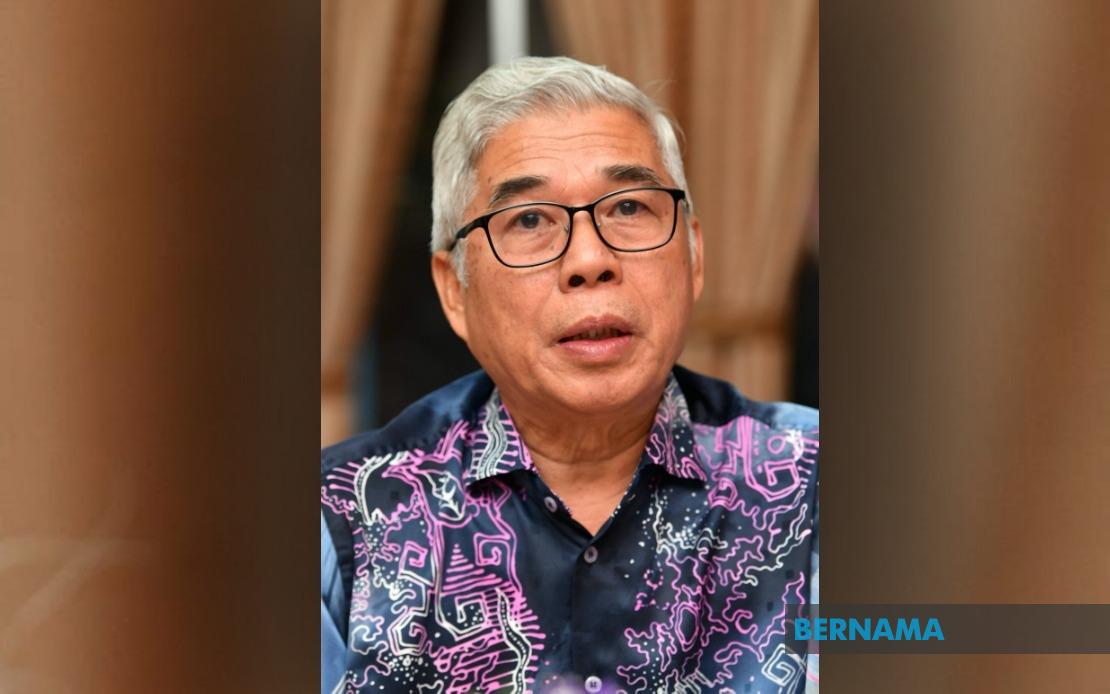
Pasir Gudang Member of Parliament Hassan Abdul Karim has called on the MADANI Government to resist the temptation of calling an early general election, instead urging Prime Minister Datuk Seri Anwar Ibrahim to remain focused on completing the administration's full mandate until its natural conclusion in late 2027 or early 2028. The appeal comes in the wake of recent disappointing state election performances by PKR, which has sparked speculation about a potential early dissolution of Parliament to capitalize on favourable polling conditions before sentiment shifts further.
Hassan's intervention reflects growing concern within ruling coalition circles that hasty political moves could undermine long-term governance objectives. He contends that precipitous action to call elections would represent a reactive response to short-term electoral disappointments rather than a strategic decision grounded in national interests. The MP emphasised that the coalition should use the current political moment for introspection rather than escalation, allowing PKR and its partners within Pakatan Harapan sufficient time to analyse what went wrong during recent contests and recalibrate their approach before facing voters again.
The timing of Hassan's statement carries particular significance given PKR's recent setbacks across multiple state-level contests in Sabah, Johor, and Negeri Sembilan. These results have inevitably triggered internal discussions about the government's electoral prospects and strategy, creating pressure within the party to seek a mandate refresh while public sentiment remains uncertain. However, Hassan argues that surrendering to this temptation would be strategically misguided, as early elections driven by momentary anxiety often fail to deliver the decisive advantages that proponents anticipate.
A cornerstone of Hassan's argument rests on the conviction that the MADANI administration's economic policies require substantial time to generate demonstrable benefits that voters can tangibly experience. He maintains that rushing to the polls within the next 12 to 18 months would prevent the government's development initiatives from maturing sufficiently to influence public perception. Economic transformation, whether through infrastructure development, poverty reduction, or job creation, typically unfolds across multiple years rather than months, meaning premature elections would find policies still in their implementation phase rather than bearing visible fruit.
Hassan specifically highlighted three priority areas where additional time would prove invaluable: strengthening the national economy, attracting increased foreign direct investment to Malaysia's shores, and rebuilding public confidence in government performance. These objectives are deeply interconnected—more robust economic growth typically attracts foreign investors, while successful FDI inflows create visible employment opportunities and prosperity that reconstruct public trust. None of these outcomes materialise quickly, underscoring why Hassan believes a full term completion is essential for the government to demonstrate concrete achievements rather than merely promising future delivery.
The MP's reasoning suggests a sophisticated understanding of Malaysian electoral dynamics. Recent state elections revealed voter appetite for change and willingness to reject incumbent administrations, potentially signalling a broader appetite for alternation. Rather than interpreting this as evidence that the coalition should rush to seek fresh endorsement, Hassan reads it as a warning signal requiring substantive policy correction and demonstrable improvement in living standards. In his view, asking voters for confidence before implementing effective solutions would likely prove futile, potentially accelerating the electoral punishment coalition members fear.
Hassan's message to PKR members and party supporters carries an important psychological dimension alongside its strategic arguments. He sought to prevent defeatism or demoralization within the party structure following recent disappointments, reminding cadres that electoral setbacks represent normal features of competitive democracy rather than indicators of terminal decline. His characterisation of PKR as a reform party composed of fighters willing to confront adversity was explicitly designed to bolster morale while simultaneously channelling that renewed determination toward substantive work rather than premature electoral contests.
The broader context for Hassan's intervention involves questions about the MADANI coalition's long-term political sustainability. The administration has implemented numerous policies addressing cost-of-living concerns, economic restructuring, and social welfare that theoretically should translate into electoral support once their effects penetrate household economics. However, these benefits often take years to manifest fully, creating a timing mismatch between implementation cycles and electoral calendars. Hassan's proposal essentially suggests that the coalition bet on its ability to deliver results over the next 18 to 24 months, a wager reflecting either confidence in policy effectiveness or acknowledgment that early elections would likely disappoint.
For Malaysian observers and regional analysts tracking Southeast Asian politics, Hassan's position illuminates internal coalition tensions between those advocating strategic patience and those preferring opportunistic action. Similar dynamics have unfolded in neighbouring democracies, with differing outcomes depending on whether governments pursued patient consolidation or rushed back to voters. The choice between completing a mandate and seeking early validation carries profound implications for governance capacity, policy implementation effectiveness, and ultimately the electorate's experience of government performance.
The MP's framing additionally suggests an attempt to reshape how MADANI coalition discussions about election timing should proceed. Rather than debating whether elections should occur in 2025, 2026, or 2027 based on polling data and factional calculations, Hassan advocates reorienting the conversation toward completion of substantive policy objectives and demonstration of tangible benefits. This rhetorical move essentially argues that electoral timing should follow from governance achievements rather than precede them, a position with considerable appeal to voters increasingly sceptical of political cycles disconnected from material improvements in their circumstances.

