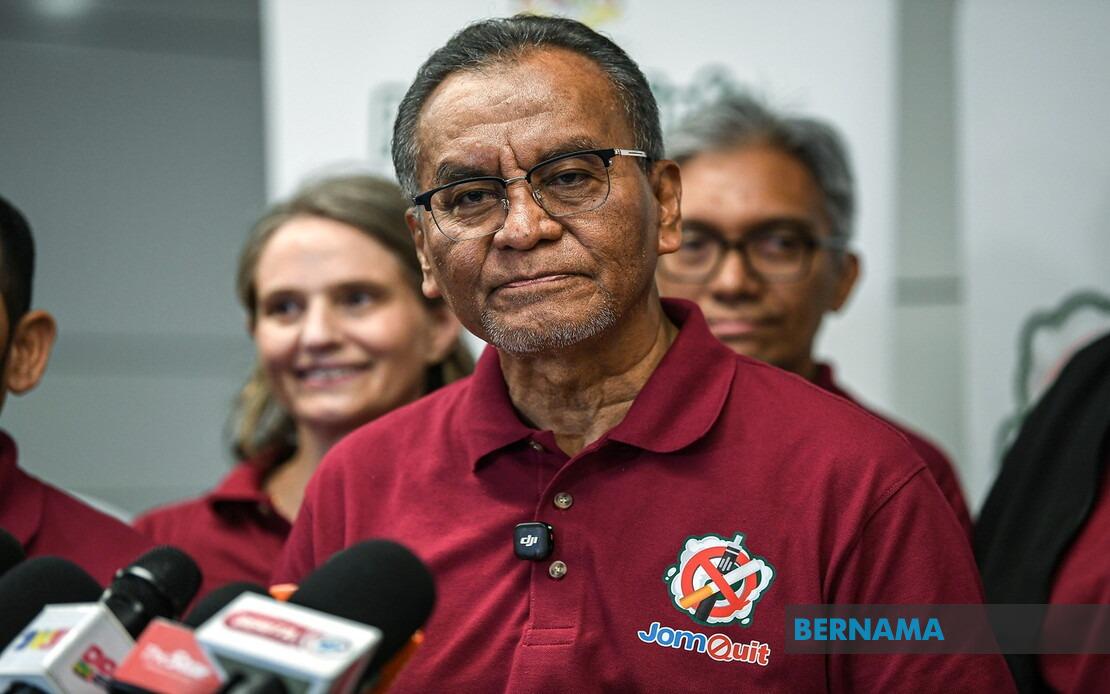
Pasir Gudang Hospital (HPG) remains in its initial phase of operations since launching last August, with staffing at less than half its target strength, according to Health Minister Datuk Seri Dr Dzulkefly Ahmad. The facility currently employs 1,075 personnel across various departments, but substantial hiring initiatives are already underway to bridge the workforce gap. The ministry has charted an incremental recruitment schedule that will progressively boost capacity through the final quarter of the year, with the ultimate goal of delivering comprehensive healthcare services from 16 delivery rooms and 304 beds by the end of December.
The pathway to full operational capacity represents a carefully managed staffing expansion rather than a rushed deployment. The ministry is targeting a 66 per cent staffing complement by September, demonstrating confidence in the recruitment pipeline already in motion. This measured approach reflects recognition that healthcare facilities require adequate time to train and integrate new staff while maintaining service quality. The phasing strategy also allows administrators to address staffing bottlenecks in priority areas first, ensuring critical services receive personnel before secondary services.
Medical officers have shown the strongest staffing progress, with 176 of 206 positions already filled—representing 85.4 per cent capacity. This near-complete complement suggests that recruitment of qualified doctors has proceeded relatively smoothly, possibly due to the relatively stable career prospects and established training pathways for this cadre. Additional permanent appointments have been announced for 2024 to address the remaining 30-odd vacancies in this category. The robust representation of medical officers provides a foundation for the hospital to manage patient throughput and clinical decision-making.
Specialist recruitment, typically the most challenging staffing category in Malaysian healthcare, will receive an infusion of nine pre-gazetted specialists beginning this month and continuing through February 2027. This staged onboarding is projected to lift specialist staffing from the current 36.36 per cent to 48.05 per cent, still acknowledging the constraint that specialists require longer training periods and represent limited supply nationally. The drawn-out recruitment timeline for specialists highlights the structural challenge facing public healthcare expansion across the region—the supply of qualified specialists cannot respond quickly to new facility demands.
Nursing remains the most acute staffing challenge, with only 32.24 per cent of positions currently filled. However, the arrival of 70 additional nurses scheduled for September will increase this to 40.42 per cent, a meaningful jump of over 8 percentage points. For a hospital designated to serve a significant population in the Pasir Gudang industrial and residential zone, nursing capacity remains critical for patient care delivery and operational resilience. The September intake suggests the nursing recruitment effort is progressing, though building from such a low baseline underscores the broader shortage of nurses throughout Malaysia's public health system.
Assistant medical officers represent another category receiving targeted recruitment, with 80 new AMOs expected to arrive in early October. This addition will dramatically accelerate the staffing level for this category from 68 to 91 per cent, essentially completing the AMO complement. This particular success reflects the ministry's strategic focus on identifying and deploying mid-level medical personnel who can perform many routine clinical functions, thereby stretching the impact of scarcer fully qualified doctors. The emphasis on AMO recruitment represents a pragmatic response to the structural imbalance between specialist supply and healthcare demand.
For allied health professions—radiographers, medical laboratory technologists, dietitians, and physiotherapists—recruitment proceeds more gradually. These categories currently stand at 45 per cent staffing, indicating that progressive hiring remains the operational mode. While these positions may not generate the same urgency as nursing or medical staffing, they are essential for diagnostic capability and comprehensive patient management. The ongoing recruitment for allied health positions suggests the ministry recognizes that laboratory, imaging, and rehabilitation services cannot be deferred until final stages.
The ministry has adopted an interim strategy leveraging cluster and visiting specialist arrangements to manage shortages across facilities. Under this approach, specialists from other hospitals or regional clusters provide periodic services at under-resourced facilities, distributing expertise more efficiently while permanent recruitment closes gaps. This pragmatic interim solution, common across Southeast Asian health systems, allows Pasir Gudang to offer a broader range of services than its permanent specialist staff would independently support. Currently, HPG delivers 10 basic specialist services with Ophthalmology slated for introduction within six months, demonstrating that interim measures permit functional service expansion.
Broader structural reforms announced by the ministry address long-term solutions to healthcare workforce shortages affecting not just Pasir Gudang but the entire public system. The Specialist Training Pathway is being strengthened through increased "parallel pathway" sponsorship slots, aiming for 600 annually compared to previous allocations. Financial incentives including Specialist Incentive Payments and Pre-Gazetted Specialist Incentive Payments (BIPPW) are being offered to attract and retain qualified specialists, acknowledging that salary competitiveness remains a constraint for public healthcare recruitment. These systemic initiatives recognize that isolated facility staffing cannot succeed without addressing the underlying national shortage of medical specialists.
Training institute capacity is being substantially expanded as the ministry doubles down on developing Malaysia's healthcare workforce pipeline. The Ministry of Health Training Institutes (ILKKM) are increasing trainee intake to 3,000 from the previous year, with targets reaching 5,000 by October 2027 through opening four new colleges. This expansion addresses the reality that Malaysia cannot rely solely on recruiting experienced practitioners; the country must develop its own talent pool for sustainable healthcare growth. The timeline for these educational expansions suggests relief from staffing pressures will extend well into 2027, requiring interim measures to sustain services in the interim.
Johor Menteri Besar Datuk Onn Hafiz Ghazi has publicly urged the ministry to accelerate the filling of positions at Pasir Gudang Hospital, reflecting state government concerns that the facility should serve the surrounding population effectively. This political pressure acknowledges that an understaffed hospital cannot adequately address the healthcare needs of residents in the industrial and urban belt around Pasir Gudang. The Menteri Besar's intervention signals state-level engagement with the staffing challenge, potentially mobilizing additional support for recruitment efforts.
Dzulkefly's commitment to reaching full operational capacity by December anchors expectations for the facility's trajectory. However, the sequential staffing targets—66 per cent by September, various category-specific milestones through October, and full capacity by December—require each recruitment phase to execute as planned. Delays in any category could cascade through the timeline, extending the period of reduced service capacity. The physician's assertion that staffing "must be implemented strategically and cannot be carried out drastically" indicates awareness that rapid, unmanaged recruitment could compromise quality and institutional stability.
For Malaysian healthcare observers and regional analysts, Pasir Gudang Hospital's development trajectory illustrates both the possibilities and constraints of expanding public healthcare infrastructure. The facility represents genuine capacity addition for Johor and the broader southern region, yet its staffing journey demonstrates that physical facilities cannot operate ahead of workforce availability. The phased approach, reliance on interim visiting specialist arrangements, and structural reforms targeting training pipeline expansion collectively signal how Malaysia is attempting to manage the tension between infrastructure development and human resource constraints—a challenge facing healthcare systems throughout Southeast Asia.

