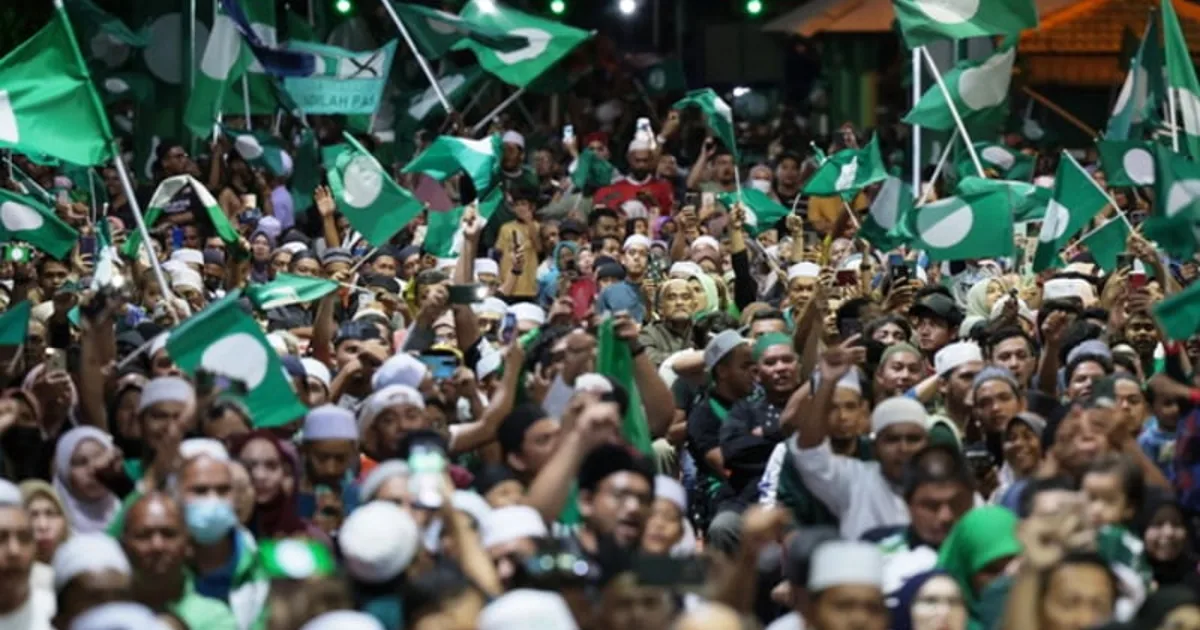
The Islamic Party of Malaysia, known as PAS, has made a strategic decision to redeploy its campaign resources away from parliamentary and state seats where its Perikatan Nasional coalition partner Bersatu is the designated contestant. The move signals a coordinated approach within the Islamist-led coalition to concentrate electoral firepower on constituencies where each component party holds the strongest position to win, a tactic designed to maximise opposition seats against the ruling Pakatan Harapan government.
Under this new arrangement, PAS will direct its election machinery—encompassing party activists, ground organisers, and campaign logistics—toward constituencies where the Islamic party is positioned as the primary candidate. This represents a deliberate division of labour within the Perikatan Nasional framework, which consists of multiple political entities with sometimes overlapping electoral ambitions. By stepping back from Bersatu-held seats, PAS avoids splitting the opposition vote in those constituencies, a scenario that could hand victories to Pakatan Harapan candidates through a divided opposition.
The coordination extends beyond the PAS-Bersatu bilateral arrangement. PAS has indicated that comparable resource allocation will apply to seats contested by other Perikatan Nasional component parties. This suggests a wider party discipline mechanism is at play across the coalition, with each member agreeing to concentrate on their designated battlegrounds. The approach reflects lessons learned from previous electoral contests where opposition fragmentation has cost the anti-Pakatan camp valuable parliamentary seats.
Bersatu, the Malaysian United Development Party, has emerged as a significant faction within Perikatan Nasional, particularly following its integration into the coalition after departing from the earlier Pakatan Harapan government. The party retains considerable support in certain constituencies, particularly in Peninsular Malaysia where it contests both federal and state-level positions. By allowing Bersatu to maintain its campaign without PAS competition in designated seats, the coalition addresses historical tensions over seat allocation that have plagued opposition politics in Malaysia.
For Malaysian voters in constituencies where PAS is withdrawing its machinery, the practical effect means reduced campaign visibility from the Islamic party's grassroots network. Campaign posters, ceramah sessions, and door-to-door engagement may become noticeably less intensive in these areas. However, Perikatan Nasional coordinating leadership may deploy cross-party campaign support to ensure that Bersatu-contested constituencies still receive adequate opposition messaging against the Pakatan Harapan incumbents.
The broader significance of this arrangement lies in opposition coalition cohesion. Malaysian politics has historically suffered from multiple opposition groupings fragmenting anti-government votes. The efficiency gains from PAS reallocating resources to focus on winnable seats—where the Islamic party's organisational reach and voter base are strongest—theoretically increases the coalition's overall parliamentary seat count. In a closely divided parliament, such strategic optimisation could prove decisive.
This coordination mechanism also reflects the maturation of Perikatan Nasional as an electoral entity. Unlike earlier opposition coalitions that collapsed amid seat-allocation disputes and personal animosities between party leaders, the current arrangement appears to involve preliminary agreement on which party contests which seats. Such arrangements typically require extensive negotiation at senior leadership levels, with disputes resolved before public announcement to project coalition unity.
Regionally, Malaysia's opposition coordination efforts carry implications for Southeast Asian political dynamics. As Thailand, Singapore, and other regional democracies grapple with coalition politics, Malaysian parties' attempts to manage seat allocation efficiently may offer applicable lessons. The success or failure of PAS's resource reallocation strategy will influence how other opposition coalitions in the region approach similar coordination challenges.
For Pakatan Harapan strategists, PAS's move presents both challenges and opportunities. A more disciplined, efficiently organised opposition coalition is a more formidable electoral opponent. However, opposition unity remains fragile, and the coalition's ability to maintain its seats division agreement through a full election cycle remains untested. Any breakdown in this coordination could resurrect the vote-splitting dynamics that have previously benefited the ruling coalition.
PAS leaders have framed the resource reallocation as part of broader coalition strategy to present a unified front against Pakatan Harapan's governance record. The party emphasises that concentrating firepower in winnable seats represents strategic maturity, contrasting this approach with what PAS describes as the inefficiency and infighting that has characterised some earlier opposition periods. This messaging targets party grassroots supporters who may question why PAS is relinquishing campaign presence in certain constituencies.
The timing of this announcement also carries significance. With potential general elections anticipated within specific timeframes, Perikatan Nasional parties are positioning themselves for maximum electoral impact. This machinery reallocation demonstrates that coalition partners believe their partnership offers the most viable pathway to unseating Pakatan Harapan, and that disciplined coalition execution trumps individual party competition for seats.
Looking ahead, the success of PAS's resource concentration strategy will largely depend on whether Bersatu can effectively mobilise votes in contested constituencies and whether Perikatan Nasional maintains its coalition discipline throughout the campaign period. Any party defections, internal conflicts, or accusations of unfair seat allocation could rapidly unravel the coordination arrangement. Nevertheless, the initiative represents a meaningful attempt by the opposition to learn from past electoral disappointments and adopt a more systematised approach to coalition contestation.

