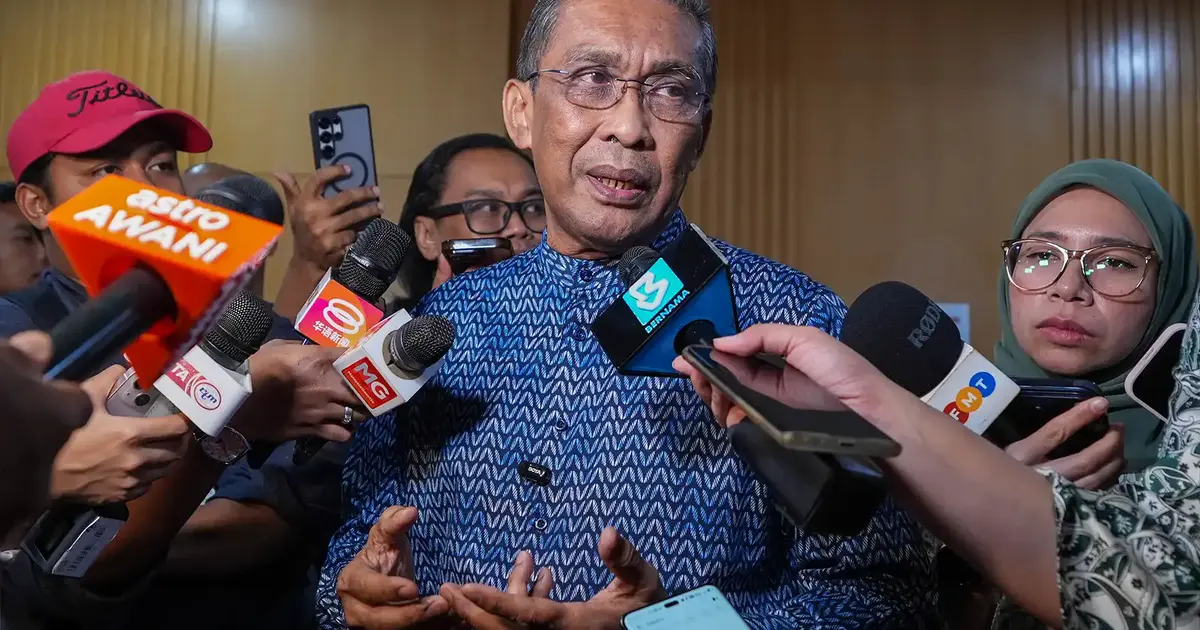
PAS is set to formalise discussions around its collaboration with Umno through a motion to be presented at the party's muktamar, according to the party's secretary-general Takiyuddin Hassan. The move signals that the Islamic party views the partnership as substantial enough to warrant formal consideration by its broader delegate base, rather than remaining confined to party leadership circles. This procedural step underscores the significance of the PAS-Umno relationship within Malaysian coalition politics and suggests the parties are consolidating their strategic alignment.
The muktamar, PAS's principal gathering where key decisions are deliberated and endorsed by party representatives, provides an ideal platform for presenting the cooperation framework to grassroots members and elected officials. By tabling the motion at this assembly, PAS leadership demonstrates commitment to democratic processes within the party while simultaneously building consensus around the Umno partnership among its broader membership. This approach ensures that party delegates understand and endorse the rationale behind closer working arrangements with the senior Malay-led party.
Muslim unity has emerged as a central theme expected to feature prominently in muktamar deliberations. This emphasis reflects broader concerns within both PAS and Umno about maintaining cohesion among Malaysia's Muslim majority and consolidating the political influence of Islamic-focused parties. For Malaysian voters and observers, this focus on religious-communal solidarity indicates how both parties are framing their relationship not merely as transactional political alliance but as a mission rooted in shared faith-based values and community representation.
The PAS-Umno relationship carries significant implications for Malaysian politics, particularly as the two parties together command substantial parliamentary representation and grassroots support, especially in rural areas. Their cooperation directly affects coalition dynamics at both federal and state levels, influencing government formation, policy direction, and the broader competitive landscape between established ruling coalitions and opposition alliances. For Southeast Asian observers tracking Malaysia's political trajectory, this partnership represents an important variable in understanding whether the country moves toward greater political consolidation or continued fragmentation.
Takiyuddin's announcement about the motion suggests that PAS leadership views formalising cooperation as necessary to maintain party unity around the Umno strategy. Internal party consensus becomes crucial when groups within PAS might harbour reservations about deepening ties with a party historically perceived as the establishment force in Malaysian politics. By bringing the matter to the muktamar floor, party officials create space for legitimate dialogue while ultimately seeking endorsement of the strategic direction from assembled delegates.
The timing of this motion tabling reflects the ongoing evolution of Malaysian coalition politics following recent election cycles that produced fragmented parliaments and complex governing arrangements. Both PAS and Umno have invested considerable political capital into strengthening bilateral relations, viewing such cooperation as essential for advancing their respective agendas and safeguarding their positions within the competitive landscape. The muktamar motion represents a milestone in formalising what has increasingly become visible through parliamentary voting patterns and joint political campaigns.
For Malaysian business leaders and international investors monitoring political stability, the formalisation of PAS-Umno cooperation offers some clarity regarding coalition stability and the likelihood of sustained government in coming years. Political predictability, while not guaranteed, becomes somewhat enhanced when major parties formally commit to collaborative frameworks rather than maintaining ambiguous working relationships subject to sudden shifts. This institutional dimension of the cooperation matters beyond party politics, extending into confidence calculations affecting economic and investment decisions.
The broader theme of Muslim unity emerging from these discussions warrants careful analysis. While appealing to many within the Muslim-majority electorate, such framing also raises questions about the extent to which Malaysian politics increasingly organises itself along religious-communal lines. This trend contrasts with periods when Malaysian political competition centred more prominently on socioeconomic issues, development trajectories, or ideological differences transcending religious identity. Understanding how PAS and Umno elaborate their unity concept during the muktamar will reveal whether they emphasise inclusive governance benefiting all Malaysians or adopt narrower community-focused approaches.
The muktamar setting also provides opportunity for both parties to demonstrate internal vitality and engagement with grassroots members, particularly important for maintaining party morale and financial support. In Malaysian political culture, major party assemblies serve functions beyond formal deliberation—they constitute occasions for party leadership to showcase strength, mobilise supporters, and communicate strategic vision to the broader electorate through media coverage. The cooperation motion becomes not merely an administrative formality but a political statement carrying implications for voter perception and party legitimacy.
Regionally, the PAS-Umno cooperation framework attracts attention from other Southeast Asian states navigating similar questions about religious identity in politics and coalition-building among Muslim-majority populations. Malaysia's experience with formalising religious party cooperation offers lessons, whether cautionary or exemplary, to governments and political movements elsewhere grappling with Islam's contemporary political role. The muktamar motion thus serves audiences beyond Malaysia's borders, particularly among policymakers and analysts in neighbouring countries with comparable demographic and political configurations.

