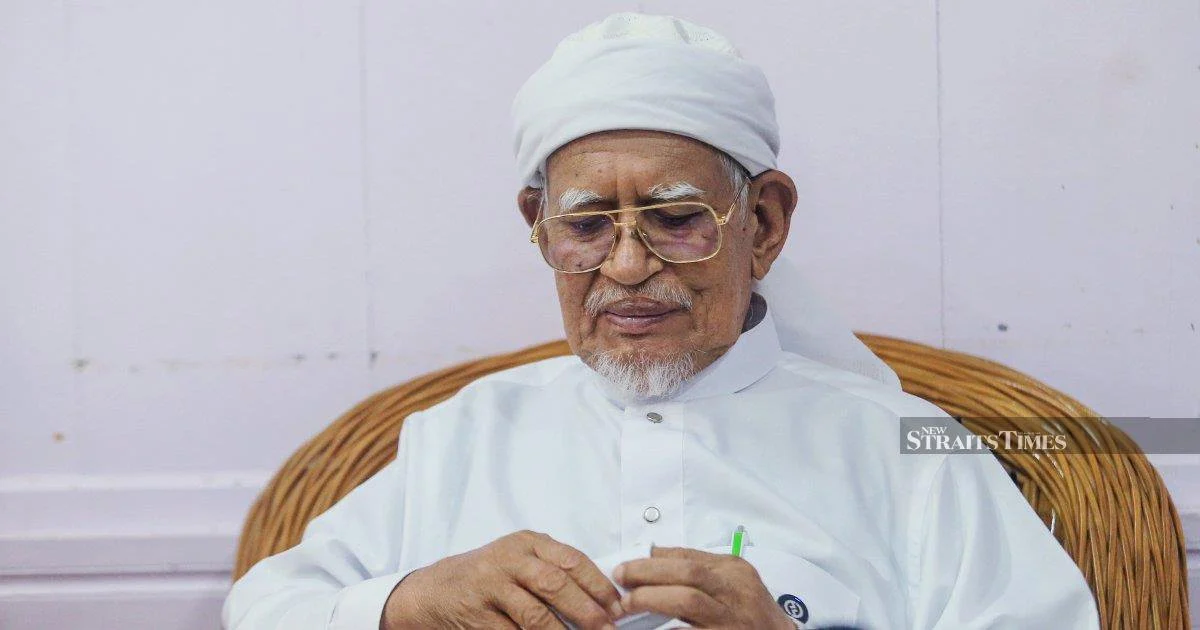
The Pan-Malaysian Islamic Party has moved to shore up political stability in Johor by publicly committing to assist the United Malays National Organisation in state government formation should the Barisan Nasional coalition fall shy of the simple majority required in Saturday's election. The announcement, made in Muar, reflects intensifying coalition-building efforts ahead of the vote and underscores the critical calculations between Malaysia's two principal Malay-Muslim political forces as they jostle for influence in the southern state.
The overture from PAS carries particular significance given the fractious nature of Malay-Muslim politics in recent years. Barisan Nasional, the traditional ruling coalition, has faced mounting pressure from multiple quarters, and the prospect of needing external support to form a state government would mark a notable shift from the organisation's historical dominance in Johor. The state has long served as a cornerstone of Barisan Nasional's power base, making any scenario requiring coalition partners highly consequential for the bloc's broader standing.
PAS's willingness to extend a helping hand appears calculated to secure a strategic foothold in Johor's political architecture. By positioning itself as a potential coalition partner rather than adversary, PAS evidently seeks to influence governance priorities and secure representation in any executive that emerges. Such arrangements have become increasingly common across Malaysian states as electoral fragmentation has eroded the capacity of individual parties to govern unilaterally.
The timing of PAS's statement carries implications for voter sentiment and expectations heading into Saturday's poll. By suggesting a backup mechanism for government formation, PAS effectively signals confidence that Barisan Nasional might indeed encounter challenges in securing sufficient seats. This framing could influence electoral calculations among swing voters and party supporters, who may adjust their strategic voting accordingly depending on their preference for which coalition or arrangement should emerge victorious.
For Umno specifically, the PAS offer provides reassurance that alternative pathways to power remain available even if the ballot produces a fragmented outcome. This safety net potentially emboldens Umno's campaigning posture by reducing the perceived risk of election loss. However, accepting such support would necessarily require concessions on policy and portfolio distribution, matters that invariably trigger internal party tensions and questions about leadership credibility.
The broader Barisan Nasional apparatus faces a fundamental test in Johor, a state where the coalition has traditionally exercised near-hegemonic control. Any dependence on external partners to form government would represent a erosion of that historical advantage and signal shifting electoral dynamics within Malay-Muslim constituencies. The ramifications extend beyond Johor itself, potentially reshaping calculations across other states where Barisan Nasional contests or governs.
From a regional perspective, these developments reflect the increasingly complex coalition mathematics that now characterise Malaysian electoral politics post-2018. The days when single-coalition majorities could be assumed have largely vanished, replaced by scenarios requiring delicate negotiations among multiple actors. This fragmentation, while creating opportunities for smaller parties to exercise disproportionate influence, simultaneously complicates governance and policy-making by introducing multiple veto players into executive decision-making.
PAS, which has undergone significant organisational and ideological evolution, appears intent on positioning itself as a stabilising force within Malaysia's Islamic and Malay-Muslim political constituencies. By offering support rather than opposition, the party projects an image of constructive engagement with governance rather than purely oppositional politics. This approach potentially expands PAS's potential governing partners beyond traditional constituencies and enhances its relevance across multiple states and scenarios.
The PAS gesture also reflects pragmatic calculation regarding the limitations of zero-sum competitive approaches in contemporary Malaysian politics. The Islamist party has learned through experience that cooperation often yields greater dividends than pure competition, particularly when dealing with parties that command larger voter bases and resource advantages. Such calculations have gradually reshaping the landscape of Malay-Muslim political competition, introducing greater fluidity and flexibility into coalition formations.
For voters and observers assessing Saturday's election, PAS's readiness to participate in post-election government formation represents an important data point. It suggests that regardless of the precise arithmetic produced by ballot counting, mechanisms likely exist to translate electoral outcomes into functioning state administration. This institutional confidence, while potentially undermining campaigns built on existential contestation, ultimately serves governance stability and democratic legitimacy by reducing incentives for protracted post-election disputes.
The announcement also illuminates the ongoing repositioning of Malaysia's Islamic parties within the nation's broader political economy. As parties compete for relevance and influence amid fragmenting voter bases, partnership and coalition frameworks have become central to strategic success. PAS's overture demonstrates sophisticated understanding of these realities and suggests the party remains committed to participating actively in Malaysian governance structures rather than confining itself to perpetual opposition status.

