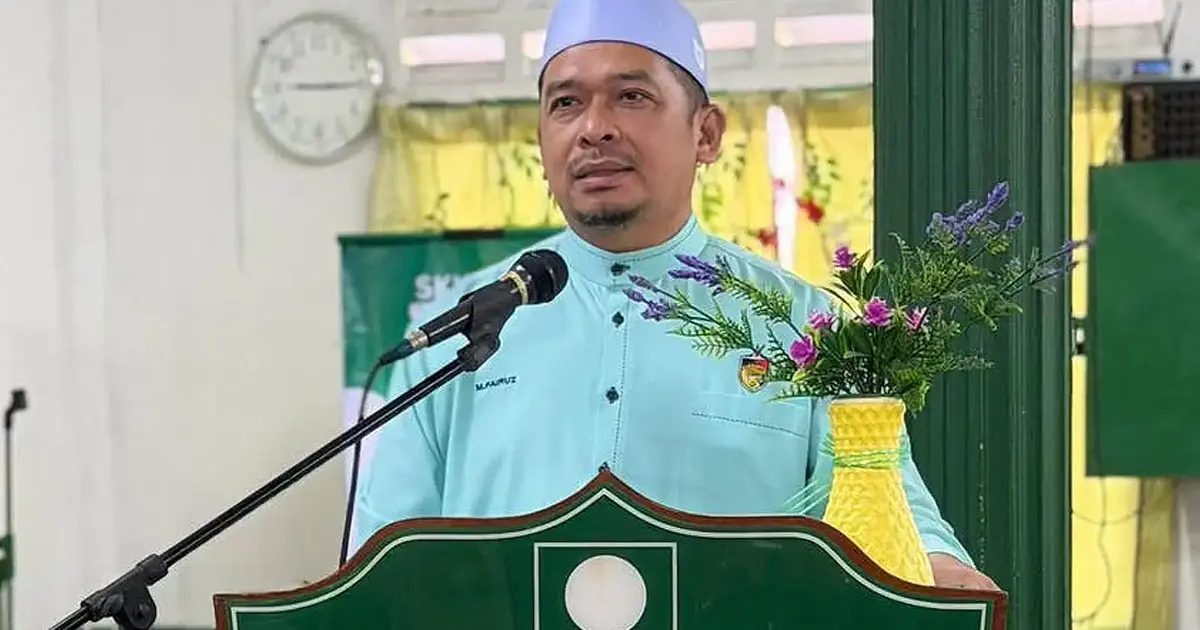
The Malaysian Islamic Party has adopted a more confrontational electoral approach in Negeri Sembilan, with its state leadership signalling intentions to challenge the Democratic Action Party's hold over several constituencies. State PAS chief Fairuz Isa revealed the party's strategic pivot during recent remarks, emphasising that the Muslim-majority party sees opportunity in districts where the Malay demographic constitutes approximately 40% of registered voters. This represents a notable shift in coalition dynamics and hints at potential friction within existing political arrangements in the state.
The targeting of DAP seats reflects broader recalibrations occurring within Malaysia's political landscape, where component parties within larger coalitions increasingly vie for electoral dominance. Negeri Sembilan has historically seen DAP maintain considerable presence in state assembly seats, particularly in urban and semi-urban areas where the party has cultivated support across diverse communities. PAS's calculated move suggests the Islamic party believes demographic shifts and changing voter preferences have created openings in constituencies previously considered secure for the Chinese-led opposition party.
Fairuz Isa's announcement carries significance beyond simple inter-party competition. The 40% Malay voter threshold he cited indicates PAS is identifying seats where ethnic composition may favour Islamic-oriented messaging and concerns, potentially exploiting community issues that resonate strongly with Muslim constituents. This demographic-focused strategy represents a more granular approach to electoral planning, moving beyond broad territorial claims to target specific communities where party messaging might gain traction.
For DAP, these declarations foreshadow intensified ground challenges in the Negeri Sembilan state elections. The party has traditionally positioned itself as a multiracial alternative capable of attracting support from Malay voters alongside Chinese and Indian communities, distinguishing itself from more communal competitors. PAS's explicit focus on constituencies with significant Malay populations suggests the Islamic party views this particular demographic as persuadable, potentially undermining DAP's multiracial credentials in these areas through targeted community engagement and religious messaging.
The Negeri Sembilan political arena has experienced considerable volatility in recent years, with voter sentiment shifting in response to national political developments and state-specific governance issues. The state's moderate urbanisation and mixed ethnic composition across districts create a fragmented electoral landscape where different voter groups prioritise distinct issues. PAS's calculation that constituencies with 40% Malay voters represent viable targets suggests the party has conducted detailed demographic analysis and believes current conditions favour its candidacies in these particular seats.
This development also illuminates how Malaysian political coalitions remain organisationally fluid despite formal alliances. While PAS and DAP may nominally cooperate within broader national or state arrangements, competition between parties fundamentally remains a zero-sum game during elections. State-level politics frequently operates according to different dynamics than national politics, allowing component parties to pursue conflicting interests without destabilising formal coalitions, though such tensions can accumulate and eventually force reckoning.
The timing of Fairuz Isa's comments carries strategic weight, potentially serving both to mobilise PAS grassroots supporters and signal negotiating positions ahead of eventual candidate nomination processes. By publicly staking claims to specific seats, the party leadership establishes negotiating leverage when discussions occur regarding seat allocation if formal cooperation continues with coalition partners. Such public positioning also tests voter receptivity, providing early feedback about the viability of PAS candidates in territories the party seeks to penetrate.
For Malaysian voters in Negeri Sembilan, particularly those in constituencies identified as targets, this political manoeuvring presents both choice and uncertainty. PAS's campaign will likely emphasise Islamic governance principles, community-centred policies, and alternative approaches to issues affecting Malay Muslim communities. Depending on how these campaigns develop, voters may experience substantive policy differences, or alternatively, largely personality-driven contests between competing candidates offering similar governance philosophies.
The broader implications for Negeri Sembilan governance extend beyond seat counts. If PAS successfully captures constituencies from DAP, the state assembly's composition and ideological orientation would shift, potentially affecting priorities ranging from economic development strategy to religious affairs management and inter-community relations. Different parties bring divergent perspectives to state governance, and meaningful electoral changes produce tangible policy consequences affecting residents' daily lives.
Regionally, Negeri Sembilan's electoral dynamics deserve attention from observers tracking Malaysian politics generally. The state functions as an intermediate laboratory where different coalition arrangements and inter-party dynamics play out before potentially scaling to national levels. How competition between PAS and DAP develops in constituencies identified by Fairuz Isa will provide important indicators regarding broader Malay political preference trends and the relative organisational strength of competing parties among this crucial demographic group.