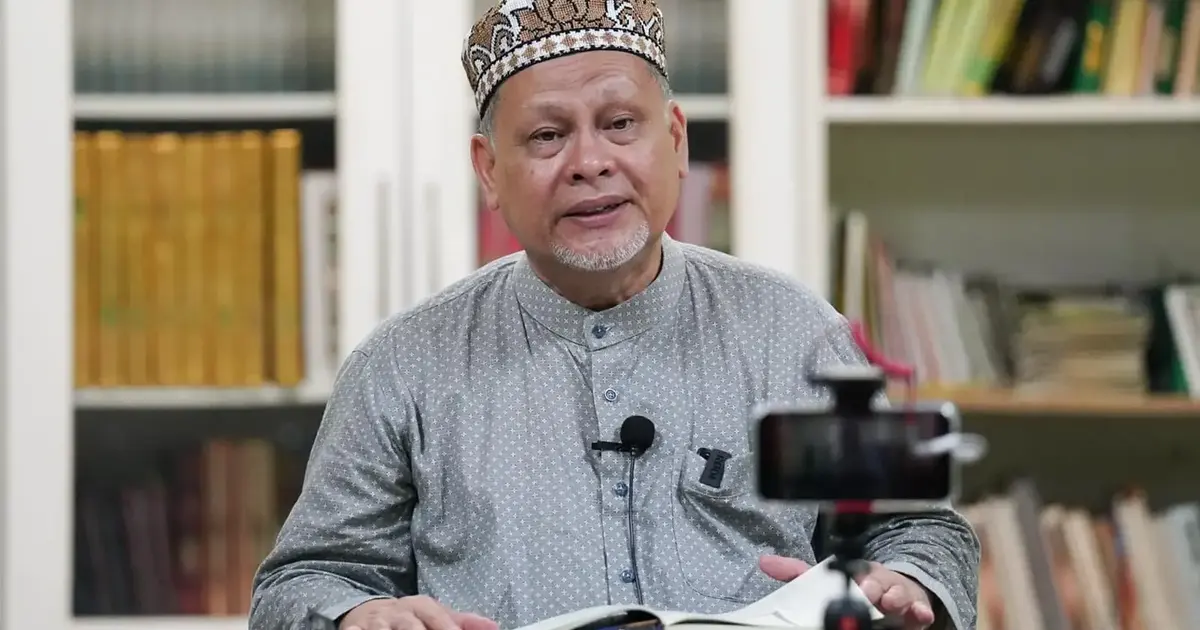
Perikatan Nasional's fragile unity faces fresh strain as PAS leadership signalled openness to direct competition with Bersatu in the coming Negeri Sembilan state election. Amar Abdullah, the deputy president of PAS, indicated the Islamic party harbours no reservations about fielding candidates in the same constituencies where Bersatu might run, a statement that underscores simmering tensions within the coalition partnership.
The remarks from Amar Abdullah reflect deeper complexities within Perikatan Nasional, the opposition alliance that brings together PAS, Bersatu, and several other component parties. While the coalition has functioned as a unified political force at federal level and in several states, internal disagreements over seat allocation and strategic direction have periodically threatened cohesion. The Negeri Sembilan electoral contest now looms as a potential flashpoint where these tensions could crystallise into open competition.
For Malaysian observers, this development carries significance beyond the immediate Negeri Sembilan race. The state election serves as a barometer for how well opposition coalitions can maintain discipline and avoid the cannibalistic competition that erodes electoral strength. PAS and Bersatu have occasionally clashed over territorial influence within Perikatan Nasional, with the latter viewing itself as the coalition's principal organising force while the former commands substantial grassroots mobilisation particularly among conservative Muslim voters. Such friction, if allowed to manifest fully during contested elections, could fragment the opposition vote and inadvertently benefit ruling parties.
Negeri Sembilan itself represents a battleground of considerable political importance. The state has typically swung between competing coalitions, with recent electoral cycles showing volatility in voter preferences. A unified Perikatan Nasional campaign would theoretically strengthen its competitive position against incumbents or rival opposition movements. Conversely, if PAS and Bersatu contest the same seats, vote-splitting becomes an immediate concern for both parties, potentially undermining their collective capacity to recapture or retain state assembly seats.
Amar Abdullah's statement also reflects PAS's growing confidence in its electoral apparatus and grassroots organisation. The party has emerged as a formidable political force in several states, particularly in the north and east coast regions where Islamic politics resonates strongly. In Negeri Sembilan, however, PAS faces a different demographic and political landscape, and the party's leadership may calculate that demonstrating willingness to contest independently enhances its negotiating position within Perikatan Nasional rather than weakens it. By signalling readiness to go it alone in overlapping constituencies, PAS leadership signals to its coalition partners that seat negotiations must be conducted seriously, lest the party pursue its own interests unilaterally.
Bersatu, meanwhile, holds its own strategic interests in Negeri Sembilan. The party emerged as a significant political actor following its formation and initial alignment with then-Prime Minister Muhyiddin Yassin. While Bersatu's electoral footprint remains more modest than PAS, the party commands organisational resources and claims to represent a cross-communal, multiracial political platform within the Perikatan Nasional structure. Competition with PAS in Negeri Sembilan would test Bersatu's capacity to mobilise voters independently, particularly in constituencies where PAS's Islamic messaging might dominate political discourse.
The timing of Amar Abdullah's comments raises questions about whether formal seat allocation negotiations have stalled between the two parties. Coalition partners typically resolve such matters through structured discussions involving senior leadership and party strategists. Public declarations of readiness to contest the same seats often indicate that behind-the-scenes negotiations have reached an impasse or that one party wishes to increase pressure on coalition partners to accept its territorial demands. For PAS, such public positioning may serve to demonstrate to internal party cadres that leadership is defending the party's interests assertively.
Regionally, this development reflects broader patterns of coalition instability that have characterised Malaysian opposition politics. Unlike the Barisan Nasional, which functioned as a disciplined coalition framework for decades, newer alliances like Perikatan Nasional and Pakatan Harapan have struggled to maintain seat discipline and prevent internal competition. The Southeast Asian context reveals similar coalition vulnerabilities elsewhere, where partner parties prioritise maximising their own electoral gains over collective coalition performance, sometimes undermining broader strategic objectives.
For Negeri Sembilan voters, potential multi-cornered contests in certain constituencies could fragment the opposition vote, particularly if both PAS and Bersatu field candidates that split the anti-incumbent vote. Alternatively, if both parties ultimately honour an agreed allocation, Amar Abdullah's statement would have successfully pressure-tested coalition flexibility and demonstrated PAS's negotiating leverage. The weeks ahead will reveal whether these public declarations translate into actual contest situations or function as bargaining positions that ultimately resolve through compromise.
The broader implications extend to Perikatan Nasional's viability as a sustained political force. Coalitions that cannot manage internal competition effectively risk becoming vehicles for individual parties to maximise their own positions rather than collective advancement. For PAS, maintaining Perikatan Nasional unity while protecting its own interests represents a delicate political balance. Amar Abdullah's statements suggest the party intends to navigate that tension actively, signalling both commitment to coalition objectives and preparedness to act independently when necessary.

