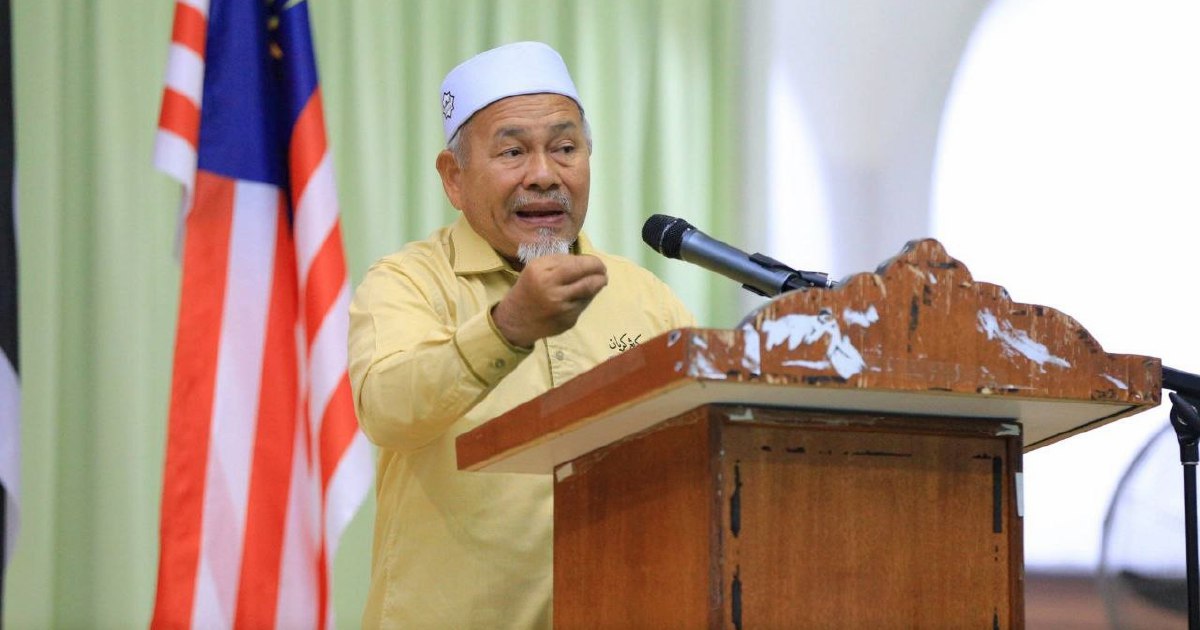
The Islamic Party of Malaysia (PAS) has signalled flexibility in its coalition arrangements with UMNO, with senior party leadership indicating a readiness to relinquish some of its existing state assembly and parliamentary seats in favour of its Barisan Nasional ally. During remarks made in Temerloh, PAS deputy president Datuk Seri Tuan Ibrahim Tuan Man conveyed that such constituency transfers remain negotiable, provided specific terms are satisfied as both parties prepare for forthcoming elections.
This overture represents a strategic recalibration within the ruling Barisan Nasional coalition, which has undergone significant realignment since PAS and UMNO formalised their partnership in recent years. The two parties have historically competed fiercely for Malay-Muslim voter support, and any formal seat-sharing agreement would represent a substantial shift in their electoral calculus. By publicly acknowledging his party's willingness to consider such adjustments, Tuan Ibrahim has effectively opened negotiations that could reshape the political landscape across multiple constituencies, particularly in states where both parties maintain strong grassroots presence.
The strategic implications of seat-swapping discussions extend beyond mere seat allocation mathematics. For UMNO, securing additional constituencies from PAS would strengthen its numerical position within parliament and state assemblies, potentially shoring up Barisan Nasional's overall parliamentary strength. The party has faced sustained pressure from opposition forces in recent years and view coalition consolidation as essential for electoral viability. For PAS, demonstrating willingness to compromise on seat distribution underscores its commitment to the coalition framework while potentially securing concessions on policy matters or resource allocation that prove more valuable to the party's organisational interests than marginal seat gains.
The conditions attached to PAS's openness toward seat swaps remain deliberately unspecified at this stage, reflecting the early phase of coalition negotiations. Historically, such preconditions in Malaysian political arrangements have encompassed guarantees regarding candidate quality, assurances that surrendered seats would remain within coalition control, commitments regarding resource distribution, and understandings about ministerial or leadership positions. These negotiations typically occur behind closed doors, with public statements serving as signals of both flexibility and parameters that individual parties consider non-negotiable.
Temerloh, located in Pahang where both PAS and UMNO maintain substantial electoral presence, provides a symbolically significant venue for such announcements. Pahang represents microcosm territory where the two parties compete directly, and any seat-sharing framework would inevitably affect multiple constituencies across the state. The choice of location underscores that these negotiations carry concrete implications for specific constituencies and their incumbent representatives, many of whom may face displacement or consolidation of their political positions depending on final arrangements.
For Malaysian political observers, this development signals that Barisan Nasional coalition partners are actively preparing for electoral contests and taking pragmatic steps to strengthen their combined position. The coalition suffered significant setbacks in the 2018 general election and has worked steadily since then to rebuild credibility and electoral momentum. Seat-sharing arrangements represent one mechanism through which coalition parties demonstrate unity to voters whilst managing internal competition through negotiated compromise rather than direct electoral confrontation.
The broader context involves competition with Perikatan Nasional, a coalition dominated by PAS and featuring Bersatu and smaller partners, which presents an alternative political vehicle for Islamic-oriented governance. UMNO's relationship with PAS thus remains complicated, as they function simultaneously as coalition allies within Barisan Nasional and as competitors within the wider Malay-Muslim political ecosystem. Seat swaps effectively partition constituencies between these two governing coalitions, reducing direct competition and allowing both to present unified tickets to voters.
From a Malaysian governance perspective, such arrangements raise questions about voter choice and party competition. When coalition partners effectively divide constituencies without competitive contests, voters in those areas face predetermined choices rather than genuine electoral competition. However, proponents argue that coalition stability and unified governance agendas justify such arrangements, particularly when opposition coalitions employ similar strategies. Southeast Asian politics frequently features such seat-division agreements, with Thailand, Indonesia, and the Philippines all exhibiting comparable coalition management practices.
The timeline for finalising these seat-sharing arrangements remains unclear, though both parties must coordinate well before nomination periods commence. Electoral commissions typically provide limited flexibility once nomination deadlines arrive, making advance coordination essential for smooth implementation. PAS's public signalling of willingness to negotiate suggests that substantive discussions are likely already underway within coalition structures, with public statements serving to build internal consensus and manage expectations among party members who might otherwise resist surrendering winnable seats.
For Malaysian voters and political analysts, developments in coalition negotiations carry implications extending far beyond ceremonial seat allocations. These arrangements effectively determine which parties control which geographical areas, influence how government resources flow to constituencies, and shape the legislative agenda pursued by dominant coalition forces. Whether seat-sharing ultimately strengthens Barisan Nasional's electoral position or merely masks underlying organisational challenges remains to be seen once electoral results arrive.

