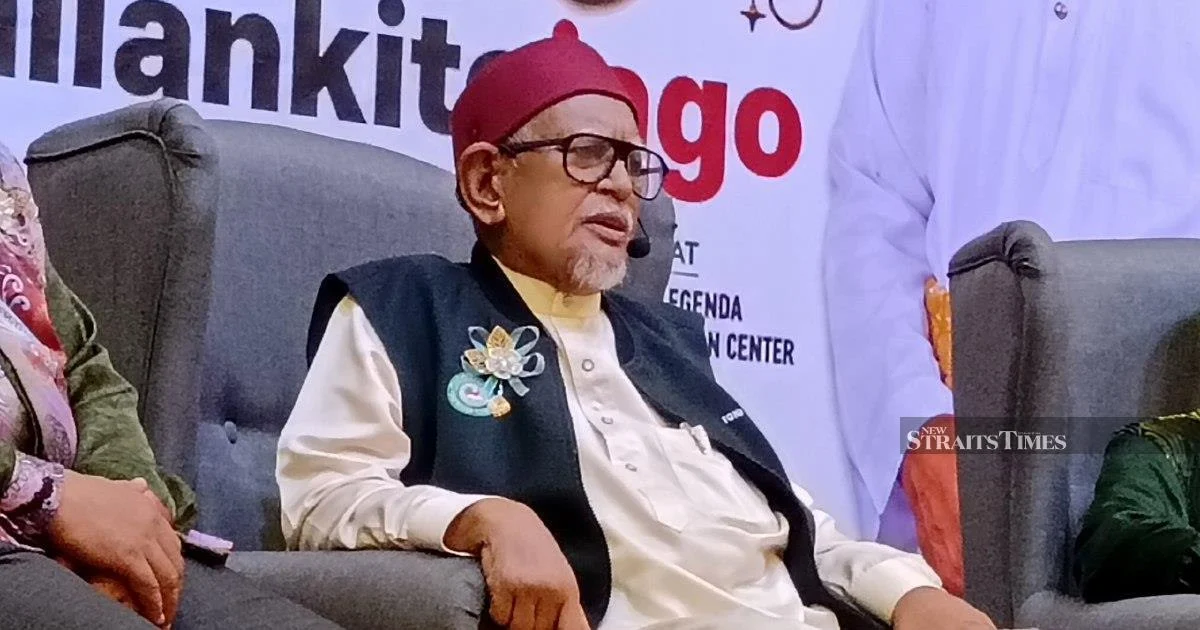
Islamist party PAS has opened the door to backing an Umno figure as menteri besar of Negri Sembilan, provided ongoing seat negotiations between the two Malay-dominant parties reach agreement in time for the August 1 state election. The statement represents a significant pragmatic shift in PAS's positioning, reflecting the intricate coalition mathematics that dominate Malaysian state politics.
PAS president Abdul Hadi Awang made the disclosure in Seremban, indicating that the party recognises the political realities of governing in Negri Sembilan. Rather than insisting on party leadership of the state administration, PAS appears willing to play a supporting role if such an arrangement facilitates a united front against competing coalitions. This flexibility underscores how Malaysian political alliances often pivot on seat allocation rather than ideological compatibility.
The timing of the announcement carries particular weight given Malaysia's evolving political landscape. Negri Sembilan has become a focal point in broader coalition strategies, with both Pakatan Harapan and Perikatan Nasional eyeing control of the state legislature. PAS, which has shifted its alignment multiple times in recent years, now occupies a kingmaker position in several states. The willingness to compromise on the menteri besar post suggests PAS calculations are focused on maximising parliamentary seats rather than securing top executive positions.
Seat negotiations between PAS and Umno in Negri Sembilan have been complex, reflecting longstanding tensions between the two parties despite their current cooperation at federal level. Both parties field substantial membership bases and harbour legitimate ambitions in the state. The challenge lies in determining which constituencies each party contests, how to avoid damaging three-cornered fights, and which coalition partner gets first crack at the menteri besar post. These technical discussions form the unglamorous but essential backbone of Malaysian electoral politics.
For Umno, securing the menteri besar position in Negri Sembilan would represent a significant symbolic and practical victory. The party has rebuilt itself following the 2018 electoral tsunami and subsequent legal troubles affecting senior leadership. A state menteri besar would consolidate Umno's rehabilitation efforts and demonstrate its continued relevance in Malaysian governance. Umno's capacity to govern remains crucial to its political narrative as Malaysia's oldest ruling party seeking redemption.
PAS's magnanimity on this issue likely reflects recognition that Umno fields stronger candidates in certain Negri Sembilan constituencies, particularly in Malay-majority districts where Umno retains traditional support structures. Rather than field weak candidates who might lose general elections, PAS apparently reasons that conceding the menteri besar position while controlling several state assembly seats provides optimal returns on campaign resources and organisational effort.
The August 1 election date creates urgency for coalition discussions. Political parties in Malaysia typically require several weeks to prepare campaign machinery, vet candidates, manage internal disputes over nominations, and conduct preliminary campaign activities. Extended negotiations risk depleting the campaign period, potentially disadvantaging PAS-Umno against more organised opposition coalitions that have already finalised their candidate lists and electoral strategies.
Negri Sembilan's political composition adds another layer of complexity. The state remains relatively competitive, with no single coalition enjoying overwhelming advantage. Urban constituencies trend toward Pakatan Harapan, while rural and semi-rural areas lean toward Perikatan Nasional and Umno. This fragmentation means the election could hinge on marginal seats and coalition efficiency, making disciplined cooperation between PAS and Umno genuinely consequential for determining the state government.
The negotiations also reveal underlying dynamics within Malaysia's Muslim-majority political ecosystem. Both PAS and Umno claim to represent Islamic interests and Malay-Muslim constituencies, yet their approaches diverge fundamentally. PAS emphasises Islamic governance and Quranic jurisprudence, while Umno prioritises Malay communal interests within a federal constitutional framework. That they can nonetheless cooperate on electoral matters reflects pragmatic recognition that political victory requires broad coalitions transcending ideological purity.
The menteri besar question symbolises broader power-sharing questions within Malay-Muslim politics. By demonstrating flexibility, PAS signals maturity in coalition management and pragmatism in pursuit of political objectives. Conversely, Umno's potential elevation to the menteri besar post depends on delivering electoral victories in constituencies where it can credibly compete, particularly against Pakatan Harapan-aligned candidates in urban areas and Perikatan Nasional candidates in rural zones.
Looking forward, the success or failure of these negotiations will influence similar seat-sharing discussions in other states. Malaysia's multiparty system increasingly functions through complex coalition arrangements, with parties frequently adjusting alliances between elections. How PAS and Umno resolve their Negri Sembilan differences will establish patterns potentially replicated elsewhere, affecting prospects for stable state governance across the peninsula.
For Malaysian voters, the coalition dynamics underscore a fundamental reality: state elections increasingly reflect national political alignments and coalition calculations rather than purely local issues or preferences. Citizens in Negri Sembilan will vote against the backdrop of these high-level negotiations, with the menteri besar selection determined by coalition arithmetic rather than direct popular choice. This phenomenon characterises modern Malaysian democracy, where representative government operates through party structures and coalition negotiations that often escape public scrutiny despite profound consequences for state administration and resource allocation.

