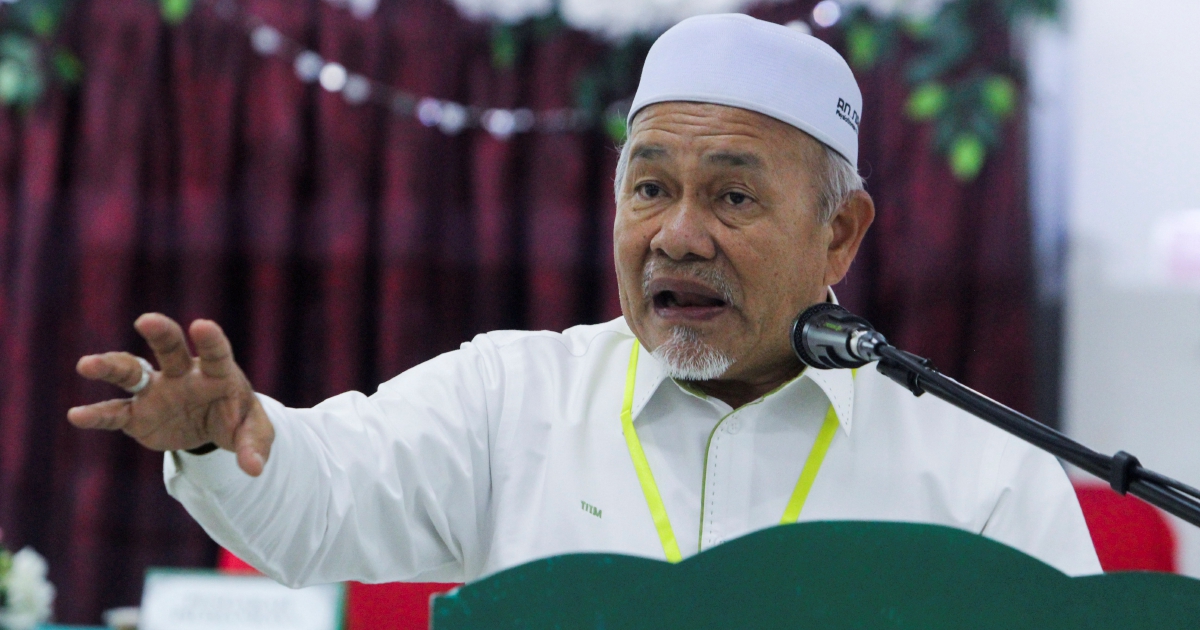
PAS deputy president Datuk Seri Tuan Ibrahim Tuan Man has distanced himself from the defamation action brought against him by Prime Minister Datuk Seri Anwar Ibrahim, placing full responsibility for the case in the hands of his legal representatives. Speaking in Kota Baru, the senior Islamist politician indicated his preference to remain on the sidelines while lawyers handle the dispute, a typical response that nonetheless carries significance given the high-profile nature of the complainant and the political sensitivities involved.
The decision reflects a pragmatic approach often adopted by political figures facing legal challenges, particularly when the opposing party holds the highest executive office in the country. By delegating the matter entirely to counsel, Tuan Ibrahim appears to be signalling that he intends to address the case through formal judicial channels rather than through public commentary or political posturing. This move suggests a recognition that engaging in public disputes with the Prime Minister could escalate tensions and potentially complicate legal proceedings.
The defamation case represents a significant moment in Malaysia's political landscape, where legal action between senior government and opposition figures remains relatively uncommon at this level. The involvement of the Prime Minister as plaintiff adds considerable weight and media attention to what might otherwise be a routine civil dispute. For PAS, which maintains a complex relationship with the Anwar-led government—simultaneously a coalition partner in certain configurations while competing for Islamic voter support—the lawsuit presents delicate political terrain.
Tuan Ibrahim's role as deputy president makes his positioning particularly important for party dynamics. PAS leadership has traditionally tried to balance pragmatic political alliances with ideological positioning, and public comments from senior party figures on controversial matters can create complications both within the party and in inter-party relations. By remaining silent on the matter and channelling all communication through lawyers, Tuan Ibrahim avoids the trap of generating additional statements that could be cited as further grounds for legal action or that might inflame existing tensions.
The delegation of a defamation case to legal counsel is standard practice in most jurisdictions, yet the public announcement of this decision carries political messaging value in Malaysia's context. It signals both professionalism and a desire to depoliticise the dispute, even as the nature of the case—involving the nation's highest political office—makes complete depoliticisation virtually impossible. Legal representation in defamation matters typically involves complex questions of fact, proof of falsehood, and demonstration of damage to reputation.
For observers of Malaysian politics, this development underscores the increasing role of courts in settling disputes between political figures. The Anwar administration has shown greater willingness to pursue legal remedies than some predecessor governments, reflecting either greater confidence in institutional processes or heightened sensitivity to perceived attacks on government credibility. The outcome of this particular case could establish important precedents regarding political speech and the boundaries of acceptable criticism directed at senior government officials.
PAS, as Malaysia's largest and most influential Islamic political party, operates within a framework where maintaining relationships with government—even when in opposition—serves the party's long-term interests. The Islamist party has previously served in federal government and remains a significant coalition member in several state administrations. Excessive public conflict with the Prime Minister could jeopardise these arrangements and complicate efforts to advance Islamic law agendas through government cooperation.
The legal process ahead will likely involve detailed examination of statements allegedly made by or attributed to Tuan Ibrahim, questions about their truth or falsity, and assessment of any consequent harm to the Prime Minister's reputation. Defamation law in Malaysia requires plaintiffs to establish that statements were false and damaging, though the burden of proof can shift in certain circumstances. The case will presumably proceed through Malaysia's civil courts, which already carry substantial caseloads.
From a broader perspective, this incident highlights the intersection of Malaysian politics and law, where judicial proceedings increasingly address conflicts that once might have been resolved through political negotiation or allowed to dissipate through public discourse. The move toward legal remedies for political disputes reflects changing expectations about accountability and institutional roles, though it also raises questions about whether courts represent the optimal venue for resolving fundamentally political disagreements.
Tuan Ibrahim's decision to maintain silence and rely entirely on legal professionals represents a strategic withdrawal from the public arena on this particular controversy. Whether this approach will insulate the PAS deputy president from further political consequences, or whether it signals a significant rupture in his relationship with the Prime Minister's administration, will likely become clearer as the legal proceedings unfold. For now, the matter rests with the courts and the lawyers engaged to represent both parties' interests.

