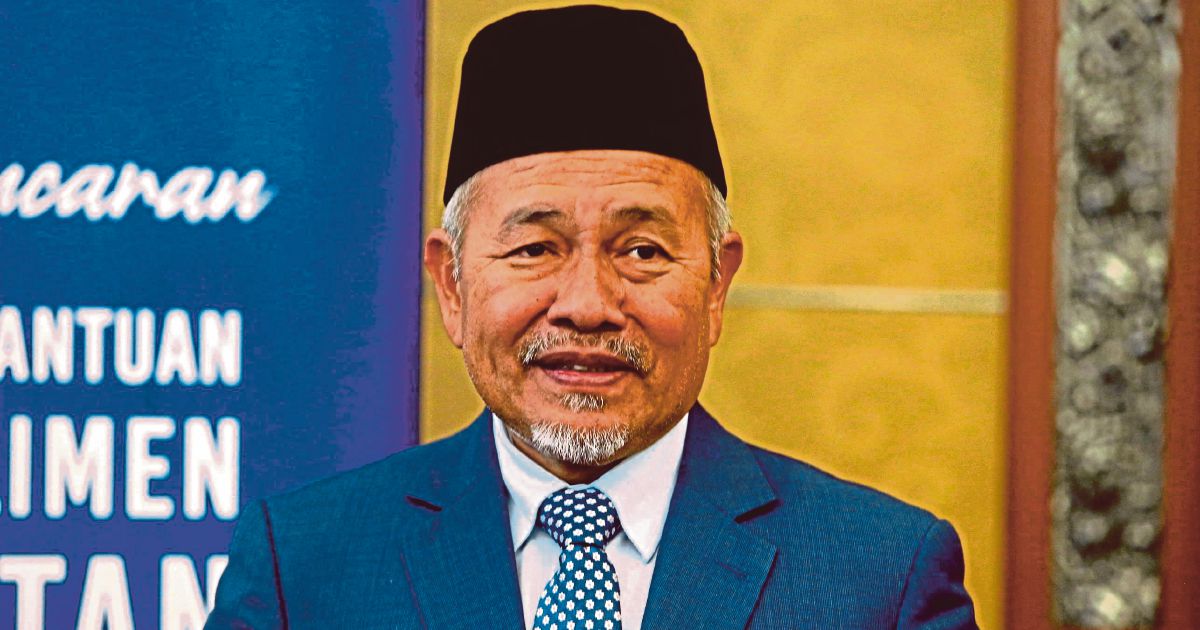
Negri Sembilan's political landscape has shifted sharply with Umno's dramatic withdrawal of backing from the state government, a decision that has drawn praise from unexpected quarters within the coalition. In Seremban, Pas deputy president Datuk Seri Tuan Ibrahim Tuan Man characterised the move as politically courageous, suggesting it will reshape electoral dynamics ahead of the anticipated state election.
The significance of Umno's decision extends beyond routine parliamentary manoeuvring. By stepping back from its previous position of support, the party has effectively reset the political terms in one of Malaysia's smaller but strategically important states. This realignment reflects deepening tensions within the governing coalitions that have defined Malaysian politics since the 2022 general election, when the historic Barisan Nasional suffered unprecedented losses.
Tuan Ibrahim's intervention carries particular weight given the traditional rivalry between Pas and Umno. The two parties have spent decades competing for Malay-Muslim support, yet their capacity to acknowledge tactical shifts suggests a pragmatic recalibration of their respective positions. His characterisation of the move as opening the floor to voters implies recognition that political stability in Negri Sembilan cannot be imposed through entrenched coalitional arrangements alone.
For the broader Pakatan Harapan coalition and its allies governing Negri Sembilan, Umno's withdrawal represents both challenge and opportunity. The state government now faces heightened uncertainty regarding its legislative majority and policy implementation capacity. However, the forced test of political legitimacy through fresh electoral competition could strengthen the hand of whichever coalition ultimately prevails with clearer popular endorsement.
Negri Sembilan occupies a unique position within Malaysia's federal structure. Though smaller than Selangor or Johor in terms of population and economic output, it serves as a bellwether for political sentiment in central Malaysia. The state's electoral trends have historically influenced perceptions of momentum heading into national contests. A fresh state election would therefore generate signals watched closely by political analysts and operatives across the country.
The mechanics of Umno's reversal warrant examination. Previously aligned with the state government, the party's sudden departure suggests resolving internal disputes that had simmered beneath public view. Whether the withdrawal stems from disagreements over resource allocation, internal leadership competitions, or ideological fractures within the governing coalition remains important context for understanding the stability of Malaysian state administrations more broadly.
Pas's public appreciation of Umno's decision, even from a position of former opposition, reflects how Malaysian political discourse has become increasingly transactional. Rather than ideological confrontation, parties now routinely acknowledge tactical moves by rivals when such moves serve broader political interests. This evolution has made coalition management considerably more complex, as the traditional rules binding parties together have weakened considerably.
The timing of any fresh election will prove crucial for multiple actors. The Negri Sembilan state government, if required to face voters imminently, may struggle to campaign on record achievements given the usual challenges of mobilising support during periods of administrative uncertainty. Conversely, opposition coalitions gain advantage from destabilisation that creates space for their narratives to gain traction with undecided voters.
For Malaysian political observers, Negri Sembilan's situation illustrates broader fragmentation within post-2022 governance structures. The Barisan Nasional's historic defeat fundamentally disrupted coalition mathematics that had endured since Malaysia's independence. Subsequent state elections in Johor, Terengganu, and Kedah have reflected volatile voter sentiment and realigned party alliances. Negri Sembilan now joins this pattern of political restructuring.
Umno's calculations likely factor in national-level implications. The party faces pressure to rebuild its electoral standing and demonstrate effectiveness in state-level administration. Withdrawing from a potentially untenable position may allow the party to contest future elections from stronger ideological and organisational footing. This strategic recalibration suggests Umno leadership views Negri Sembilan as terrain where clearer electoral mandates serve the party's longer-term reconstruction better than continuing unstable coalition arrangements.
Pas, meanwhile, maintains flexibility regarding Negri Sembilan politics. The party's praise for Umno's move positions Pas as a reasonable political actor willing to acknowledge good-faith decisions by rivals. This posturing may prove valuable should discussions emerge regarding coalition options in a post-election scenario. Within Malaysian politics, such positioning often precedes substantive negotiations.
For ordinary Negri Sembilan residents, the uncertainty ahead carries practical consequences. Electoral contests absorb administrative resources and create periods of policy drift as governments enter caretaker status. However, they also provide opportunities for voters to refresh their mandates and recalibrate which coalitions receive their support. The coming months will test whether this political volatility can be channelled toward more representative governance outcomes.

