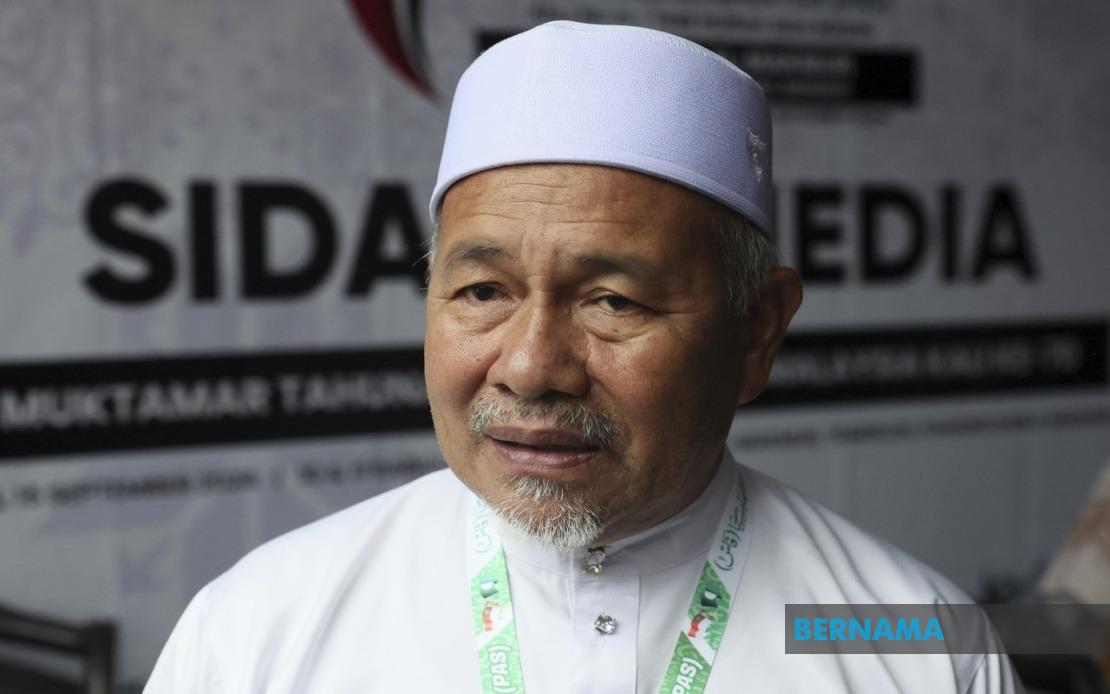
The political pressure on authorities to apprehend fugitive businessman Low Taek Jho—better known as Jho Low—intensified this week when the Pan-Malaysian Islamic Party (PAS) weighed in on the prolonged legal saga. During remarks made at an event in Kota Bharu, PAS deputy president Datuk Seri Tuan Ibrahim Tuan Man articulated a firm position that Malaysia must take the lead in prosecuting the financier at the centre of the 1Malaysia Development Berhad (1MDB) embezzlement scandal, irrespective of any judicial outcomes or decisions originating from Washington. His intervention reflects growing political concern that the case could slip away from Malaysian jurisdiction without adequate resolution.
The timing of PAS's statement carries particular significance given recent international speculation about the fugitive's potential fate. News agencies reported that Jho Low featured among approximately 250 individuals being evaluated for presidential pardon as part of celebrations marking the 250th anniversary of American independence. This development has sparked considerable apprehension among Malaysian political leaders who fear that a US pardon could effectively shield the businessman from accountability in his home country. Tuan Ibrahim's remarks therefore serve as a public reminder that Malaysia possesses its own sovereign legal framework and need not defer to American executive clemency decisions when pursuing its domestic interests.
The PAS deputy president emphasised that Malaysia stands as the primary victim of Jho Low's alleged financial misconduct. The 1MDB affair, which unfolded across multiple continents and implicated numerous institutions and individuals, has exacted an immeasurable toll on the nation's economy, reputation, and public trust in governance. Billions of ringgit in state funds were misappropriated through schemes involving complex international transactions, money laundering networks, and shell corporations. Malaysian citizens remain the ultimate bearers of this loss, making the country's claim to prosecute the case particularly compelling from both moral and legal perspectives. By invoking this principle, Tuan Ibrahim has positioned Malaysia's pursuit of justice not merely as a procedural matter but as an economic and social imperative.
Tuan Ibrahim explicitly urged relevant government agencies to accelerate the extradition process and subsequent trial procedures. His call reflects accumulated frustration with the extended timeframe during which Jho Low has evaded capture and formal prosecution. The businessman's prolonged absence from Malaysian courtrooms—despite mounting legal processes initiated in multiple jurisdictions—has become a symbol of the investigation's protracted nature and the challenges inherent in pursuing international financial crimes. An expedited judicial process, from Tuan Ibrahim's perspective, would demonstrate Malaysian authorities' commitment to resolving this chapter and restoring public confidence in the rule of law.
Prime Minister Datuk Seri Anwar Ibrahim had similarly reaffirmed the government's determination to pursue Jho Low just days earlier, signalling that Malaysia would not abandon its legal claims regardless of external developments. This consistent messaging from both executive leadership and opposition-aligned political figures underscores a rare convergence of political will across the Malaysian establishment. Such unity, though somewhat surprising given Malaysia's typically fractious political landscape, reflects the seriousness with which officials regard the case and the potentially destabilising consequences of allowing the fugitive to escape accountability.
The international dimension of the Jho Low case illustrates the complexities facing developing economies in pursuing high-profile financial criminals with global networks and resources. While Malaysia has pursued multiple avenues—from Interpol red notices to bilateral extradition negotiations with countries including Switzerland, Singapore, and the United States—the businessman's sophisticated financial arrangements and international movement have repeatedly complicated enforcement efforts. The possibility of a US presidential pardon introduces an additional layer of uncertainty that Malaysian authorities cannot fully control, highlighting the vulnerability of jurisdictions dependent on reciprocal enforcement cooperation.
For Malaysian policymakers, the 1MDB scandal extends beyond the fate of one individual. It encapsulates systemic failures in financial oversight, institutional accountability, and governance that continue to shape public discourse and reform initiatives. The trial of Jho Low would serve multiple functions: establishing definitive legal findings regarding specific charges, providing public transparency through judicial proceedings, and potentially recovering assets that could be returned to the Malaysian state. Each of these outcomes carries significance for rebuilding institutional credibility and demonstrating that high-profile perpetrators of financial crime face genuine consequences within the Malaysian legal system.
The case also reflects Malaysia's evolving position within global anti-corruption frameworks and financial crime enforcement networks. By insisting on jurisdiction over Jho Low, Malaysian authorities assert the principle that capital flight and international sophistication cannot provide sanctuary for those accused of defrauding the state. This position aligns Malaysia with international norms against impunity while simultaneously protecting the country's economic and legal sovereignty. Regional observers view Malaysia's persistence in pursuing this case as setting precedent for how Southeast Asian nations can maintain investigative momentum and legal authority when confronting transnational financial crimes.
The political rhetoric surrounding Jho Low's prosecution also intersects with Malaysia's domestic governance agenda. The new administration under Anwar Ibrahim has emphasised anti-corruption as a cornerstone of its reform platform. Successfully bringing Jho Low to trial would provide tangible evidence of government resolve on this front. Conversely, allowing the case to languish or be superseded by external judicial decisions would contradict the administration's stated commitments and invite criticism from both parliamentary colleagues and civil society observers monitoring accountability standards.
Looking forward, Malaysian authorities face the dual challenge of accelerating domestic legal proceedings while simultaneously managing international diplomatic and legal negotiations. The extradition process requires cooperation with multiple jurisdictions and navigation of varying legal standards and political considerations. The potential for a US presidential pardon introduces unpredictability that extends beyond Malaysia's control, yet the nation's insistence on prosecuting Jho Low domestically at minimum preserves the legal foundation for future action should circumstances change or should the individual eventually become accessible to Malaysian authorities through alternative channels.
For broader Southeast Asian context, the Jho Low case represents a watershed moment in regional capacity to pursue complex financial crime investigations and extraditions. Malaysia's persistence—despite considerable obstacles and international complications—demonstrates that ASEAN nations need not resign themselves to financial criminals operating with impunity. The principles articulated by PAS and the government regarding Malaysia's sovereign legal authority and primary claim to jurisdiction establish important precedents for regional financial crime enforcement. Whether these principles ultimately translate into Jho Low's conviction in Malaysian courts remains to be determined, but the political commitment is unambiguous and unlikely to diminish regardless of developments in other jurisdictions.

