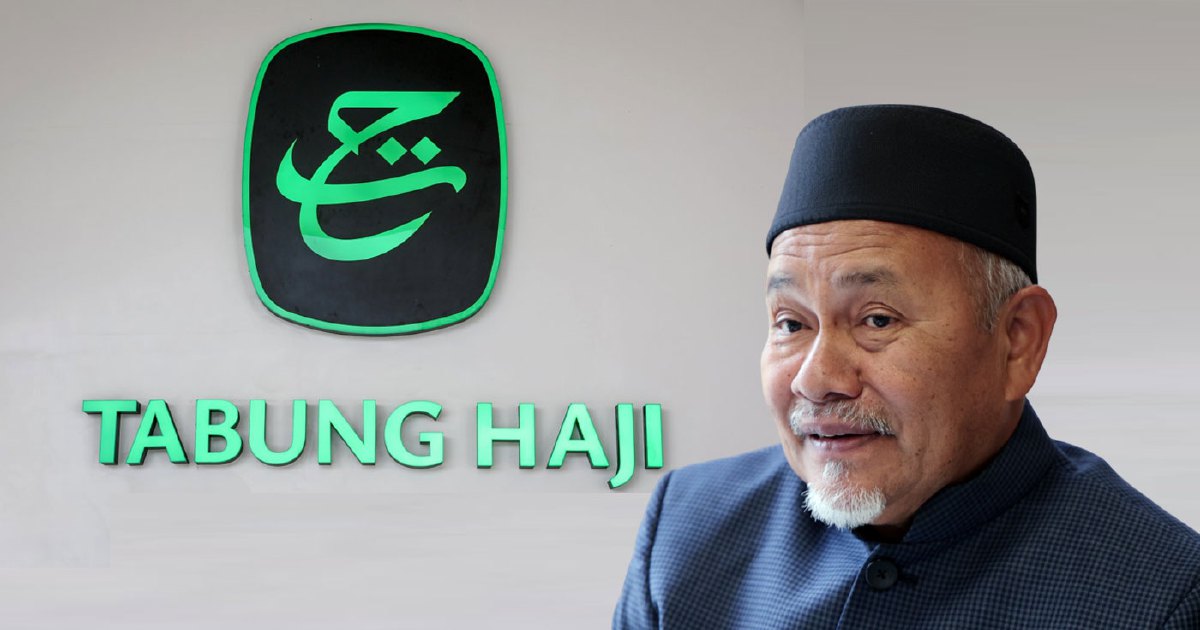
The government's commitment to holding a special parliamentary session dedicated to the Tabung Haji Royal Commission of Inquiry report has drawn support from PAS, signalling potential cross-party consensus on addressing the pilgrimage fund's governance challenges. Datuk Seri Tuan Ibrahim Tuan Man, deputy president of the Islamic party, publicly endorsed the decision to set aside dedicated parliamentary time for this critical examination, underlining the issue's significance for Malaysia's Muslim community and national institutions.
Tabung Haji's operational and governance difficulties have long concerned Malaysian stakeholders, particularly those with savings held by the fund and the broader Muslim population dependent on its pilgrimage services. The establishment of a Royal Commission of Inquiry represented a formal acknowledgement of systemic problems requiring high-level investigation. That the findings now warrant a special parliamentary sitting—rather than routine debate—indicates the severity of issues uncovered and the government's recognition of their national importance.
PAS's endorsement reflects the party's positioning as a guardian of Islamic institutions, even as it navigates its complex relationship with the ruling coalition. By welcoming the parliamentary session, the party frames itself as supportive of transparency and accountability mechanisms while maintaining credibility with its base of Muslim voters who have financial and spiritual stakes in Tabung Haji's operations. This stance also allows PAS to remain constructive within government frameworks while advocating for stakeholder interests.
However, PAS's deputy president went further than mere endorsement, emphasizing that parliamentary discussion alone would prove insufficient without concrete follow-up action. This distinction proves crucial: many high-level inquiries and parliamentary debates in Malaysia have historically concluded without implementing substantive reforms, leaving complainants frustrated and systemic problems unresolved. By insisting on actionable outcomes, Tuan Ibrahim is positioning his party as outcome-focused rather than merely performance-oriented.
The call for follow-up measures suggests PAS anticipates the RCI report will reveal specific governance failures, financial mismanagement, or operational shortcomings requiring remedial policy changes. Whether involving leadership restructuring, enhanced board oversight, improved fund management practices, or regulatory adjustments, the party is signalling it will not accept recommendations gathering dust in parliamentary archives. This pressure from coalition partners may prove important in compelling the government to allocate resources and political capital toward implementation.
For Malaysian Muslims saving with Tabung Haji, particularly those from lower and middle-income backgrounds, the stakes are deeply personal. Many contributors view the fund as both a mandatory savings mechanism and a trusted institution facilitating the Islamic pilgrimage obligation. Governance failures or mismanagement directly threaten these accumulated savings and the viability of Hajj plans. PAS's emphasis on concrete action reflects this constituency's demand for restored confidence in institutional management.
The special parliamentary sitting also presents an opportunity for lawmakers to engage substantively with the RCI's methodology, evidence, and conclusions rather than relegating them to routine order paper business. This structured debate allows opposition voices to scrutinize findings and recommendations, government officials to explain policy responses, and independent voices to advocate for specific reforms. The transparency inherent in parliamentary discussion may itself serve as a confidence-restoring mechanism for worried depositors and the Muslim community.
From a governance perspective, the RCI investigation into Tabung Haji addresses broader questions about institutional accountability in Malaysia. How government-linked entities manage public assets, particularly those with religious significance or community reliance, speaks to the nation's commitment to transparent administration. Ensuring that an RCI investigation translates into measurable reforms strengthens governance frameworks benefiting all Malaysians across multiple institutions.
PAS's position also carries political implications within the Perikatan Nasional coalition, demonstrating the party's willingness to hold coalition partners accountable while remaining constructive. This balancing act—supporting government initiatives while demanding substantive outcomes—allows the party to claim both governance responsibility and populist credibility. Whether other coalition members or opposition parties adopt similarly stringent standards for follow-up action will indicate the political seriousness attached to institutional reform.
The special parliamentary session represents a window for transitioning from investigative findings to reform implementation. PAS's insistence on concrete measures reflects recognition that good governance ultimately depends not on inquiries or debates, but on the difficult work of changing institutional cultures, management practices, and operational frameworks. The party's position signals that Malaysian stakeholders—particularly those with financial interests in Tabung Haji—will be watching closely for evidence that parliamentary discussion converts into actual policy change. The coming weeks will reveal whether the government possesses the political will to move beyond discussion toward substantive institutional reform.

