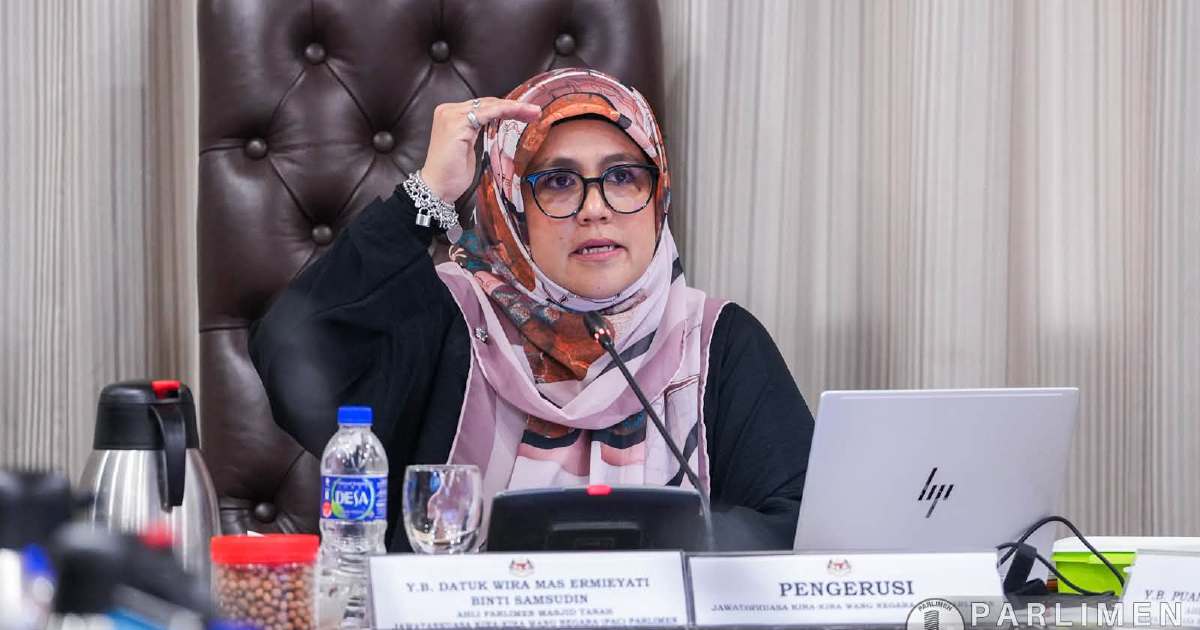
Parliament's Public Accounts Committee has moved to initiate a formal inquiry into systemic governance issues, financial irregularities, and investment performance shortfalls affecting Lembaga Tabung Haji, the statutory body responsible for managing savings of Muslim pilgrims. The decision, reached through unanimous committee agreement in Kuala Lumpur, marks a significant escalation in parliamentary scrutiny of the institution and reflects mounting concerns about operational transparency and stewardship of depositor funds.
The probe represents a critical juncture for TH, which manages savings from millions of Malaysian Muslims preparing for the Hajj pilgrimage. The committee's focus on multiple dimensions—governance frameworks, financial management practices, and investment decisions—suggests legislators have identified concerns spanning institutional structure, accountability mechanisms, and portfolio performance. This comprehensive approach indicates the inquiry will examine not merely isolated incidents but potentially systemic weaknesses in how the organization functions.
Governance failures at large financial institutions carry particular sensitivity in Malaysia, where public confidence in state-linked entities has faced periodic tests. TH's role is especially delicate given its custodial relationship with funds earmarked for one of Islam's central obligations. Any misallocation or poorly managed investments directly affects Muslims' ability to undertake Hajj, making the committee's intervention directly relevant to religious practice and personal finances of ordinary Malaysians.
The financial dimension of this investigation likely encompasses concerns about asset allocation, returns on investment, and whether depositor funds have been deployed prudently. TH has faced criticism in recent years regarding investment performance and the sustainability of returns offered to members. The committee will presumably examine whether investment strategies align with the institution's obligations and whether decision-making processes incorporate adequate risk assessment and independent oversight.
Investment weaknesses cited by the committee suggest potential problems with portfolio diversification, exposure concentration, or decisions that did not adequately protect depositors' interests. In a regional context where Islamic finance and shariah-compliant investments have grown substantially, TH's investment approach requires scrutiny to ensure alignment with both financial prudence and religious compliance. The inquiry may reveal whether governance structures sufficiently separated investment decision-making from political interference or other pressures.
The unanimous nature of the committee's agreement carries weight, indicating cross-party parliamentary consensus on the necessity of investigation. This bipartisan support suggests concerns transcend typical political divisions and reflect genuine institutional anxiety about TH's operational standards. When opposition and government-aligned lawmakers jointly endorse such scrutiny, it typically signals that issues have become too prominent or serious for partisan deflection.
For Malaysian depositors, many of whom have contributed substantially over decades of working life, this investigation addresses fundamental questions about institutional trustworthiness and financial security. The inquiry's outcomes could influence policies governing TH's future structure, management accountability, and investment parameters. Depending on findings, recommendations might encompass governance reforms, enhanced regulatory oversight, executive accountability mechanisms, or restructuring of decision-making bodies.
The regional dimension also merits consideration. Tabung Haji operates as Southeast Asia's largest Islamic pilgrimage fund, making its governance relevant beyond Malaysia. Other Muslim-majority nations in the region and globally monitor how Malaysia manages such institutions, and governance failures could affect perceptions of Malaysian Islamic financial stewardship. Conversely, demonstrated commitment to accountability through rigorous parliamentary investigation could reinforce Malaysia's credentials in Islamic finance governance.
The investigation timing reflects evolving parliamentary activism in scrutinizing government-linked companies. Malaysia's institutional landscape includes numerous statutory bodies managing significant assets, yet parliamentary oversight of these entities has historically been uneven. The PAC's move regarding TH may signal broader expectations for enhanced accountability across such organizations, with implications for how policymakers approach governance frameworks in future.
Stakeholders including TH management, depositors, and Islamic finance observers will watch the inquiry's progression closely. The committee's investigation will likely request documentation, financial records, and testimony from senior officials. The process may reveal tensions between commercial imperatives and social obligations, between investment managers' autonomy and political oversight, and between sophisticated financial strategy and prudent stewardship of ordinary depositors' savings.
Parliamentary inquiries of this magnitude typically require months to complete, involving evidence gathering, analysis, and consultation with relevant stakeholders. The committee's final report will carry significant weight in shaping subsequent policy decisions and potentially triggering reforms. For Malaysian Muslims relying on TH for pilgrimage financing, the outcome of this investigation may determine how confidently they can entrust their savings to the institution going forward.

