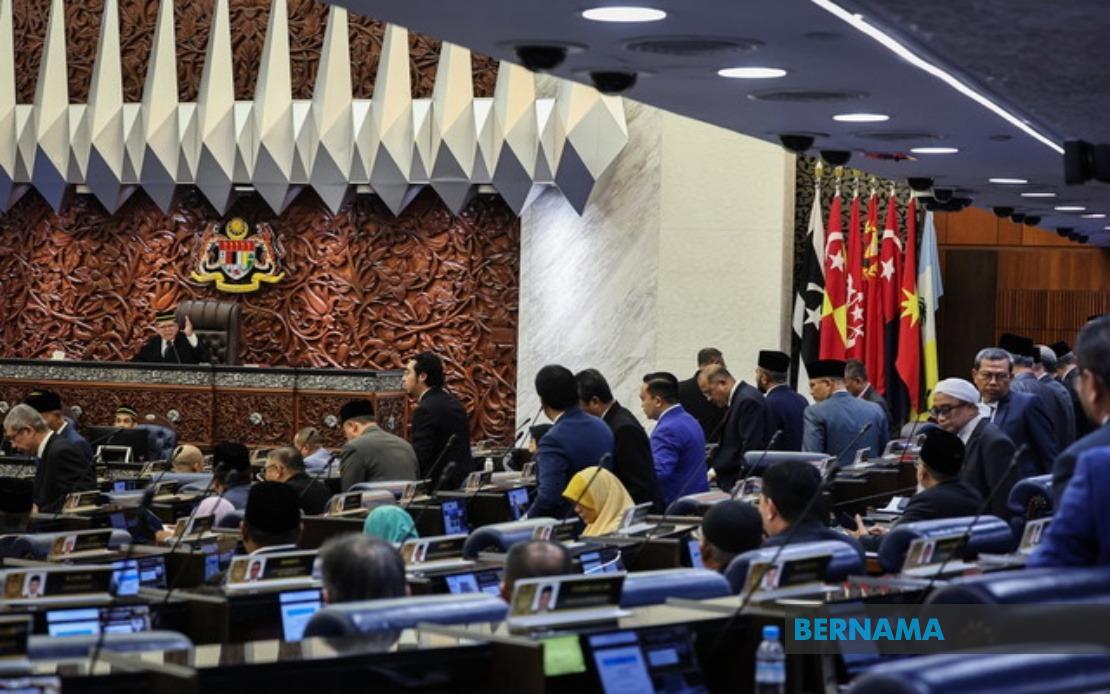
When Perikatan Nasional lawmakers abandoned the Dewan Rakyat chamber during the special sitting on the Tabung Haji Royal Commission of Inquiry report, they left behind a fundamental question about parliamentary accountability and strategy. Opposition Leader Datuk Seri Hamzah Zainudin, PN Chief Whip Datuk Seri Takiyuddin Hassan, and PN chairman Datuk Seri Dr Samsuri Mokhtar departed in protest at Prime Minister Datuk Seri Anwar Ibrahim and Deputy Prime Minister Datuk Seri Fadillah Yusof's absence due to ongoing medical treatment. Yet this dramatic gesture, intended to signal displeasure at the government's approach to a crisis affecting hundreds of thousands of Malaysian pilgrims, may have inadvertently undermined the very cause they claim to champion.
The Tabung Haji controversy represents one of Malaysia's most consequential financial scandals affecting ordinary citizens. After the government released the RCI findings on July 29, parliament convened in special session to debate the report's implications for the religious savings body and its depositors. The presence of senior leadership matters symbolically in such proceedings, signalling the government's commitment to addressing public concern. Takiyuddin's call to adjourn the sitting reflected genuine frustration at this symbolic absence, yet the walkout decision that followed raised uncomfortable questions about competing priorities within the opposition coalition itself.
Professor Sivamurugan Pandian from Universiti Sains Malaysia's School of Social Sciences offered a nuanced critique of the opposition's tactical choice. While acknowledging the legitimate grievance underlying the protest—that a Prime Minister's attendance carries weight in demonstrating governmental seriousness—he argued that departing the chamber conceded valuable ground. The academic pointed out that some opposition MPs chose to remain and participate in debate, suggesting disagreement about the walkout's effectiveness even within PN's ranks. This internal fracture itself communicated weakness to observers monitoring how rigorously parliament would scrutinise the government's stewardship of Tabung Haji funds.
The core strategic problem becomes clearer under examination. Parliamentary debate creates a permanent record. When MPs speak in the Dewan Rakyat, their contributions are officially documented, quoted in media, and available for public scrutiny. They become part of the legislative record that historians, journalists, and voters can reference. A walkout generates headlines for a news cycle, but substantive arguments about financial mismanagement, accountability mechanisms, and depositor protections carry enduring weight. The opposition prioritised immediate attention-grabbing symbolism over the painstaking work of building an undeniable case for reform through formal proceedings.
Prof Sivamurugan further elaborated that remaining in the chamber would have allowed opposition members to deploy more effective tools of parliamentary scrutiny. Detailed questioning, presentation of figures and evidence, and formal proposals for remedial action would have positioned the opposition as serious custodians of depositors' interests. Instead, by departing, they risked creating the narrative that they prioritised political theatre over protecting the savings of ordinary Malaysians. This narrative danger particularly threatens the opposition's credibility when dealing with bread-and-butter financial issues that affect working families and retirees dependent on their Tabung Haji allocations.
The symbolic versus substantive dichotomy deserves deeper exploration given Malaysia's political context. Parliament functions most effectively as an instrument of democratic accountability when opposition parties remain engaged, asking difficult questions and forcing government representatives to provide answers on the record. The principle of checks and balances depends on continuous parliamentary presence and active scrutiny. A walkout, however theatrically satisfying to base supporters, abandons this institutional responsibility. For Malaysian voters concerned about Tabung Haji—and particularly for the predominantly Malay-Muslim depositor community this organisation serves—the absence of opposition voices during this crucial debate represented a lost opportunity to advance their interests.
Prof Sivamurugan acknowledged that the Prime Minister's absence itself carried political meaning. In a functioning parliament, senior leaders attend major debates on significant public issues, especially those involving financial crises affecting vulnerable populations. The government's approach—with both PM and DPM unavailable despite their health treatment being ongoing rather than emergency situations—suggested either scheduling inflexibility or insufficient priority assigned to this parliamentary moment. From the opposition's perspective, this absence warranted comment and protest. However, the lecturer contended that remaining in the chamber and repeatedly raising this point during debate would have been more effective than leaving entirely.
The timing of this walkout occurs within Malaysia's broader political ecosystem, where opposition parties struggle to maintain credibility with constituencies sceptical of their capacity to govern. Perikatan Nasional's decision to abandon the Tabung Haji debate when its core messaging should emphasise protection of ordinary Malaysians' financial interests appears strategically miscalculated. The opposition risks confirmation of a narrative that it prioritises scoring points against the government over substantive policy engagement. In a polarised political environment, such perceptions can erode support among swing voters who might otherwise be persuaded by forceful opposition arguments about government financial mismanagement.
Furthermore, the fragmentation within the opposition bloc itself—with some PN MPs remaining in the chamber—weakens the political signal of the walkout. A unified gesture would at least send an unambiguous message. Instead, the departure of certain opposition figures while others remained suggested uncertainty about the tactic's wisdom. This internal division, visible to journalists and observers, becomes part of the story, creating questions about PN's coherence and strategic thinking. For Malaysian voters evaluating opposition parties, such visible disagreements undermine confidence in their ability to mount sustained, coordinated campaigns for accountability.
The institutional implications extend beyond immediate political theatre. Parliament's legitimacy as a forum for democratic accountability depends on all parties viewing it as the primary arena for substantive debate. When opposition parties abandon sessions to make symbolic gestures, they implicitly signal that parliament itself has limited value compared to publicity management. This corrodes confidence in parliamentary institutions and reinforces perceptions that Malaysian politics operates primarily through media management rather than democratic deliberation. Depositors concerned about Tabung Haji require assurance that their interests will be protected through rigorous parliamentary oversight, not dramatic walkouts that leave substantive questions unanswered on the record.
Prof Sivamurugan's ultimate assessment captured the tension between different forms of political communication. A walkout generates immediate publicity; debate creates lasting records. In systems designed to provide checks and balances, the documented record of arguments proves more durable and valuable than symbolic departures. Opposition members who remained in the chamber and presented evidence, figures, and concrete proposals built a foundation for future accountability and policy reform. Those who departed secured temporary attention but surrendered the best platform for advancing depositors' interests. As Malaysia's Tabung Haji crisis unfolds, the parliament record of who fought hardest through debate—rather than who walked out most dramatically—will ultimately determine historical assessment of which parties prioritised ordinary Malaysians' financial security.

