The decision by opposition lawmakers to walk out of Parliament's debate on the Tabung Haji Royal Commission of Inquiry report has triggered sharp recriminations from fellow legislators across the political spectrum, with critics arguing the boycott represents an abdication of parliamentary duty and a betrayal of millions of ordinary Malaysians whose retirement savings are held by the institution.
The dispute erupted during what was billed as a major parliamentary moment—a detailed ministerial briefing followed by substantive debate on findings covering Tabung Haji's management and operational performance across the 2014-to-2020 period. This eight-year window is particularly significant for depositors, as it encompasses a period of considerable institutional turmoil and financial strain at the Islamic pilgrimage savings body. The withdrawal of opposition MPs, led by senior figures including Opposition Leader Datuk Seri Hamzah Zainuddin, Perikatan Nasional chief whip Datuk Seri Takiyuddin Hassan, and PN chairman Datuk Seri Dr Samsuri Mokhtar, immediately transformed what should have been a sober institutional review into a high-stakes political confrontation.
Muar MP Syed Saddiq Syed Abdul Rahman articulated perhaps the most pointed critique of the boycott, casting the opposition's absence not merely as a tactical misstep but as a fundamental failure to discharge the core function of elected representatives. In his intervention during the debate, Syed Saddiq insisted that parliamentary scrutiny cannot be suspended based on the health status of any individual political figure, however senior. His remarks carried implicit reference to the Prime Minister's recent health circumstances, suggesting that some opposition parties had used this as justification for their withdrawal. Syed Saddiq contended that such reasoning mistakes Parliament itself—a standing body of collective responsibility—with any single office holder, and that allowing personal or factional grievances to override institutional duty represents a dangerous constitutional precedent.
What appeared to particularly animate government and Bersatu lawmakers was the moral dimension of the boycott: the notion that opposition parties were, through their withdrawal, turning their backs on the trust relationship binding them to approximately 10 million Tabung Haji depositors scattered across Malaysia. These depositors, predominantly composed of middle and working-class Malays and Muslims saving specifically for the Hajj pilgrimage, represent one of the most vulnerable constituencies in Malaysian public finance. Their savings are not speculative investments but religiously motivated, long-term commitments rooted in personal aspiration and family sacrifice. The messaging from government and Bersatu figures stressed repeatedly that these millions of ordinary citizens were entitled to witness their elected representatives engaging in thorough, transparent examination of how their money had been managed and safeguarded.
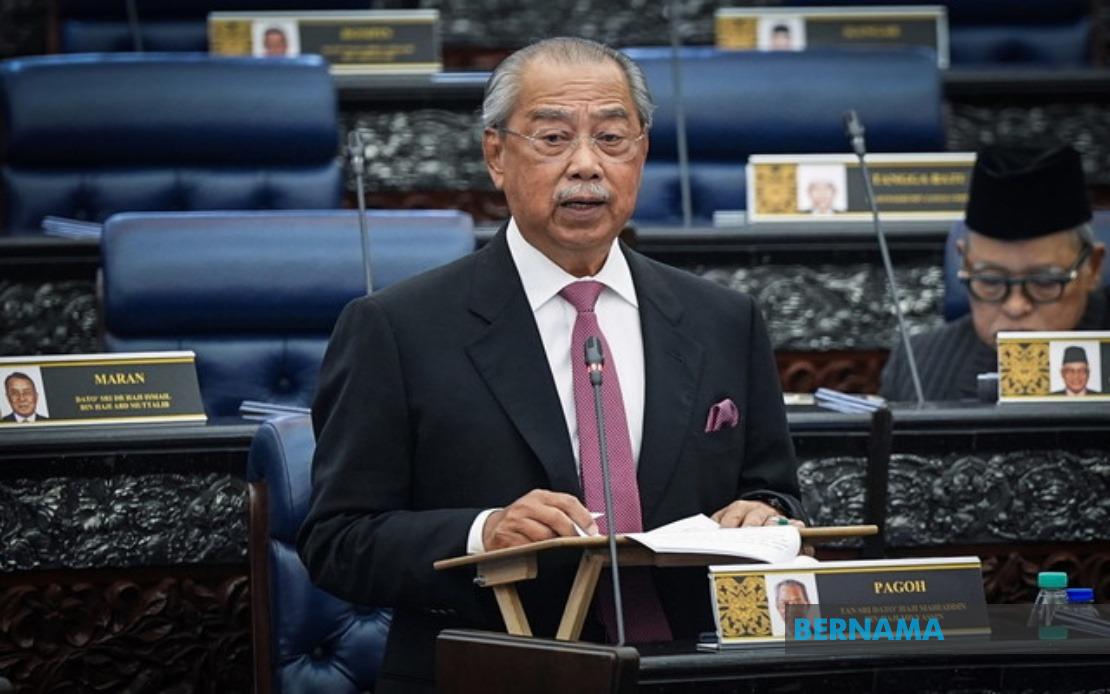
Pageh MP Tan Sri Muhyiddin Yassin used his parliamentary intervention to emphasise the distinction between principled opposition and what he characterised as obstructionism divorced from substantive political concern. By pointedly noting that six Bersatu MPs—members of a political party actively positioned in opposition to the current government—chose nonetheless to participate in the RCI debate, Muhyiddin constructed a counterfactual argument: if parliamentary responsibility could be discharged by genuine opposition MPs, then the wholesale boycott by Perikatan Nasional appeared to reflect not principled objection to the government's handling of the inquiry but rather dismissal of the inquiry's importance itself. This rhetorical move transformed the debate from a binary government-versus-opposition dynamic into a more nuanced conversation about what constitutes responsible opposition politics.
Putrajaya MP Datuk Dr Radzi Jidin reinforced this theme with a more succinct formulation, appealing directly to populist sentiment by asserting that the people required transparency and factual disclosure rather than political theatre. Padang Serai MP Datuk Azman Nasrudin extended the argument further, noting that MPs represent not only their immediate constituents but also bear collective responsibility toward the entire Malaysian electorate and, more specifically, toward the nation's financial sustainability. His framing positioned the Tabung Haji debate as touching on matters of systemic economic integrity that transcend partisan divisions.
Interestingly, the debate also highlighted the pluralistic composition of Parliament itself. Sri Gading MP Aminolhuda Hassan singled out Betong MP Datuk Dr Richard Rapu @ Aman anak Begri for particular commendation, noting that this MP—who is non-Muslim and thus without direct personal stake in Tabung Haji as an institution—nonetheless participated conscientiously in the debate based on fundamental legislative principle rather than sectional interest. This moment underscored a broader argument implicit throughout the parliamentary exchanges: that institutional responsibility transcends religious identity, political affiliation, and personal circumstance.
The opposition to the boycott extended beyond government ranks into civil society and youth activism. Angkatan Muda Keadilan, the youth wing of the Keadilan party, issued a public statement characterizing the walkout as not merely tactically misguided but as substantively irresponsible. This organisation's intervention is particularly significant because Keadilan remains technically within the opposition coalition, yet its youth wing felt compelled to criticise fellow opposition parties for failing to prioritise the concrete interests of millions of depositors. The statement framed the boycott as revealing a troubling political hierarchy in which partisan advantage supersedes institutional transparency and financial accountability, thereby potentially undermining public confidence in the mechanisms supposedly designed to protect ordinary citizens' assets.
The Tabung Haji institutional context lends particular gravity to these parliamentary disagreements. The organisation has faced considerable financial stress in recent years, with depositors experiencing delays in withdrawal processing and mounting anxieties about the security of their life savings. The Royal Commission inquiry was itself a response to widespread public concern about management failures, financial mismanagement allegations, and structural inadequacies in governance oversight. Against this backdrop, a parliamentary debate on the RCI findings represents one of the few formal mechanisms through which public scrutiny, political accountability, and remedial policy discussion can occur. The boycott therefore functioned not merely as a symbolic rejection of the government but as a practical impediment to the democratic oversight process upon which depositor interests ultimately depend.
The broader implications for Malaysian parliamentary democracy and the conventions governing opposition participation remain significant. The incident raises questions about the boundaries of legitimate political protest within legislative chambers, the extent to which partisan positioning should override institutional function, and the mechanisms by which opposition parties should engage with government inquiries and findings that touch on matters of substantial public interest. For Southeast Asian observers monitoring Malaysia's democratic practice, the episode illustrates both the vitality of intra-parliamentary contestation and the occasional tendency toward procedural brinkmanship that can subordinate substantive legislative work to tactical considerations.
The walkout also highlights a persistent tension within Malaysian opposition politics: the balance between demonstrating principled resistance to government through dramatic gestures and maintaining credibility as a potential future government by engaging seriously with matters of institutional stewardship. Government and Bersatu MPs have effectively argued that electoral democracy demands more from opposition parties than theatrical rejection of ministerial initiatives, instead requiring sustained engagement with the substance of public governance even—or especially—when such engagement might implicitly validate government-initiated inquiries or findings.

