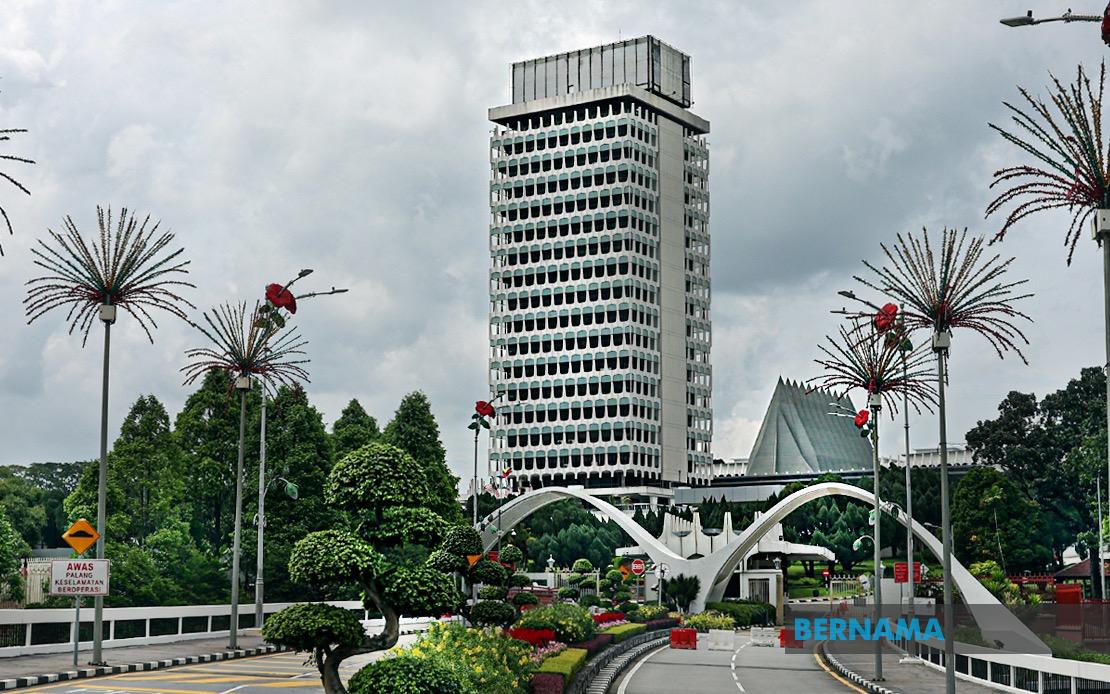
Parliament's agenda for July 7 reflects mounting pressures on multiple fronts affecting Malaysia's economic and democratic landscape. During Minister's Question Time this morning, lawmakers will confront two interconnected challenges that have seized the attention of business leaders and civil society observers: the persistent financing drought facing micro, small and medium enterprises, and the government's capacity to protect media independence in an increasingly complex information environment.
The MSME sector represents a critical backbone of Malaysia's economy, employing millions of workers and contributing substantially to gross domestic product. Yet entrepreneurs increasingly report that traditional lending channels remain inaccessible, with banks enforcing stringent collateral requirements and risk assessments that small operators struggle to meet. Lee Chuan How, representing Ipoh Timor, will direct his question toward Prime Minister Anwar Ibrahim, urging acknowledgment of entrepreneur frustration and requesting clarity on whether the MADANI Government recognises the scope of this crisis. This framing suggests that despite government rhetoric around supporting small businesses, implementation gaps persist between policy announcements and actual credit availability on the ground.
The financing question carries particular urgency because Malaysia's recovery from pandemic-related economic disruption remains uneven. While larger corporations access capital markets and benefit from institutional investor networks, MSMEs dependent on bank lending face diminishing options. Regulatory frameworks designed to manage systemic financial risk often inadvertently exclude smaller operators from credit facilities, pushing entrepreneurs toward informal lending channels or forcing business contraction. For Malaysian readers tracking economic policy, this parliamentary intervention signals recognition within the coalition government that targeted interventions may be necessary to unlock productive investment and employment creation at the grassroots level.
Separately, Ahmad Fadhli Shaari of Pasir Mas will raise concerns about Malaysia's deteriorating performance in international press freedom assessments. The country's drop from 88th to 95th place in the 2026 World Press Freedom Index represents a significant reversal, particularly concerning given the government's stated commitment to democratic values. This decline warrants serious examination, as press freedom correlates with institutional accountability, corporate governance, and investor confidence. International indices tracking media independence influence how foreign observers assess Malaysia's stability and transparency, matters directly relevant to Singapore-based regional investors and multinationals operating across Southeast Asia.
The factors contributing to Malaysia's slipping media freedom ranking likely encompass legislative measures, regulatory enforcement, self-censorship dynamics, and harassment of journalists. While exact causation requires detailed analysis beyond parliamentary questioning, the correlation between declining rankings and specific government actions warrants transparent explanation. Fadhli's question demands that ministers articulate comprehensive strategies to reverse this trend, demonstrating commitment beyond rhetorical endorsement of press freedom principles.
The parliamentary sitting will also examine accessibility for elderly Malaysians through a question from Aminolhuda Hassan regarding a proposed Senior Citizens-Friendly Fund. This inquiry, focused on enabling mosques and suraus to install wheelchair ramps and accessible toilet facilities, reflects broader demographic shifts as Malaysia's population ages. Religious institutions traditionally function as community anchors, and ensuring they remain physically accessible to all worshippers represents both inclusive governance and religious accommodation. The proposal suggests recognition that infrastructure investment in social institutions requires targeted funding mechanisms.
Beyond question time, Parliament's agenda progresses to substantive legislative business. The Dewan Rakyat will debate SUHAKAM's 2024 Annual Report and Financial Statement, providing opportunity for parliamentarians to assess the human rights commission's effectiveness and resource adequacy. Subsequently, lawmakers will continue deliberating the Constitution (Amendment) (No. 2) Bill 2026, which proposes separating the Attorney General and Public Prosecutor functions. This constitutional restructuring carries profound implications for Malaysia's legal system and institutional checks and balances.
The separation of legal prosecution authority from government legal advisory functions addresses longstanding concerns about potential conflicts of interest when a single officer serves dual roles. International best practice suggests that prosecutorial independence strengthens rule of law by insulating prosecutorial decisions from direct executive influence. For Malaysian stakeholders concerned about judicial independence and legal process integrity, this amendment represents an important institutional evolution, though detailed provisions and implementation mechanisms merit careful scrutiny.
Collectively, today's parliamentary business illuminates substantive governance challenges confronting Malaysia. The MSME financing crisis directly affects household economic security and employment prospects across the country. Media freedom rankings influence Malaysia's regional and international standing while signifying democratic health at home. Accessibility provisions reflect inclusive governance principles increasingly expected by citizens and international observers. Constitutional amendments addressing prosecutorial independence strengthen institutional architecture supporting rule of law. These issues, though distinct in technical substance, cluster around common themes: ensuring equitable economic opportunity, protecting democratic institutions, and strengthening governance frameworks that serve all Malaysians equitably.

