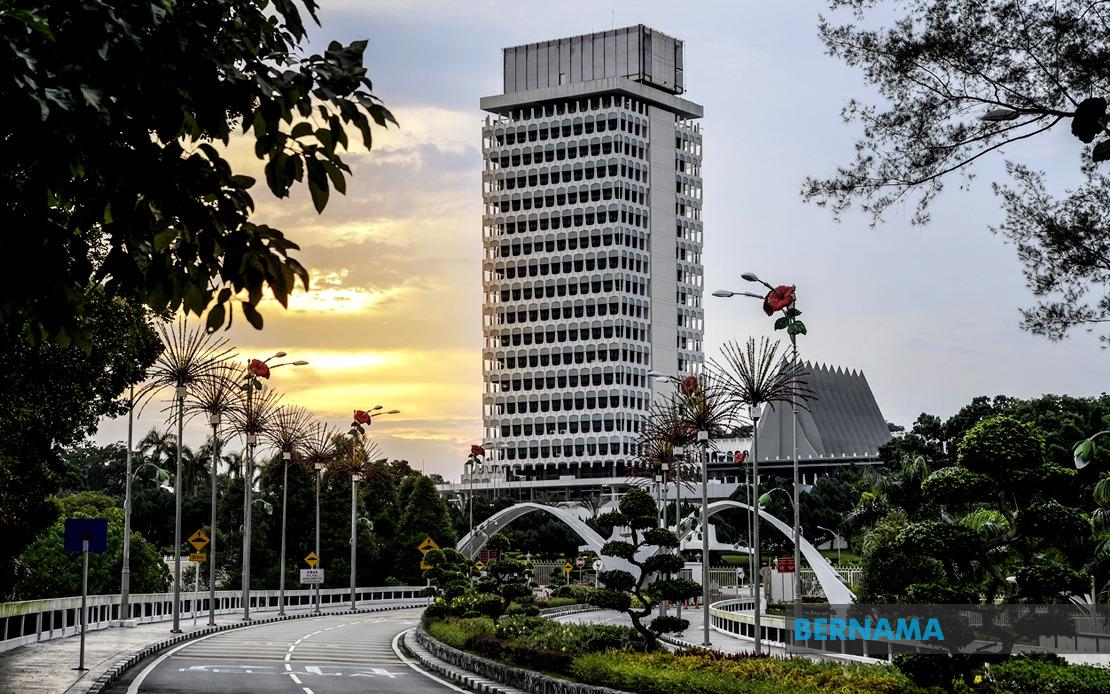
Malaysia's Dewan Rakyat is preparing to tackle some of the nation's most pressing social and economic challenges, with lawmakers scheduled to interrogate government progress on health insurance consumer protection, adequate retirement savings, and the persistent digital divide affecting rural communities. The parliamentary sitting, which commenced on July 6, will run for a full sixteen days and conclude on July 16, providing an extended window for substantive debate on issues that touch the lives of ordinary Malaysians navigating an increasingly expensive cost of living.
Among the most significant matters under scrutiny is the adequacy of health insurance regulation. Tan Kok Wai, the Pakatan Harapan member for Cheras, will direct questions to the Finance Minister regarding protective mechanisms for policyholders, particularly those suffering from critical illnesses and cancer. The focus will centre on preventing arbitrary policy cancellations and unfair claim rejections—issues that have sparked consumer frustration in recent years. Beyond complaint mechanisms, the questioning will probe transparency standards and whether dispute resolution frameworks provide meaningful recourse for aggrieved policyholders. This line of inquiry reflects growing parliamentary and public concern that insurance companies have wielded excessive discretion in denying claims, leaving vulnerable patients without coverage precisely when they need it most.
Parallel to insurance reform, the chamber will examine whether Malaysian workers are accumulating sufficient retirement savings through the Employees Provident Fund system. Datuk Seri Aminuddin Harun from Port Dickson will press the Finance Minister to articulate a coherent national strategy addressing a demographic and financial crisis: as Malaysia's population ages sharply toward 2030, the majority of EPF contributors face retirement with inadequate savings. Rising living costs have eroded purchasing power, making it increasingly difficult for workers to set aside meaningful contributions or to accumulate the compound growth needed for dignified retirement. This question carries particular weight given that many Malaysians are already stretching limited incomes to cover housing, healthcare, and children's education, leaving little margin for voluntary savings.
The parliamentary agenda also reflects concern about rural Malaysia's widening digital and economic gap. Hassan Saad, a Perikatan Nasional representative from Baling, will interrogate the Communications Minister regarding the effectiveness of the National Information Dissemination Centres (NADI) programme. His questioning will examine whether these centres have genuinely improved socio-economic prospects in rural areas or whether they remain ineffectual in addressing the interconnected challenges of internet access, digital literacy, and market engagement capacity. Rural entrepreneurs frequently lack the connectivity and skills to reach broader customer bases, a handicap that metropolitan competitors do not face. Without targeted intervention, this gap risks entrenching rural poverty and limiting opportunities for small-scale agricultural and cottage industries.
Another line of inquiry will assess government subsidy management mechanisms, specifically the Mobile eCOSS application introduced in May 2025. This system was designed to combat diversion and leakage of subsidised cooking oil—a persistent problem that diverts resources intended for households toward smuggling and black-market profiteering. The question will determine whether technological solutions have successfully closed loopholes or whether implementation challenges have limited effectiveness. Cooking oil subsidies represent a significant fiscal commitment, and leakage undermines both the budget and the policy's objective of protecting low-income families from price inflation.
The parliament will also evaluate support schemes for Malaysia's vital micro, small, and medium enterprise sector. Questions will address whether existing financing mechanisms are genuinely accessible to entrepreneurs or whether administrative barriers, collateral requirements, and bureaucratic processes continue to exclude those most in need of capital. MSMEs form the backbone of employment in Malaysia, yet access to affordable financing remains a structural barrier to business growth and formalisation. The effectiveness of these schemes directly influences whether informal sector workers can transition to sustainable formal employment.
Beyond daily Question Time, the Dewan Rakyat will receive a substantive briefing from the Health Select Committee on a comprehensive report examining reform of the National Organ Donation and Transplant System. This represents an opportunity for legislators to understand deficiencies in current arrangements and to consider whether systemic changes could increase donation rates and reduce waiting times for transplant candidates. Organ shortage remains a critical healthcare bottleneck affecting patients with end-stage organ failure.
Parliament will also advance legislative business on competition law. The committee-stage debate and winding-up on the Competition (Amendment) Bill 2026 will continue, followed by the second reading of the Competition Commission (Amendment) Bill 2026. These legislative measures carry implications for how Malaysia's market regulators address monopolistic practices, merger oversight, and consumer protection. Strengthened competition frameworks can enhance market efficiency and protect consumers from price inflation and reduced choice.
The breadth of issues before parliament underscores the interconnected nature of contemporary Malaysian governance challenges. Health insurance reform, retirement adequacy, rural digital access, subsidy management, MSME financing, and competition law represent distinct policy domains, yet they converge around a central concern: whether government systems are genuinely protecting and enabling ordinary Malaysians. The sixteen-day sitting provides a rare extended opportunity for sustained parliamentary scrutiny, allowing for depth of questioning and response that brief sitting days often preclude. How effectively lawmakers exercise this scrutiny will signal whether parliament remains a forum for genuine accountability or merely a forum for procedural formality.

